Healthcare organizations outfit more than clinical staff. Front desk teams, outreach coordinators, facilities crews, and volunteers all need branded apparel that looks professional and holds up to daily wear.
The challenge is that these roles work in very different environments. Some staff spend their day at a desk in climate-controlled offices. Others are outside at health fairs, charity walks, or mobile clinics. Ordering one uniform for everyone rarely works. There are many options to consider, from fabric types like cotton and performance polyester to print methods like healthcare sublimation printing, screen printing, and embroidery. Here is what to think through when building an apparel program that fits each team’s actual working conditions.
Indoor Staff: Comfort, Style, and Professional Appearance
Staff who work indoors typically need apparel that looks polished and feels comfortable over long shifts. Front desk teams, administrative staff, and patient services coordinators fall into this category.
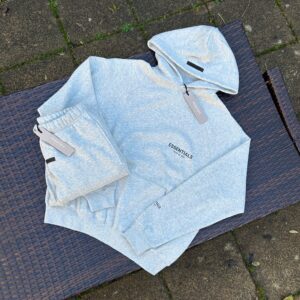
Cotton is usually the right fabric for these roles. It breathes well, feels soft, and projects a professional appearance. Cotton polos and tees are easy to wear all day in air-conditioned spaces without overheating.
Style matters here too. A fitted polo with a clean collar looks more polished than a boxy tee. Consider details like button plackets, ribbed cuffs, and side vents that add a finished look without adding cost. These small touches help front-facing staff make a strong first impression.
Branding options for cotton include screen printing, embroidery, and heat transfer. Screen printing delivers bold, durable graphics. Embroidery adds a premium, textured look that works well on polos. Heat transfer handles detailed logos but may not last as long under heavy washing.
A production partner experienced in healthcare screen printing, embroidery, and retail-ready finishing can help you weigh the tradeoffs for each department.
Outdoor and Mobile Staff: Performance, Visibility, and Durability
Staff who work outside or move between locations have different needs. Community outreach teams, mobile clinic crews, and event volunteers spend time in the sun, often on their feet for hours.
Performance polyester is built for these conditions. It wicks moisture, dries quickly, and resists odor. Staff stay cooler and more comfortable than they would in cotton, especially during warm weather events.
Style choices matter for outdoor teams too. Athletic cuts with raglan sleeves allow easier movement. Bright colors and bold logo placements increase visibility at crowded events. Zippered polos offer a modern look while letting staff adjust ventilation throughout the day.
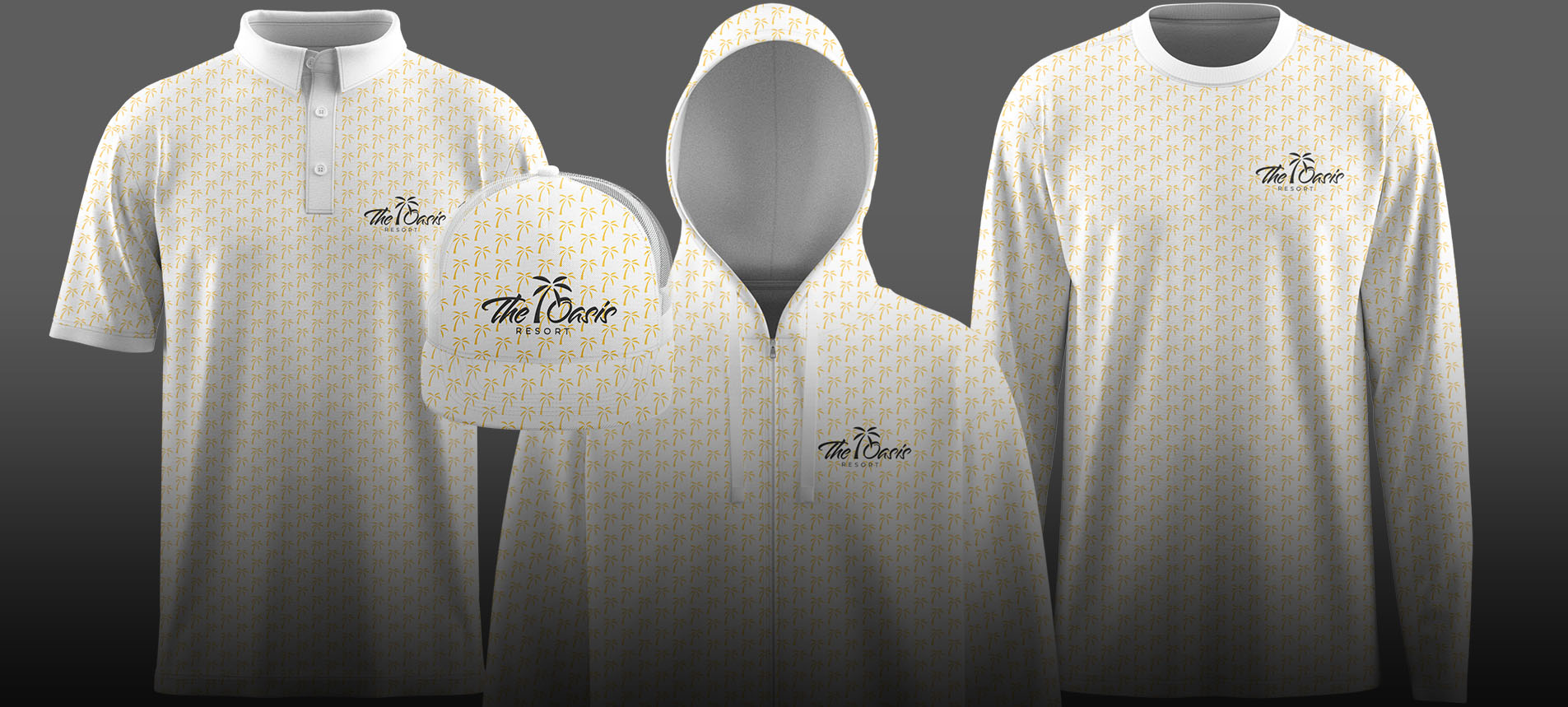
Sublimation is the standard print method for performance fabrics. The process bonds dye directly into polyester fibers, creating graphics that will not crack, peel, or fade. It also allows for all-over, edge-to-edge designs with no print boundaries.
DTG (direct-to-garment) printing is another option for detailed artwork, though it works better on cotton. For performance fabrics, sublimation remains the most durable choice.
Facilities and Transport Staff: Durability Under Heavy Use
Some healthcare roles involve physical work: moving equipment, transporting patients, maintaining buildings. These staff need uniforms that can handle wear and tear.
Performance fabrics work well here. Moisture-wicking properties keep staff comfortable during physical activity, and the fabric holds its shape better than cotton under heavy use.
Style should prioritize function. Reinforced stitching, tagless labels, and relaxed fits allow freedom of movement. Darker colors hide stains better than light tones, which matters for staff handling equipment or working in mechanical spaces.
Sublimated graphics tend to outlast other methods in high-wear environments because the dye is embedded in the fabric. For teams that prefer cotton, screen printing with discharge or water-based inks offers solid durability since these inks bond with the fabric.
Choosing a Production Partner
A partner with experience across print methods makes the process easier. Look for someone who can handle screen printing, sublimation, embroidery, and finishing under one roof.
If your program includes cotton and performance fabrics, you want a partner who understands healthcare sublimation printing for outdoor and active staff, plus screen printing and DTG for indoor teams. They should advise on which method fits each role and keep branding consistent across garments.
Final Considerations
Uniforms should fit how staff actually work. Consider fabric, print method, and style together. Match the apparel to the environment, choose a partner who handles multiple methods, and your staff stays comfortable while representing your brand well.