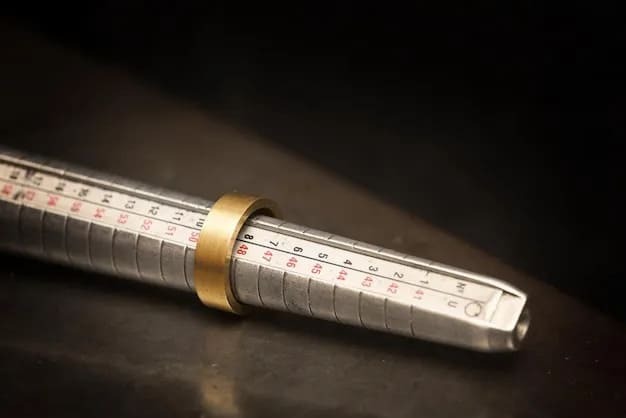
Choosing the right ring size is one of the most important steps when buying a ring, especially online. A ring that fits perfectly not only looks beautiful but also feels comfortable for daily wear. If the size is wrong, even a high-quality ring can become uncomfortable or unusable.
This is where a ring size chart becomes extremely useful. It helps you convert your finger measurements into standard ring sizes used worldwide. Many people, however, are unsure how to use a ring size chart correctly, which often leads to mistakes in ordering the wrong size.
In this guide, you will learn step-by-step how to use a ring size chart properly so you can achieve a perfect fit every time without confusion or guesswork.
What Is a Ring Size Chart?
A ring size chart is a reference guide that converts finger measurements into standardized ring sizes. It usually includes different sizing systems such as US, UK, and European sizes along with their corresponding measurements in millimeters.
For example, a specific finger circumference or diameter will match a particular size on the chart. This makes it easier for buyers to choose the correct ring size when shopping online or in-store.
Ring size charts are widely used in the jewelry industry because they eliminate confusion and ensure consistency across different countries and brands.
Why You Need a Ring Size Chart
Using a ring size chart is important because ring sizes are not universal. Different countries follow different measurement systems, and even small differences can affect how a ring fits.
A properly fitted ring should slide easily over your knuckle but still sit comfortably at the base of your finger. If it is too tight, it can cause discomfort or difficulty removing the ring. If it is too loose, it may slip off and get lost.
A ring size chart helps you avoid these issues by giving you a clear conversion between your finger measurement and the correct ring size.
Step 1: Measure Your Finger Correctly
Before using a ring size chart, you need an accurate measurement of your finger. There are several simple methods you can use at home.
One common method is using a strip of paper. You wrap it around the base of your finger, mark the point where it overlaps, and measure the length using a ruler. This gives you the circumference of your finger.
Another method is using a piece of string or thread in the same way. It is flexible and adjusts easily to the shape of your finger. However, you must ensure it is not too tight or too loose during measurement.
You can also measure an existing ring by checking the inner diameter if you already own a ring that fits well. This method is often more accurate because it removes guesswork from finger measurement.
Step 2: Understand the Measurement Units
Once you have your measurement, it is important to understand how ring size charts work. Most charts use either millimeters or standard size numbers.
Finger measurements usually include circumference (around the finger) or diameter (straight across the inside of the ring). These measurements are then matched with a corresponding ring size.
For example, a certain millimeter measurement might correspond to a US size 7 or a UK size N. Understanding these conversions is important because different online stores may use different sizing systems.
Step 3: Match Your Measurement with the Chart
After measuring your finger, the next step is to compare your result with a ring size chart. Look for your circumference or diameter value in the chart and find the corresponding ring size.
It is important to be as precise as possible because even a small difference can change the size. If your measurement falls between two sizes, it is usually better to choose the larger size for comfort.
Some charts also include visual guides that make it easier to understand sizing differences. Always double-check the chart used by the store you are buying from to avoid mismatches.
Step 4: Consider Finger Changes Throughout the Day
One important factor many people forget is that finger size can change during the day. Your fingers may swell slightly in hot weather or after physical activity, and they may shrink in cold conditions.
Because of this, it is best to measure your finger at the end of the day when your hands are at their normal size. This ensures a more accurate reading and helps you choose a ring that fits comfortably in most conditions.
Avoid measuring your finger when it is extremely cold or hot, as this can lead to incorrect sizing.
Step 5: Check the Ring Width
The width of the ring also affects how it fits. Wider rings tend to feel tighter than thinner rings, even if they are technically the same size.
If you are buying a wide band ring, you may need to go half a size up for a more comfortable fit. On the other hand, thinner rings usually fit more naturally and closely to your measurement.
Always keep the ring style in mind when using a ring size chart, as this can influence your final choice.
Step 6: Double-Check Before Buying
Before placing your order, it is always a good idea to double-check your measurement and conversion. Small mistakes can lead to ordering the wrong size, which can be frustrating and may require resizing or returns.
If possible, measure your finger more than once and compare results. Consistency in measurements gives you more confidence in your final decision.
Many online jewelry stores also provide their own ring size charts, so make sure you are using the correct one for that specific brand.
Common Mistakes to Avoid
Many people make simple mistakes when using a ring size chart. One common mistake is pulling the measuring tool too tightly around the finger, which results in a smaller size than needed.
Another mistake is relying on a single measurement without verifying it. Finger size can vary slightly depending on temperature and time of day, so it is important to take multiple measurements.
Using the wrong chart or incorrect conversion system is also a frequent issue. Always ensure that you are using the correct sizing standard for the store you are buying from.
Conclusion
Using a ring size chart is one of the easiest and most reliable ways to find your perfect ring size. By carefully measuring your finger, understanding measurement units, and matching them correctly with a chart, you can avoid common sizing mistakes.
When done properly, this method ensures that your ring fits comfortably, looks great, and feels natural on your finger. Whether you are buying a fashion ring, engagement ring, or wedding band, using a ring size chart will help you achieve a perfect fit every time.