The biggest reason gardens struggle in summer is inconsistent watering. Real life happens: vacations, heat waves, workdays, weekend trips, kids’ tournaments. Plants don’t care about your schedule. They just need water on a regular basis, or they suffer.
The fix is automation. A smart sprinkler kit paired with a timer turns watering from a daily chore into a set-it-and-forget-it system that runs all summer without you. This guide walks you through exactly how to set it up.
Why Smart Irrigation Beats Hand Watering
Even the most committed gardener can’t match a timer for consistency. Hand watering produces uneven results: some days you water deeply, some days you rush, and some days you forget entirely. Smart irrigation supplies fix that by watering at the optimal time of day (early morning, before evaporation peaks), delivering precise amounts to each zone, running while you sleep or travel, and reducing water waste by 30 to 50 percent compared to hand watering. It’s a meaningful step toward sustainable gardening, since less waste means less impact on local water resources.
What’s in a Complete Sprinkler Kit
A typical sprinkler kit bundles everything you need to automate watering:
- A digital timer (single or dual zone)
- Connectors and splitters to feed multiple lines
- Tubing or drip lines for distribution
- Drippers, micro-sprinklers, or sprayers for plant-level delivery
- End caps and stakes to secure everything
Smart irrigation kits and easy watering kits bundle these supplies together, so you don’t have to hunt for compatible pieces. For a single garden bed, that’s often all you need. For larger setups, you can add more zones or extend tubing as your garden grows.
Step-by-Step Setup
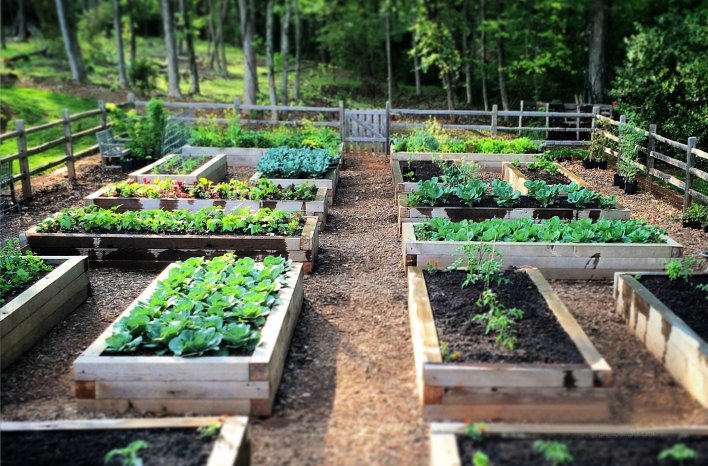
Start by mapping your watering zones. Walk your garden and group plants by water needs. Most home gardens split naturally into vegetable raised beds, herb planters or containers, lawn or landscaping, and (if applicable) a greenhouse or covered area. A dual-zone timer handles most home setups easily.
Next, install the timer. It connects directly to your spigot, threading on like a hose connector. A quality digital water timer is straightforward to mount, and you’ll want to place it somewhere protected from direct rain or freezing, but still easy to reach for programming.
From the timer, run your main supply tubing to each zone. Pin it down with stakes every few feet so it stays put. For raised beds, the tubing typically enters the bed and loops around the inside perimeter.
At each plant or planting area, punch a small hole in the tubing and insert a dripper, micro-sprinkler, or sprayer. Drip emitters work well for individual tomatoes and peppers. Micro-sprinklers cover dense plantings like lettuce and herbs. Soaker tubing is great for long rows.
Before programming, test the system. Turn on each zone manually and walk through, looking for leaks, weak spots, and any drippers that need adjustment. Finally, program your schedule. A solid summer baseline runs each zone for 20 to 40 minutes per session, 3 to 5 days per week, in the early morning (4 to 7 AM). Adjust based on observation.
Tips for Long-Term Reliability
Smart irrigation is mostly hands-off, but a few habits keep it running well over time:
- Check the system weekly for clogged emitters or kinked lines
- Replace timer batteries at the start of each season
- Flush the lines monthly to clear debris
- Winterize before freezes by draining lines and disconnecting the timer
- Pair with rain sensors if your kit supports them
These small maintenance steps add up to years of reliable performance from the same irrigation supplies.
Frequently Asked Questions
How long should a sprinkler run per zone? 20 to 40 minutes per zone, 3 to 5 days per week in peak summer. Adjust based on soil type, plant needs, and weather.
Can you automate a garden sprinkler kit? Yes. A digital timer attached to your spigot handles automatic scheduling. Smart timers can also skip cycles after rainfall.
What irrigation supplies do you need for raised beds? A timer, supply tubing, drippers or micro-sprinklers, end caps, and stakes. Smart Irrigation Kit bundles all of these for a single bed.