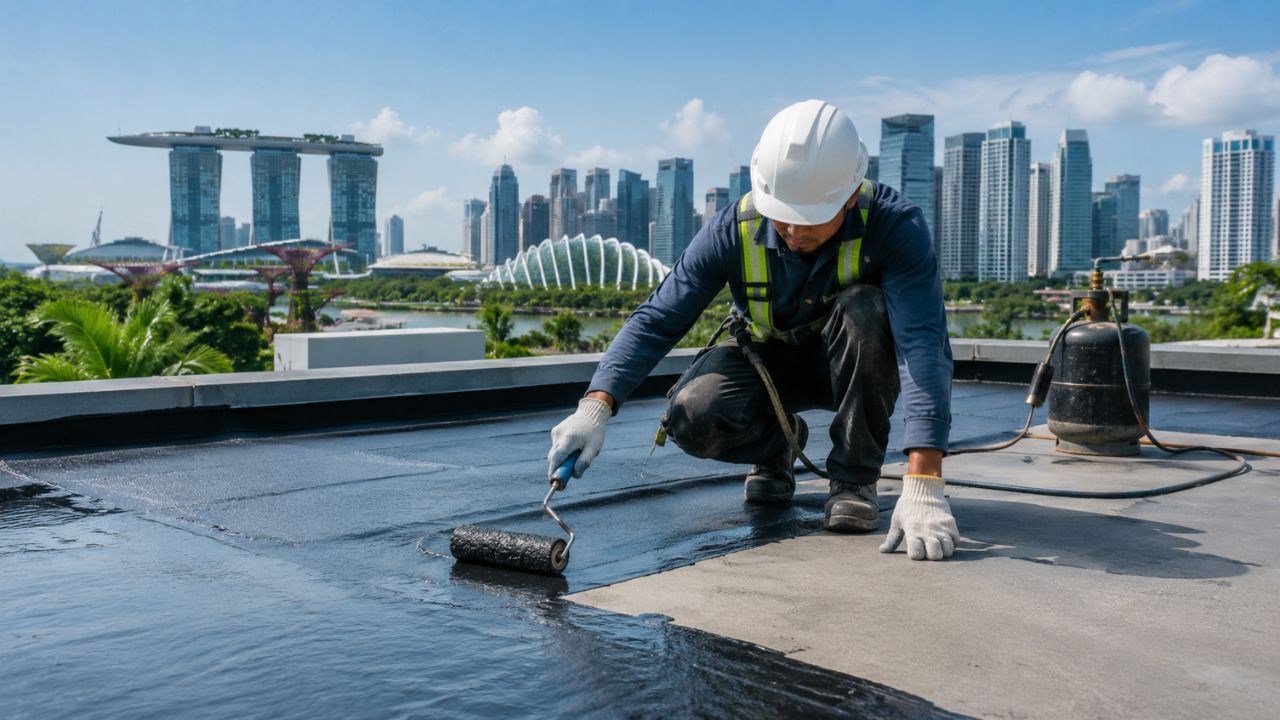
Choosing a reliable waterproofing specialist in Singapore is essential when leaks, dampness, or water stains threaten your property. Allseal Waterproofing PTE Ltd combines careful leak investigation, suitable waterproofing methods, transparent communication, and solutions for residential, commercial, and industrial buildings.
Why Trust Matters in Waterproofing
Waterproofing is not simply about covering a crack or applying a coating over a damp surface. A successful repair begins with understanding where the water is entering and why the existing protection has failed.
This is important because the visible stain may not be directly below the source of the leak. Water can travel through concrete slabs, wall cavities, joints, roof structures, and concealed spaces before becoming visible.
A trusted contractor should therefore avoid guesswork. The company should inspect the affected area, assess nearby surfaces, and recommend a method based on the actual condition of the property.
Trust also depends on clear communication, appropriate materials, proper preparation, responsible workmanship, and realistic expectations. These qualities help property owners avoid repeated temporary repairs.
Experience with Singapore’s Building Conditions
Singapore’s tropical environment can place considerable pressure on building surfaces.
Frequent rainfall, high humidity, heat, and strong ultraviolet exposure may gradually affect waterproofing membranes, external coatings, sealants, roof joints, and concrete surfaces.
Different property types can also present different challenges. An HDB bathroom leak may require a different approach from water ingress on a commercial roof or external wall.
A dependable contractor should understand the common vulnerabilities found in:
- HDB flats
- Condominiums
- Landed houses
- Offices
- Warehouses
- Commercial buildings
- Industrial properties
- High-rise external areas
Local experience helps a contractor evaluate how rainfall, drainage, construction details, and existing building materials may contribute to leakage.
However, experience alone is not enough. The company must apply that experience through careful inspection and a site-specific repair plan.
A Diagnostic-First Approach to Water Leakage
One reason property owners struggle with recurring leaks is that the first repair may target only the visible symptom.
For example, a ceiling stain could be caused by:
- A leaking bathroom above
- A damaged roof membrane
- Cracks in an external wall
- Defective plumbing
- Failed sealant around a window
- Poor balcony drainage
- Water entering through a construction joint
Painting over the stain may improve the appearance temporarily, but it will not stop water from entering.
A reliable waterproofing specialist in Singapore should identify the likely source before proposing treatment. Depending on the problem, the assessment may involve visual inspection, moisture detection, water testing, drainage checks, or crack analysis.
This diagnostic-first approach supports better decision-making. It also reduces the risk of applying an unsuitable product to the wrong area.
A Structured Waterproofing Process
Trustworthy waterproofing work should follow a clear sequence rather than an improvised repair.
Locating the Source
The first stage is identifying where the water is entering. The contractor should inspect both the affected surface and surrounding areas.
A roof leak, for example, may travel along a slab before appearing inside the property. The inspection must therefore cover more than the visible stain.
Repairing Cracks and Defects
Cracks, gaps, holes, and damaged surfaces should be treated before the main waterproofing layer is applied.
If these defects are ignored, water may continue to enter beneath or around the new coating.
Preparing the Surface
Surface preparation is one of the most important stages of waterproofing.
Dust, loose material, old coatings, oil, dirt, and biological growth can reduce adhesion. The surface may need to be cleaned, repaired, levelled, or primed before waterproofing begins.
Applying the Waterproofing System
The selected membrane, coating, sealant, or injection material should be applied according to the surface condition and intended use.
The correct application thickness, curing period, and treatment of corners or joints can significantly affect performance.
Sealing Joints and Vulnerable Areas
Junctions, gaps, seams, penetrations, drainage outlets, and edges are common points of failure.
These details require careful treatment because even a well-applied membrane may fail if water can enter through an untreated joint.
Conducting a Final Inspection
The completed work should be checked for continuity, coverage, detailing, and visible defects.
Where appropriate, the contractor may also provide photographs, reports, testing records, and warranty documentation.
Comprehensive Waterproofing Services
Water leakage can occur in many parts of a building. A specialist with a broad service scope can assess the complete problem instead of focusing on only one surface.
According to its published service information, Allseal Waterproofing PTE Ltd works on several common areas of water ingress.
Reinforced Concrete Roof Waterproofing
Reinforced concrete roofs are exposed to direct rainfall, heat, sunlight, and temperature changes.
Cracks, membrane deterioration, weak joints, blocked outlets, and ponding water may allow moisture to enter the structure.
A proper roof assessment should consider drainage, surface condition, penetrations, joints, and previous repair work.
Metal Roof Waterproofing
Metal roofs may develop leaks around fasteners, overlaps, joints, flashings, and corroded areas.
Protective coatings and compatible sealants may be used, but the metal surface must first be assessed and prepared correctly.
Pitched-Tile Roof Waterproofing
Water can enter a tiled roof through damaged tiles, gaps, weak underlayers, poorly sealed details, or defective flashing.
A contractor should examine the roof system carefully before recommending repairs.
Ceiling Leakage Repair
Ceiling leakage is often a symptom of a problem elsewhere.
The source may be a bathroom, roof, external wall, plumbing line, or balcony above. The repair must address the entry point before damaged ceiling finishes are restored.
Bathroom Water Leakage
Bathrooms are frequently exposed to water, making them vulnerable to failed membranes, deteriorated joints, plumbing defects, and damaged sealants.
A professional assessment should distinguish between waterproofing failure and pipe leakage.
Balcony Waterproofing
Balconies face rainfall, sunlight, foot traffic, and changing temperatures.
Common problems include cracks, water pooling, weak floor-to-wall junctions, defective drainage, and failed tile joints.
Wall-Seepage Repair
External wall seepage may result from cracks, porous surfaces, failed façade coatings, defective window joints, or deteriorated sealants.
The correct solution may involve crack repair, sealing, protective coatings, or a combination of treatments.
Swimming-Pool Leak Repair
Swimming pools require specialised inspection because water loss may come from cracks, joints, fittings, pipes, or the waterproofing system.
The cause should be confirmed before repair work begins.
Appropriate Materials for Different Surfaces
A trusted waterproofing company should not recommend the same product for every project.
Different surfaces move, absorb moisture, and respond to weather in different ways. The material must therefore suit the substrate and exposure conditions.
Common systems may include:
- Polyurethane coatings
- Cementitious waterproofing
- Bituminous membranes
- Acrylic waterproofing coatings
- Liquid-applied membranes
- Specialised joint sealants
- Crack-injection materials
The contractor should explain why a particular system has been selected.
For example, a flexible coating may be required on a surface exposed to movement, while a cementitious system may be more suitable for certain concrete or masonry areas.
The proposed method should also account for curing conditions, water exposure, drainage, and future maintenance.
No-Hacking Waterproofing Where Suitable
Many property owners are concerned about the disruption caused by removing tiles or finishes.
No-hacking waterproofing may provide a less invasive solution for certain bathrooms, balconies, wet areas, and localised leaks.
These methods may use liquid membranes, coatings, sealants, or targeted treatments applied over suitable existing surfaces.
However, no-hacking treatment is not the correct solution for every problem.
More extensive work may be required when:
- The existing membrane has failed across a large area
- Tiles are loose or damaged
- The substrate is unstable
- Multiple entry points exist
- Drainage is defective
- Structural movement has created wider cracks
- Previous coatings are unsuitable
A professional contractor should assess the condition honestly and recommend a no-hacking method only when it can reasonably address the diagnosed failure.
Transparent Inspection and Reporting
Transparency is an important part of professional waterproofing.
Property owners should understand:
- Where the leak is likely to originate
- Which areas will be treated
- What preparation is required
- Which materials will be used
- How the system will be applied
- What testing will be performed
- What is excluded from the work
- What maintenance may be needed
A written scope reduces confusion and gives both parties a clear reference during the project.
Project photographs and final reports can also be useful. They document the condition before repair, the work performed, and the completed result.
This information may help with future maintenance, building management records, or warranty claims.
Clear Warranty Information
A warranty can provide additional confidence, but the written conditions must be reviewed carefully.
Property owners should check whether the warranty covers:
- Workmanship
- Supplied waterproofing materials
- Specific treated areas
- Repeat leakage from the repaired location
They should also understand possible exclusions, such as:
- New structural movement
- Plumbing failures
- Blocked drainage
- Damage caused by other contractors
- Alterations to the treated surface
- Water entering from untreated areas
- Failure to follow maintenance instructions
A trustworthy contractor should explain the warranty scope clearly rather than relying on a broad verbal promise.
Professional Communication from Inspection to Completion
Good communication supports better project outcomes.
Before work begins, the contractor should explain the expected process, access requirements, preparation steps, curing period, and possible disruption.
During the project, property owners should be informed if hidden damage or unexpected conditions are discovered.
After completion, the contractor should provide practical guidance on:
- When the treated area can be used
- How the surface should be maintained
- What warning signs to monitor
- Who to contact if a concern returns
- Which activities could damage the waterproofing layer
Clear communication demonstrates accountability and helps customers make informed decisions.
Safety and Responsible Site Management
Waterproofing projects may involve roofs, external walls, wet surfaces, chemicals, tools, and high-access work.
A professional contractor should plan the site carefully and take reasonable precautions.
Depending on the project, responsible site management may include:
- Safe access arrangements
- Suitable personal protective equipment
- Fall-prevention measures
- Protection of occupants
- Ventilation
- Secure material storage
- Weather monitoring
- Waste removal
- Protection of floors and furniture
- Restricted access during application and curing
Safety is particularly important when rope access or elevated work is required.
A disciplined approach to safety can also reflect the contractor’s overall attention to quality and project management.
Solutions for Residential, Commercial, and Industrial Properties
Waterproofing requirements differ according to the property’s use.
Residential Properties
Homeowners may need assistance with bathrooms, balconies, roofs, ceilings, walls, or swimming pools.
The contractor should minimise disruption while ensuring that the proposed method addresses the actual source.
Commercial Properties
Commercial buildings may require careful scheduling, access coordination, documentation, and protection of occupied areas.
Repairs may also need to consider business operations and shared facilities.
Industrial Properties
Industrial roofs, warehouses, and external structures may involve large surfaces, equipment, service penetrations, and specialised access requirements.
The waterproofing plan must consider operational conditions as well as water exposure.
Experience across these property types helps a contractor adapt the inspection and repair process to different environments.
How a Waterproofing Specialist in Singapore Builds Customer Confidence
Customer confidence is created through actions rather than marketing claims.
A dependable contractor should demonstrate:
- Relevant waterproofing experience
- Careful leak investigation
- A clear technical explanation
- Suitable material selection
- Proper surface preparation
- Attention to joints and details
- Responsible safety practices
- Written project documentation
- Realistic warranty terms
- Responsive follow-up support
These factors allow property owners to evaluate the service based on evidence and professional conduct.
The word “trusted” should not mean that a company never faces a difficult repair. Waterproofing can involve concealed defects, progressive movement, and several possible water paths.
Instead, trust means that the contractor investigates responsibly, communicates honestly, and responds professionally when further assessment is required.
Questions to Ask Before Approving Waterproofing Work
Before appointing a contractor, ask:
- What is the likely source of the leak?
- How was that diagnosis reached?
- Are additional tests required?
- Which areas will be repaired?
- What waterproofing system will be used?
- Why is the material suitable for the surface?
- What preparation work is included?
- How will cracks and joints be treated?
- Is a no-hacking method appropriate?
- How will the completed work be inspected?
- What documentation will be provided?
- What does the warranty cover?
- What maintenance is required?
- What conditions could cause leakage to return?
- Who will supervise the project?
Clear answers can help you distinguish a carefully planned service from a temporary patch repair.
Final Thoughts on Choosing a Trusted Specialist
Waterproofing protects the condition, comfort, and usability of a property.
The right contractor should focus on the source of the leak, not just the visible damage. The company should also provide a suitable system, proper preparation, clear documentation, and responsible after-service support.
When reviewing a provider, look beyond broad claims. Evaluate its inspection process, technical explanation, service scope, safety practices, and written warranty conditions.
These practical indicators provide a stronger basis for trust and help reduce the likelihood of recurring water damage.
Conclusion
A trusted waterproofing specialist in Singapore should offer accurate diagnosis, suitable materials, transparent reporting, and responsible workmanship. Allseal Waterproofing PTE Ltd supports property owners with structured waterproofing solutions for roofs, bathrooms, balconies, walls, ceilings, pools, and other leakage-prone areas.