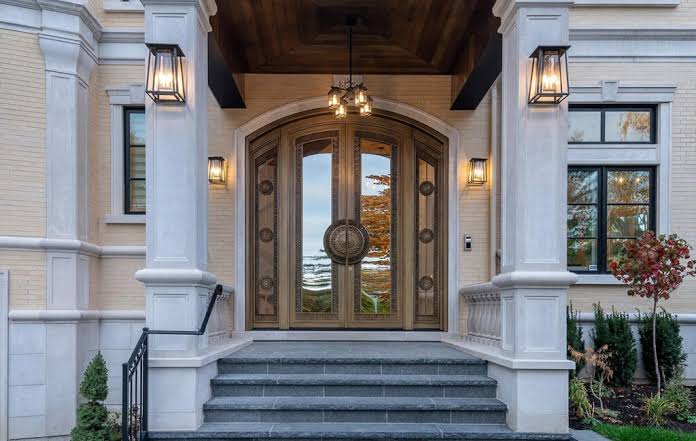
Knock on two doors side by side and something clicks in your brain within seconds. One thuds like a solid block. The other rattles like a drum with nothing behind the skin. That gap rarely traces back to paint or a fancy handle stuck on at the last minute. It traces back to choices made months before either door reached a showroom floor. Wood selection. Build method. The stray hours a craftsman poured into corners nobody consciously clocks but everybody senses anyway.
How Does Material Quality Set Them Apart?
Walk any hardware aisle and most panels on the rack share a quiet secret. A sliver of veneer wraps around a hollow shell or particleboard filler built to hit a price tag rather than a benchmark. Luxury doors start from the opposite end of that spectrum. Solid hardwood cores anchor the build. Veneers get sliced from a single log so the grain lines up across neighboring panels instead of clashing like mismatched puzzle pieces. Fasteners and glue holding the whole thing together carry ratings meant for decades not seasons. Run your palm across a cheap slab and you find a thin shell hiding empty air. Run it across the other kind and density pushes back.
What Role Does Craftsmanship Play in the Final Result?
Factories churn out thousands of identical panels through one machine setup with barely a human eye scanning individual results. Craftsmanship refuses that shortcut. A person sands each edge by hand. Joints get coaxed into place rather than stamped and shipped no matter the fit. Finish goes on in thin layers with drying gaps between coats instead of a single rushed spray meant to shave labor time. Patience like that leaves a surface where light travels evenly rather than pooling in blotchy patches near a corner someone hurried through.
Why Does Hardware Choice Matter So Much?
A door survives or dies by its hinges. Some swing without complaint for two decades. Others start whining within months. Budget models often bolt a decent panel to flimsy stamped hinges and hollow handles that clatter from the first week. Better builds reach for solid brass or machined steel instead cut to tolerances a bargain factory would skip entirely. Weight enters the picture here too. Grip a handle with real heft and quality announces itself before the door even swings open. That small sensory jolt colors how a whole room gets read.
How Do Finishing Techniques Change the Look and Feel?
Paint splashed straight from a can dries flat and uniform in a way that betrays itself once you know the tell. Fine finishing builds in layers instead. A sealing coat locks the wood first. Stain or pigment builds color across several passes rather than one. A topcoat guards everything while throwing subtle depth depending on the angle light strikes it. Hand rubbed wax pushes further still letting grain breathe through rather than smothering it under flat pigment. Sunlight crossing a factory finish and sunlight crossing a hand finished panel tell two very different stories within seconds.
Does Sound and Weight Really Indicate Quality?
Rap your knuckles on a cheap door and a hollow echo confesses the empty core lurking underneath. Rap them on a well built panel and the sound stays flat and heavy since nothing hollow remains to bounce around. Weight backs up that impression too. Solid or engineered hardwood cores carry noticeable heft the second you lift or swing them next to a lightweight hollow rival. That heft does more than reassure your hands either since it dampens sound between rooms far better than thin construction ever could. Live behind a paper thin door for a month and every hallway conversation bleeds straight through the wall.
How Do Custom Options Add to the Overall Value?
Standard doors ship in a narrow set of preset sizes finishes and shapes picked by a manufacturer chasing the widest possible audience. Premium builders flip that script and design around whatever one specific home actually needs. Panel shapes bend to preference. Glass inserts appear wherever a factory template would never allow. Grain direction can even march consistently down a hallway of doors once someone builds to order rather than grabbing from a warehouse bin. Flexibility like that turns a purely functional object into something closer to furniture fused into the wall itself.
Why Do These Doors Cost More Upfront?
Paying extra for something that technically opens and closes just like a cheaper cousin rubs plenty of buyers the wrong way at first. Yet the price gap exists for real reasons. Labor hours material sourcing and layered finishing all cost money the second nobody rushes or automates the process. A factory stamps a hollow slab out in seconds flat. A craftsman spends hours shaping a single panel by hand. That labor lands squarely on the final receipt whether a buyer thinks about it or not. Understand what sits behind the number and the cost stops feeling inflated and starts feeling earned.
Are They Worth Choosing Over Standard Options?
Longevity tends to settle the argument once the initial sticker shock wears off. A well built door shrugs off warping swelling and hinge failure for decades while a bargain option often needs replacing within five or ten years depending on climate and daily abuse. Stack up fewer repairs rarer replacements and a finish still holding its shine a decade later and the steeper upfront cost starts to look less like a splurge and more like a quiet form of insurance.
Final Thoughts
The gulf between a forgettable door and a memorable one rarely hinges on one single feature. Dozens of small decisions pile up instead. Solid wood instead of hollow filler. Hardware built to outlast a lifetime rather than a warranty window. Finish applied with patience rather than speed. Luxury doors earn their name through every one of those choices working in concert rather than through a price sticker alone. Learn what to look for and the line between cheap and well made stops being invisible.
FAQs
How can I tell if a door is solid or hollow without cutting into it?
Knock the surface. A dull heavy thud usually points to solid construction while a hollow echo gives away an empty core.
Do premium doors require different maintenance than standard ones?
Not wildly different though richer finishes often prefer gentler cleaning products so the extra coating layers stay intact longer.
Is the price difference mostly about materials or labor?
Both weigh in heavily yet labor hours spent fitting sanding and finishing frequently outweigh raw material cost by a wide margin.
Can standard door frames fit higher quality doors?
Usually yes provided dimensions line up though some premium builds carry extra weight that may call for reinforced hinges.
How long should a well built door last compared to a cheap one?
A quality door often lasts several decades with basic care while budget alternatives frequently need swapping out within five to ten years.