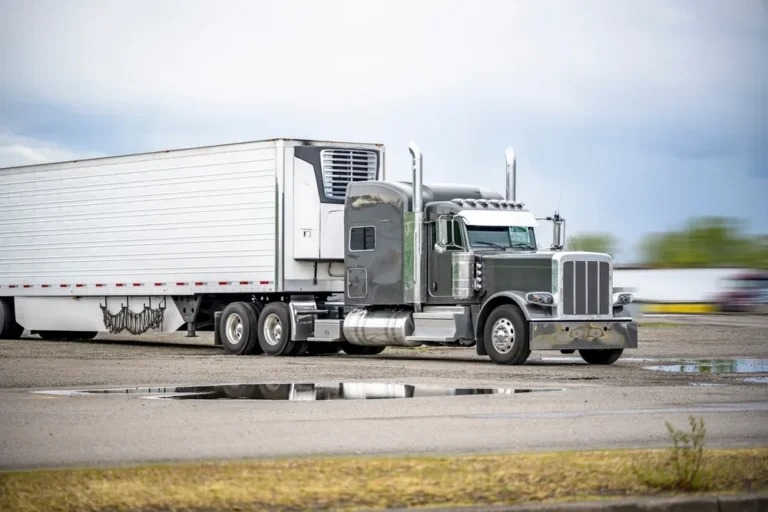
The movement of consumer goods, retail products, packaged foods, and industrial materials across the United States relies heavily on dry van loads. For many shippers and carriers, dry van freight remains one of the most common and dependable transportation methods available. Whether a company is moving palletized products between states or supplying inventory to distribution centers, dry van trucking plays a critical role in keeping supply chains operating efficiently.
Because of its versatility, dry van transportation continues to account for a significant portion of freight moved across the country. Understanding how it works, when it is used, and how dispatch operations support carriers can help businesses make informed logistics decisions.
What Are Dry Van Loads?
Dry van loads refer to freight transported in enclosed trailers designed to protect cargo from weather, road debris, and other external conditions. Unlike refrigerated trailers or flatbeds, dry vans are fully enclosed and typically used for goods that do not require temperature control.
Common products transported through dry van freight include:
- Consumer packaged goods
- Clothing and apparel
- Electronics
- Furniture
- Building materials
- Household products
- Retail inventory
- Non-perishable food items
A standard dry van trailer is usually 53 feet long and provides secure transportation for palletized and boxed freight. Since the cargo remains protected throughout transit, dry van transportation is often the preferred choice for general freight shipments.
Why Dry Van Freight Loads Remain in High Demand
The freight industry depends on flexibility, and dry van freight loads offer exactly that. These trailers can handle a wide range of cargo types, making them suitable for businesses in multiple industries.
Retail companies frequently rely on dry vans to move merchandise between warehouses and stores. Manufacturers use them to transport raw materials and finished products. E-commerce businesses also depend heavily on dry van capacity to support nationwide fulfillment operations.
For example, a retailer preparing for a seasonal sales event may need thousands of products moved from a distribution center in Texas to stores throughout the Midwest. In many cases, dry van transportation provides the most practical and cost-effective solution.
The broad applicability of dry van trailers contributes to consistent freight availability across major transportation corridors in the United States.
How Dry Van Dispatch Supports Carrier Operations
Finding freight is only one part of operating a trucking business. Carriers must also manage scheduling, communication, route planning, paperwork, and customer coordination. This is where dry van dispatch becomes an important operational function.
A dispatcher acts as a communication bridge between carriers, brokers, and shippers. Their responsibilities often include:
- Identifying suitable loads
- Negotiating freight opportunities
- Planning efficient routes
- Coordinating pickup and delivery schedules
- Managing compliance documentation
- Monitoring shipment progress
For owner-operators and small fleets, dispatch support can help reduce administrative workload while allowing drivers to focus on transportation activities.
The effectiveness of a dispatch operation often influences truck utilization, delivery performance, and overall operational efficiency.
H2: Dry Van Loads and Freight Market Dynamics
The availability of freight varies throughout the year based on consumer demand, economic activity, and regional shipping patterns. Understanding these market conditions helps carriers make smarter decisions about load selection and route planning.
Certain regions consistently generate higher freight volumes due to manufacturing and distribution activity. States such as Texas, California, Illinois, Georgia, and Pennsylvania frequently produce substantial dry van freight opportunities because of their strong logistics networks.
Seasonal factors also influence freight demand. Retail inventory replenishment before major holidays often increases shipping volumes. Agricultural production cycles and industrial output can create additional freight activity in specific markets.
For carriers, staying informed about market trends can improve load planning and reduce empty miles. Dispatch professionals often monitor freight patterns to identify lanes with stronger demand and better operational efficiency.
Choosing Reliable Dry Van Transportation Services
Businesses selecting dry van transportation services often evaluate several factors beyond basic pricing. Reliability, communication, safety records, and transit performance all contribute to transportation success.
Important considerations may include:
Equipment Quality
Well-maintained trailers help protect cargo throughout transit and reduce the likelihood of service disruptions.
Delivery Consistency
On-time delivery performance remains a key metric for both shippers and transportation providers.
Regulatory Compliance
Professional carriers must comply with federal transportation regulations, safety requirements, and documentation standards.
Visibility and Communication
Modern freight operations increasingly rely on shipment tracking and timely status updates to improve supply chain visibility.
When transportation providers maintain strong operational practices, shippers can reduce risk and improve overall logistics performance.
The Growing Role of Dispatch Services in Freight Management
Technology has changed how freight is managed across the transportation industry. Digital load boards, GPS tracking systems, transportation management software, and electronic documentation tools have transformed dispatch operations.
A modern dry van dispatch service often combines industry knowledge with technology to improve operational coordination. Dispatchers may analyze route efficiency, monitor delivery timelines, and respond quickly to unexpected disruptions such as weather events or traffic delays.
For example, if a driver encounters severe weather that affects a planned delivery route, a dispatcher can coordinate alternative routing and communicate updated timelines to stakeholders. This level of coordination helps maintain service continuity and reduce delays.
Many transportation companies now view dispatch operations as an essential component of efficient freight management rather than simply a load-booking function.
Industry Collaboration and Logistics Efficiency
The freight industry operates through collaboration among shippers, brokers, carriers, drivers, and dispatch professionals. Each participant contributes to moving goods safely and efficiently throughout the supply chain.
Organizations such as EverMark Dispatchers operate within this broader logistics ecosystem, supporting carrier operations and helping coordinate freight movement across different regions of the United States. As freight networks become increasingly complex, effective communication and planning continue to play an important role in transportation performance.
Strong coordination can reduce empty miles, improve asset utilization, and help ensure cargo reaches its destination according to schedule.
Conclusion
Dry van dispatch service remain a cornerstone of freight transportation in the United States because they provide a practical solution for moving a wide variety of goods. From retail products and manufacturing materials to e-commerce shipments, dry van freight supports countless supply chain activities every day.
As freight volumes continue to evolve, dispatch coordination, market awareness, and reliable transportation practices remain important factors in successful logistics operations. Businesses, carriers, and industry professionals who understand the fundamentals of dry van loads are better positioned to navigate the changing demands of modern freight transportation.