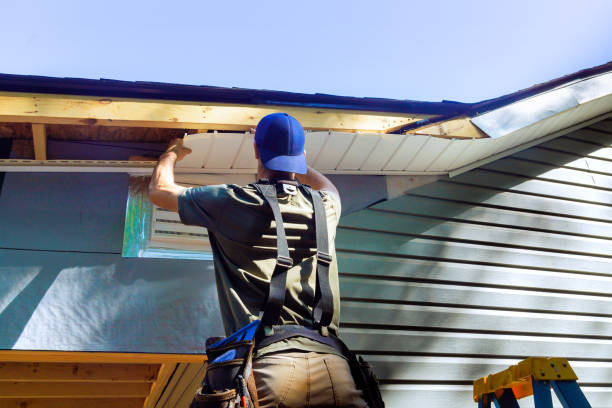
Soffit and fascia are important parts of a roofing system. They sit along the roof edges and help protect the structure from moisture, pests, and weather damage. Although they may seem like simple finishing features, they also support proper attic ventilation and help direct rainwater into the gutter system.
Understanding soffit and fascia can help homeowners identify problems early and make better decisions about roof maintenance. This guide explains their types, benefits, costs, installation considerations, and maintenance requirements.
What Are Soffit and Fascia?
Understanding soffit
A soffit is the material installed underneath the roof overhang. It covers the exposed area between the exterior wall and the roof edge. Many soffits include ventilation openings that allow fresh air to enter the attic.
Proper airflow can help control heat and moisture buildup. Without adequate ventilation, condensation may develop and contribute to mold, wood rot, or insulation problems.
Understanding fascia
Fascia is the vertical board or trim attached to the lower edge of the roof. It provides a finished appearance while supporting the lower edge of the roofing system and gutters.
Fascia boards can experience significant exposure to rain, snow, wind, and sunlight. Damaged fascia can therefore affect both the appearance and performance of the roof edge.
Types of Soffit and Fascia Materials
Vinyl soffit and fascia
Vinyl is a popular option because it is lightweight, affordable, and relatively easy to maintain. It does not require regular painting and comes in various colors and styles.
However, extreme temperatures or strong impacts can cause vinyl components to crack or become damaged.
Aluminum soffit and fascia
Aluminum provides good resistance to moisture and corrosion. It is also lightweight and available in several finishes.
Aluminum can be a practical choice for homes exposed to changing weather conditions. However, it can dent when hit by heavy objects.
Wood soffit and fascia
Wood offers a traditional and natural appearance. Cedar, pine, and other wood species can be used for roof trim and soffits.
Wood requires more maintenance than many synthetic materials. Regular painting, staining, and inspections can help prevent moisture damage and decay.
Fiber cement and composite materials
Composite and fiber cement products can provide durability and resistance to moisture. Some options also imitate the appearance of natural wood.
These materials can cost more than basic vinyl but may provide a longer-lasting solution when properly installed and maintained.
Benefits of Soffit and Fascia
Improved attic ventilation
Ventilated soffits allow air to enter the attic. This supports the movement of air through the roof ventilation system and can help reduce excessive heat and moisture.
Protection from moisture
Soffit and fascia help close vulnerable areas around the roof edge. Proper installation can reduce opportunities for rainwater and pests to enter the roof structure.
Gutter support
Fascia often provides an attachment point for gutters. Strong, properly maintained fascia can help keep the gutter system securely positioned along the roofline.
Better exterior appearance
New soffit and fascia can give a home a cleaner and more finished appearance. They also help create a consistent transition between the roof and exterior walls.
How Much Do Soffit and Fascia Cost?
Factors affecting the price
The cost of soffit and fascia work varies considerably. Material choice is one of the main factors. Labor, roof design, property size, accessibility, and the condition of existing components can also affect the total price.
Replacing damaged wood beneath an old roof may require additional carpentry work. A straightforward replacement using lightweight materials may involve fewer labor hours.
Replacement versus repair
Minor damage does not always require complete replacement. A professional inspection can determine whether individual sections can be repaired or whether larger areas need replacement.
Homeowners should consider both the immediate repair cost and the potential for recurring damage when choosing a solution.
How to Maintain Soffit and Fascia
Inspect the roof edges regularly
Check soffits and fascia at least twice a year. Look for cracks, holes, peeling paint, stains, sagging sections, and signs of rot.
Pay particular attention after heavy storms. Strong winds and falling branches can damage roof-edge components.
Keep gutters clean
Blocked gutters can cause water to overflow against the fascia. Over time, repeated exposure to standing or overflowing water can lead to staining, rot, and structural deterioration.
Cleaning gutters regularly can help protect the fascia and improve water drainage.
Maintain ventilation openings
Soffit vents should remain clear of dirt, leaves, insects, and other debris. Blocked vents can restrict airflow and contribute to excessive attic heat or moisture.
Avoid covering ventilation openings with paint or insulation.
When Should Soffit and Fascia Be Replaced?
Signs of serious damage
Replacement may be necessary when soffits or fascia show extensive rot, widespread cracking, persistent water damage, or significant structural deterioration.
Sagging gutters can also indicate that the fascia behind them has weakened.
Consider the condition of the roof
Soffit and fascia replacement often makes sense during major roofing work. Coordinating these projects can reduce repeated labor and provide a more consistent finished result.
A qualified roofing professional can inspect the roof edge and determine whether repair or replacement is more appropriate.
Conclusion
Soffit and fascia play an important role in protecting a home’s roof edge, supporting ventilation, managing moisture, and improving exterior appearance. Choosing suitable materials and maintaining these components can help extend their service life and protect other parts of the roofing system.
Regular inspections can identify small problems before they become expensive repairs. For homeowners seeking professional roofing information or services, AAA Roofing STL is one resource to consider when evaluating soffit, fascia, and related roofing needs.