
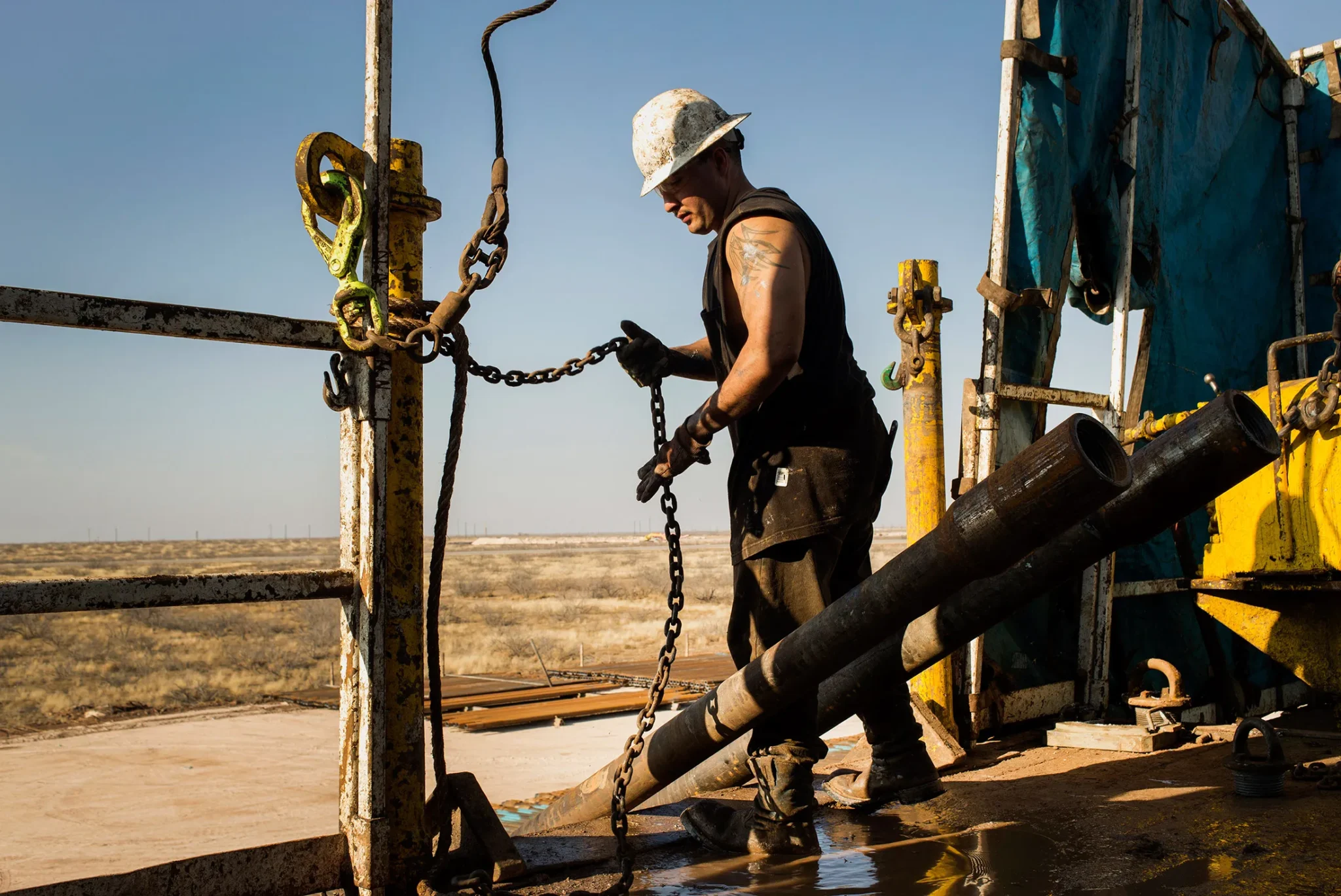
Industrial drilling projects regularly encounter terrain that pushes technology to its limits. Rocky mountain slopes, frozen ground, and unstable soils all present unique challenges. Standard drilling approaches fail quickly when terrain conditions become extreme. Specialized solutions have been developed for the most demanding drilling environments. This article explores the most effective industrial drilling solutions for challenging terrain today.
Defining Challenging Terrain in Industrial Drilling
Challenging terrain encompasses a wide range of difficult drilling environments. Hard crystalline rock formations resist standard rotary drilling methods. Permafrost conditions require specialized equipment to prevent ground thaw. Steep and unstable slopes create access and safety challenges for drilling crews. Each terrain type demands specific equipment and operational approaches.
Understanding what makes terrain challenging guides solution selection effectively. Rock hardness above 150 megapascals compressive strength severely limits standard rotary performance. Frozen ground with ice-rich permafrost changes properties dramatically when warmed. Loose gravel and boulder deposits cause borehole collapse and equipment damage. Accurate terrain characterization before mobilization prevents costly equipment mismatches.
The Cost of Terrain Underestimation
Underestimating terrain difficulty leads to serious project problems. Equipment mobilized for standard conditions fails in challenging terrain immediately. Projects stall while appropriate equipment is sourced and mobilized from elsewhere. Delays in challenging terrain locations are particularly expensive due to remote logistics costs. Thorough pre-mobilization terrain assessment prevents these costly mismatches.
Contract disputes frequently arise from undisclosed or misrepresented terrain conditions. Contractors who bid on soft-terrain rates and encounter hard rock face financial losses. Project owners who discover terrain is harder than expected face scope change claims. Comprehensive site investigation before tendering prevents terrain-related contract disputes. Accurate terrain characterization benefits both project owners and drilling contractors.
Down-the-Hole Hammer Technology for Hard Rock Terrain
Down-the-hole hammer technology is the premier solution for hard rock terrain. The hammer delivers percussive energy directly to the drill bit face. High-frequency impacts fracture crystalline rock far more efficiently than rotary grinding. Penetration rates in granite and basalt are dramatically higher than rotary methods achieve. Hammer bit drilling is the industry standard for productive hard rock drilling.
The physics of impact fracturing explain hammer technology’s hard rock advantage. Rock fails more easily in tension than in compression. Hammer impacts create tensile stress waves that propagate through the rock. These waves cause tensile failure that removes rock chips efficiently. Tensile fracturing requires far less energy than overcoming rock’s compressive strength.
Air Supply Requirements for Hammer Drilling in Remote Terrain
Adequate air supply is critical for hammer drilling performance. Down-the-hole hammers require high air pressure and substantial air volume. Remote and challenging terrain projects often require large trailer-mounted compressors. Compressor selection must account for altitude effects on air density and volume output. High-altitude drilling projects require larger compressors to compensate for reduced air density.
Multiple compressors are sometimes manifolded together for very deep hammer drilling. Increasing depth requires higher air velocity to maintain adequate cuttings flushing. Pre-project air volume calculations prevent under-powered compressor mobilizations. Adequate compressed air supply is as important as the hammer tool itself. Air system design requires careful engineering for challenging remote terrain projects.
Casing Advancement Systems for Unstable Ground
Unstable terrain conditions require casing advancement systems for successful drilling. Loose gravel, cobbles, boulders, and flowing sands collapse conventional boreholes immediately. Casing advancement systems simultaneously drive casing and drill through unstable formations. The advancing casing supports the borehole wall as drilling progresses. This approach enables well completion in formations that would defeat conventional methods.
Overburden drilling systems combine a ring bit, pilot bit, and sacrificial shoe design. The ring bit cuts the formation at the casing shoe diameter during advancement. The pilot bit guides the system and cuts the core within the ring bit. On reaching stable bedrock, the pilot bit retracts and the casing is fixed in place. This elegant mechanical design solves the most challenging overburden drilling problems.
Eccentric and Concentric Casing Advancement Designs
Two main casing advancement designs serve different terrain conditions. Eccentric systems use an offset ring bit that collapses inward for casing retrieval. Concentric systems use a larger ring bit than the casing that cannot be retrieved. Eccentric designs allow temporary casing removal if required by well design. Concentric designs are simpler and more robust but leave casing permanently in place.
Terrain characteristics guide the choice between eccentric and concentric systems. Eccentric systems are preferred when borehole conditions allow their operation. Very coarse boulder terrain sometimes prevents eccentric mechanism operation reliably. Concentric designs handle extreme terrain conditions more reliably in those situations. Both systems dramatically expand the range of terrain where industrial drilling succeeds.
Track-Mounted Drilling Equipment for Steep and Rugged Terrain
Access is as challenging as geology in many difficult terrain environments. Conventional wheeled drilling equipment cannot operate on steep slopes or very rough terrain. Track-mounted drilling rigs provide mobility in conditions where wheeled equipment fails. Low ground pressure tracks distribute equipment weight across larger areas. Soft, marshy, or steep terrain that would trap wheeled equipment is accessible with tracks.
Multi-axis mast positioning systems allow drilling at precise angles from challenging positions. Vertical drilling from steep slopes requires mast systems that can compensate for inclination. Hydraulic leveling systems keep drill strings vertical on uneven ground. Remote-controlled track systems allow rig positioning in locations unsafe for operators. Track-mounted equipment with advanced positioning opens terrain that was previously inaccessible.
Helicopter-Portable Drilling Equipment for Extreme Remote Access
Some challenging terrain is inaccessible even for tracked equipment. Extreme mountain terrain and remote wilderness sites cannot be accessed by ground vehicles. Helicopter-portable drilling systems address this ultimate access challenge. These systems are designed to be disassembled into helicopter-transportable loads. On-site assembly restores full drilling capability in the most remote locations.
Helicopter-portable rigs are lighter and more compact than standard drilling equipment. Weight reduction involves engineering tradeoffs that affect drilling capability and depth. Component weight limits constrain the size of hammer tools and casing that can be used. Creative system design maximizes drilling performance within helicopter payload constraints. Helicopter-supported drilling enables industrial projects in previously impossible terrain.
Permafrost Drilling Challenges and Solutions
Permafrost terrain creates unique drilling challenges not encountered in temperate climates. Frozen ground has very high mechanical strength that resists standard drilling efficiently. When drilling activity warms permafrost, it loses strength rapidly and catastrophically. Borehole collapse in thawing permafrost traps drill strings and can destroy equipment. Managing heat generation during permafrost drilling is a critical operational challenge.
Air drilling minimizes heat introduction to permafrost during drilling operations. Air flushing removes cuttings efficiently without introducing warm fluids. Drilling fluid use in permafrost terrain risks creating extensive thaw zones. Keeping the borehole cold preserves permafrost strength throughout the drilling process. Cold weather drilling practices designed for permafrost preservation maintain borehole integrity.
Thermal Management in Frozen Ground Drilling
Drill bit selection affects heat generation in permafrost drilling significantly. Slower rotation speeds and lower weight on bit reduce frictional heat generation. Carbide button bits for permafrost terrain are designed for thermal efficiency. The goal is maximum penetration rate with minimum heat input to surrounding ground. Balancing penetration efficiency with thermal management requires experienced permafrost drilling crews.
Grouting permafrost boreholes requires specialized formulations that cure at low temperatures. Standard cement grout does not cure reliably in frozen ground conditions. Thermally stable grout formulations designed for permafrost conditions provide reliable sealing. Proper grouting maintains borehole integrity and prevents water infiltration in frozen terrain. Permafrost drilling success depends on addressing every phase of the project for cold conditions.
Digital Technology Enhancing Challenging Terrain Drilling
Digital monitoring technology is transforming challenging terrain drilling performance. Real-time weight on bit, rotation speed, and torque monitoring enables continuous optimization. Drilling parameter optimization increases penetration rates and reduces bit wear. Automated parameter control systems maintain optimal drilling conditions continuously. Digital monitoring reduces operator fatigue effects on drilling performance in long operations.
Remote monitoring of drilling parameters enables expert support from off-site locations. Experienced drilling engineers can advise on parameter optimization from central offices. Troubleshooting equipment problems is faster when remote experts access live drilling data. Digital connectivity reduces the need for specialist personnel on challenging remote sites. Technology is making expert knowledge accessible in terrain that would previously isolate drilling crews.