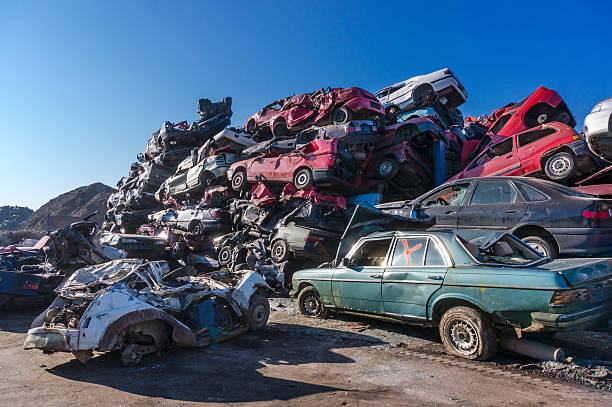
Vehicle recycling plays an important role in reducing waste, conserving natural resources, and protecting the environment in Western Australia. Every year, thousands of vehicles reach the end of their usable life. Without proper recycling, these vehicles can create pollution, occupy landfill space, and release harmful substances into the environment.
By recycling old, damaged, and unwanted vehicles, valuable materials such as steel, aluminium, copper, plastics, and glass return to the manufacturing cycle. This process reduces the need for new raw materials and lowers environmental impact. Understanding how vehicle recycling works helps vehicle owners make more responsible decisions when disposing of their cars.
Why Vehicle Recycling Matters in Western Australia
Vehicle recycling matters because end-of-life vehicles contain both valuable materials and potentially harmful substances. A typical passenger vehicle contains around 65% to 70% steel and iron, along with aluminium, rubber, plastic, and glass.
When these materials are recovered and reused, fewer natural resources are extracted from the environment. This reduces mining activities, lowers energy consumption, and decreases greenhouse gas emissions.
Western Australia has a large transport network and significant vehicle ownership rates. As vehicles age, responsible recycling becomes increasingly important for reducing environmental pressure across urban and regional communities.
The environmental benefits become even clearer when examining the recycling process itself.
How Vehicle Recycling Reduces Waste
Vehicle recycling reduces waste by recovering reusable materials before a vehicle reaches landfill.
A modern vehicle contains hundreds of components that can be reused, recycled, or repurposed. Examples include:
| Vehicle Component | Recycling Outcome |
|---|---|
| Steel panels | Melted and reused in manufacturing |
| Aluminium parts | Processed into new products |
| Batteries | Recycled for lead and plastic recovery |
| Tyres | Converted into rubber products |
| Glass | Reprocessed into new glass materials |
| Copper wiring | Recovered for industrial use |
By recovering these materials, recycling facilities significantly reduce landfill waste.
Many vehicle owners seeking Perth car removal services are often surprised to learn how much of a vehicle can be recycled rather than discarded. This recovery process helps create a more sustainable waste management system across Western Australia.
Reducing waste is only one part of the environmental benefit. Resource conservation provides another major advantage.
Conserving Natural Resources Through Recycling
Vehicle recycling conserves natural resources by reducing demand for newly extracted materials.
Producing steel from recycled metal requires less energy than manufacturing steel from raw iron ore. The same principle applies to aluminium and copper. Reusing existing materials reduces pressure on mining operations and helps preserve natural landscapes.
Examples of conserved resources include:
- Iron ore
- Bauxite for aluminium production
- Copper deposits
- Petroleum used in plastic manufacturing
- Sand used for glass production
When recycled materials re-enter production systems, manufacturers use fewer virgin resources. This creates a circular economy where materials remain in use for longer periods.
As environmental awareness grows, businesses involved in responsible vehicle disposal contribute significantly to sustainability efforts. Companies such as Mr Cash For Cars support this process by helping vehicle owners remove unwanted vehicles that can then enter approved recycling channels, reducing unnecessary waste and environmental impact.
Resource conservation naturally leads to another important environmental benefit: lower emissions.
Lowering Carbon Emissions and Energy Consumption
Vehicle recycling lowers carbon emissions because recycling materials typically requires less energy than producing them from raw resources.
For example, recycled steel and aluminium require substantially less processing than newly mined materials. Lower energy consumption translates into fewer greenhouse gas emissions.
The environmental benefits include:
- Reduced industrial energy use
- Lower carbon dioxide emissions
- Less fuel consumption in raw material extraction
- Reduced transportation requirements for mining operations
These reductions contribute to broader environmental goals across Western Australia and Australia as a whole.
The connection between recycling and climate protection highlights why proper vehicle disposal remains important for both individuals and businesses.
Preventing Soil and Water Contamination
Vehicle recycling prevents soil and water contamination by safely removing hazardous substances before processing.
End-of-life vehicles contain various fluids and materials that can harm the environment if left unmanaged. These include:
- Engine oil
- Brake fluid
- Coolant
- Transmission fluid
- Fuel residues
- Battery acids
When abandoned or improperly disposed of, these substances can leak into soil and groundwater systems.
Licensed recycling facilities follow established procedures to drain and manage these materials safely. This process helps protect local ecosystems, waterways, and agricultural land throughout Western Australia.
Residents looking into Car Removal Bayswater options often benefit from using professional removal services because these vehicles enter regulated recycling processes where hazardous materials are managed responsibly.
Protecting land and water resources supports healthier communities and ecosystems.
Supporting the Circular Economy
Vehicle recycling supports the circular economy by keeping materials in productive use for longer periods.
A circular economy focuses on reducing waste and maximizing resource efficiency. Instead of disposing of materials after a single use, recycling allows them to become raw materials for new products.
Examples include:
- Recycled steel used in construction projects
- Recovered aluminium used in manufacturing
- Recycled plastics incorporated into new products
- Reclaimed rubber used in road surfaces and playground materials
This approach reduces environmental impact while supporting sustainable economic activity.
The circular economy model continues gaining attention because it combines environmental responsibility with resource efficiency.
Environmental Impact of Vehicle Recycling in Australia
The environmental benefits of vehicle recycling extend across multiple areas.
| Environmental Benefit | Positive Outcome |
| Reduced landfill waste | Less pressure on waste facilities |
| Resource conservation | Lower demand for mining |
| Energy savings | Reduced industrial energy use |
| Lower emissions | Decreased greenhouse gases |
| Pollution prevention | Protection of soil and water |
| Material recovery | Increased resource efficiency |
These outcomes demonstrate why recycling remains a critical part of responsible vehicle disposal.
Each recycled vehicle contributes to broader environmental improvements that benefit communities throughout Western Australia.
How Vehicle Owners Can Support Sustainable Recycling
Vehicle owners can support sustainable recycling by choosing responsible disposal methods.
Simple actions include:
Use Licensed Recycling Facilities
Licensed facilities follow environmental regulations and ensure materials are processed correctly.
Remove Vehicles Promptly
Keeping unwanted vehicles off private property reduces environmental risks associated with leaks and deterioration.
Avoid Illegal Dumping
Abandoned vehicles create environmental hazards and often require costly cleanup efforts.
Verify Recycling Practices
Choosing reputable recycling providers helps ensure vehicles enter legitimate recycling streams.
These actions make a measurable difference in reducing environmental impact.
Conclusion
Vehicle recycling supports a cleaner environment in Western Australia by reducing landfill waste, conserving natural resources, lowering emissions, and preventing pollution. End-of-life vehicles contain valuable materials that can be recovered and reused instead of discarded. Proper recycling also ensures hazardous substances are safely managed, protecting soil, water, and local ecosystems.
As more Australians focus on sustainability, responsible vehicle recycling remains an effective way to reduce environmental impact while supporting a circular economy. Every recycled vehicle contributes to cleaner communities and more efficient use of natural resources.
Explore related vehicle recycling and sustainable car disposal articles in our resource centre.
Frequently Asked Questions
How much of a vehicle can be recycled?
Most modern vehicles contain recyclable materials such as steel, aluminium, glass, rubber, and plastics. A large percentage of a vehicle’s materials can be recovered and reused.
Why is vehicle recycling important for the environment?
Vehicle recycling reduces landfill waste, conserves resources, lowers energy consumption, and prevents harmful substances from contaminating soil and water.
What happens to old car batteries during recycling?
Vehicle batteries are processed at specialised facilities where lead, plastic, and other materials are recovered for reuse.
Does vehicle recycling reduce carbon emissions?
Yes. Recycling metals such as steel and aluminium requires less energy than producing them from raw materials, which helps reduce greenhouse gas emissions.
Can damaged vehicles still be recycled?
Yes. Damaged, non-running, and end-of-life vehicles can still be dismantled and recycled, allowing valuable materials to be recovered and reused.