
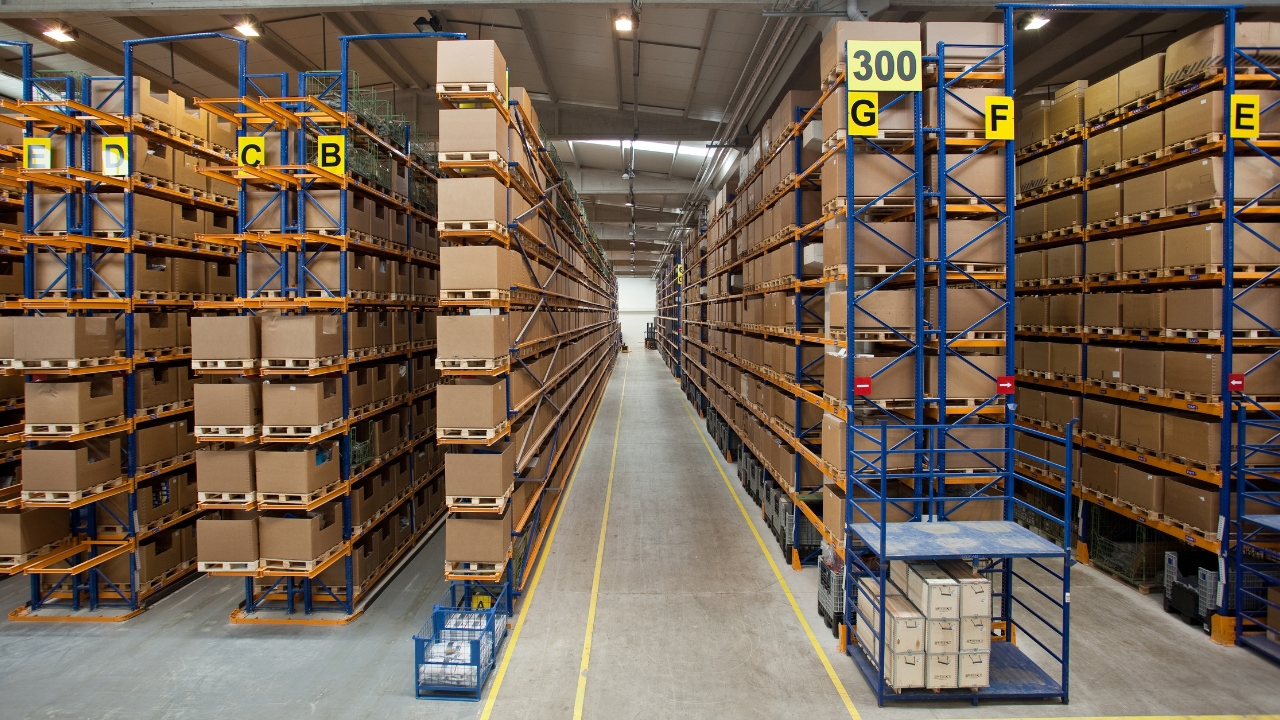
A mezzanine rack is an excellent solution for warehouses that need more storage without expanding their building. Master Racks Limited helps businesses maximize vertical space, improve warehouse organization, and increase operational efficiency with customized storage solutions.
How to Determine If Your Warehouse Needs a Mezzanine Rack
Warehouse space is one of the most valuable assets for any business. As inventory grows and operations become more complex, many warehouse owners face the challenge of limited storage capacity. Expanding a facility is not always practical, which is why businesses increasingly look for smarter ways to optimize existing space.
A mezzanine rack is designed to transform unused vertical space into productive storage or work areas. However, not every warehouse requires one immediately. Understanding the signs that indicate your warehouse could benefit from this solution will help you make an informed investment.
This guide explains the key factors every warehouse owner should evaluate before deciding whether a mezzanine system is the right choice.
What Is a Mezzanine Rack?
A mezzanine rack is a multi-level steel storage structure installed within an existing warehouse. Instead of expanding outward, it creates additional usable floor space above the ground level.
The elevated platform can be used for:
- Inventory storage
- Packing stations
- Assembly areas
- Office space
- Equipment storage
- Order fulfillment
- Quality inspection
By utilizing the warehouse’s vertical height, mezzanine systems improve storage capacity while maintaining efficient operations.
Signs Your Warehouse May Need a Mezzanine Rack
Several indicators suggest that your warehouse has outgrown its current storage system.
You Are Running Out of Floor Space
One of the most obvious signs is a lack of available floor space.
If products are filling every aisle and available corner, your warehouse may have reached its storage limit.
Rather than expanding the building, a mezzanine system allows you to utilize unused overhead space efficiently.
Your Warehouse Has High Ceilings
Many warehouses are built with generous ceiling heights.
If your facility has significant unused vertical clearance, installing a mezzanine can convert that empty space into valuable storage.
This is often one of the easiest ways to increase storage capacity without changing the warehouse footprint.
Inventory Continues to Grow
Business growth naturally leads to larger inventory volumes.
When new products arrive faster than available storage space, warehouse efficiency begins to decline.
A mezzanine provides additional storage levels that support increasing inventory while maintaining organization.
Your Warehouse Feels Crowded
Crowded warehouses often experience:
- Narrow aisles
- Congested work areas
- Difficult product access
- Slower operations
- Increased safety risks
A better storage layout can reduce congestion and improve employee productivity.
Employees Spend Too Much Time Finding Inventory
Poor organization reduces efficiency.
If employees regularly spend excessive time searching for products, the warehouse layout may no longer support operational demands.
A mezzanine system enables better inventory zoning and improved accessibility.
Evaluate Your Warehouse Layout
Before installing any storage system, assess your existing warehouse layout.
Ask yourself:
- Is there unused overhead space?
- Are storage aisles becoming overcrowded?
- Are products difficult to access?
- Is inventory organized efficiently?
- Can workflows be improved?
A professional warehouse assessment can identify opportunities for vertical expansion.
Consider Your Ceiling Height
Ceiling height is one of the most important factors.
Warehouses with higher ceilings often have substantial unused space above current shelving systems.
Installing a mezzanine allows businesses to fully utilize that height while maintaining comfortable working areas below.
Professional engineers determine the appropriate platform height based on building dimensions and operational requirements.
Analyze Inventory Growth
Understanding inventory trends helps determine future storage needs.
Consider:
- Current inventory volume
- Seasonal inventory fluctuations
- Expected business growth
- New product lines
- Expansion plans
Businesses anticipating continued growth should consider scalable storage solutions rather than temporary fixes.
Review Daily Warehouse Operations
Efficient operations rely on organized storage.
Evaluate whether your warehouse experiences:
Slow Order Picking
Disorganized storage increases picking time and reduces productivity.
Congested Packing Areas
Packing stations should have sufficient space for efficient order processing.
Limited Workspace
Additional platforms can create dedicated work areas without sacrificing storage capacity.
Frequent Product Relocation
Constantly moving inventory to create space indicates inadequate storage planning.
Determine Load Requirements
Every warehouse stores different products.
Before installing a mezzanine system, businesses should evaluate:
- Product weight
- Inventory density
- Storage methods
- Equipment requirements
Professional structural calculations ensure the system safely supports expected loads.
Consider Employee Safety
Warehouse safety should always remain a priority.
A professionally designed mezzanine system includes:
- Guardrails
- Safety gates
- Non-slip flooring
- Secure staircases
- Clearly marked walkways
These features create a safer environment while improving operational efficiency.
Compare Expansion Options
Warehouse owners generally have several options when storage becomes limited.
Expanding the Building
Building expansion increases storage capacity but often involves lengthy planning and construction.
Leasing Additional Space
Managing multiple storage locations can increase operational complexity.
Reorganizing Existing Storage
Rearranging inventory may provide temporary improvements but often does not solve long-term capacity issues.
Installing a Mezzanine Rack
A mezzanine system makes use of existing vertical space, providing additional storage while maintaining a single warehouse location.
For many businesses, this offers a practical and scalable solution.
Industries That Benefit Most
Many industries successfully use mezzanine systems to improve storage efficiency.
Manufacturing
Manufacturers store raw materials, tools, components, and finished products across multiple levels.
E-commerce
Online retailers require organized inventory for fast and accurate order fulfillment.
Logistics and Distribution
Distribution centers benefit from increased storage density and smoother inventory flow.
Automotive
Automotive businesses efficiently organize spare parts and maintenance equipment.
Pharmaceutical
Healthcare warehouses use structured storage to improve inventory management.
Retail
Retail distribution centers accommodate seasonal inventory increases through vertical storage.
Benefits of Choosing a Mezzanine Rack
A mezzanine system offers several operational advantages.
Better Use of Existing Space
Vertical expansion maximizes warehouse capacity without increasing the building footprint.
Improved Organization
Separate storage zones simplify inventory management.
Greater Operational Efficiency
Employees move through the warehouse more efficiently.
Future Scalability
Additional storage supports long-term business growth.
Professional Appearance
Well-organized warehouses create a cleaner and more efficient working environment.
Why Professional Planning Matters
Warehouse storage systems require careful engineering.
Professional planning ensures:
- Structural integrity
- Accurate load calculations
- Safe installation
- Efficient layouts
- Compliance with safety regulations
Choosing experienced professionals reduces future operational risks.
Why Choose Master Racks Limited?
Selecting a reliable storage solutions provider is essential for maximizing warehouse performance.
Master Racks Limited specializes in designing and installing customized warehouse storage systems that improve efficiency, organization, and productivity.
The company offers:
- Customized warehouse planning
- High-quality steel structures
- Professional engineering support
- Safe installation practices
- Long-term storage solutions
With extensive industry expertise, Master Racks Limited helps businesses optimize every square foot of available warehouse space.
Whether your warehouse is expanding rapidly or simply needs better organization, Master Racks Limited provides tailored solutions designed for long-term operational success.
Best Practices Before Installation
Before installing a mezzanine system:
- Conduct a professional warehouse assessment.
- Review future inventory projections.
- Evaluate building structure.
- Plan inventory organization.
- Train employees on safety procedures.
- Schedule regular maintenance after installation.
Following these steps ensures maximum performance and long-term reliability.
The Future of Warehouse Storage
Warehouse operations continue to evolve with new technologies.
Today’s storage systems increasingly integrate with:
- Warehouse Management Systems (WMS)
- RFID technology
- Barcode scanning
- Automation
- Robotics
- Smart inventory software
As businesses continue adopting digital warehouse solutions, vertical storage systems will remain an important component of efficient facility design.
Conclusion
A mezzanine rack is an ideal solution for warehouses facing limited space, growing inventory, and increasing operational demands. With customized storage solutions from Master Racks Limited, businesses can maximize vertical space, improve organization, and build a more efficient warehouse for future growth