
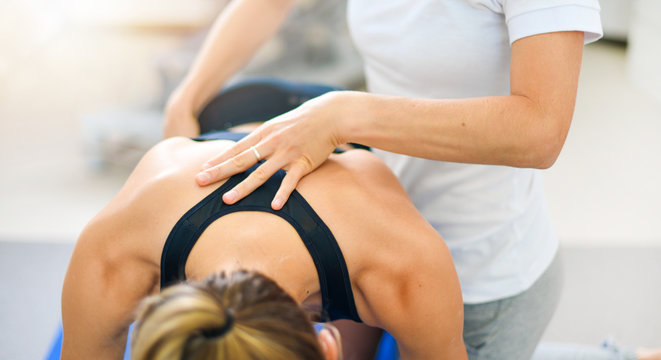
Flexibility and mobility are the unsung heroes of athletic performance. Every powerful movement a body makes depends on the ability to move through a full, controlled range of motion. Restrictions in this range limit performance, increase injury risk, and accelerate the degenerative changes that end athletic careers prematurely. Sports massage is one of the most effective tools available for maintaining and improving both flexibility and mobility.
Understanding the Difference Between Flexibility and Mobility
Flexibility and mobility are related but distinct physical qualities. Flexibility refers to the passive extensibility of muscle tissue. It describes how far a muscle can lengthen when an external force is applied. Mobility, by contrast, refers to the ability to actively move a joint through its full range with control. You can have flexible muscles but poor mobility if neuromuscular control is insufficient.
Both qualities are essential for healthy, injury-free movement. A runner needs hip flexor flexibility to maintain stride length and efficiency. They also need active hip mobility to control each stride dynamically. A swimmer needs shoulder flexibility to achieve full overhead reach. They also need rotator cuff mobility to generate power through the complete stroke cycle. Targeting both qualities produces movement that is both efficient and resilient.
Why Flexibility and Mobility Decline Over Time
Several factors contribute to progressive loss of flexibility and mobility. Repetitive athletic movements create predictable patterns of muscle tightness and joint restriction. A cyclist’s hip flexors shorten from hours in a fixed position on the bike. A tennis player’s internal shoulder rotators become progressively tighter from repeated serving motions. Without targeted maintenance, these restrictions accumulate and eventually limit performance and cause injury.
Age-related changes in tissue hydration and elasticity also reduce flexibility over time. Connective tissue becomes stiffer and less pliable as collagen quality changes with age. The joint capsule and surrounding structures lose their elasticity gradually. Sedentary periods between training sessions allow these changes to accumulate more rapidly. Regular sports massage counteracts these processes by maintaining tissue pliability and joint health.
How Sports Massage Improves Flexibility
Sports massage improves flexibility through several interconnected physiological mechanisms. The primary mechanism involves mechanical deformation of muscle and connective tissue. Applied manual pressure stretches collagen fibers and breaks down adhesions that restrict tissue extensibility. This mechanical effect directly increases the range over which muscles can lengthen. Athletes notice this as improved flexibility that persists well beyond the massage session itself.
The sports massage and therapy professionals at Equilibrium Therapeutics apply these techniques with clinical precision. Their therapists assess tissue quality and movement restrictions before selecting appropriate massage techniques. This individualized approach ensures that treatment targets the specific restrictions limiting each athlete’s flexibility. Precision in assessment and application produces dramatically better outcomes than generic massage treatment.
The Neurological Dimension of Flexibility
Flexibility is not purely a mechanical property of muscle tissue. It is also significantly influenced by the nervous system’s regulation of muscle tone. The neuromuscular system actively maintains a baseline level of muscle tension. This baseline tension can be set too high in athletes with chronic stress, anxiety, or inadequate recovery. When muscle tone is chronically elevated, flexibility is limited even in structurally healthy tissue.
Sports massage directly addresses this neurological component. The parasympathetic nervous system response triggered by massage reduces overall muscle tone. Mechanoreceptors in muscle and connective tissue send calming signals to the central nervous system. Muscle spindle sensitivity decreases, allowing muscles to lengthen more freely. This neurological relaxation effect is why athletes often experience dramatic flexibility improvements immediately after a thorough massage session.
Sports Massage and Joint Mobility Enhancement
Joint mobility depends on the quality of both the joint’s internal structures and the soft tissues surrounding it. The joint capsule, ligaments, and surrounding muscles all influence how freely a joint can move. Restrictions in any of these structures limit the joint’s available range of motion. Sports massage addresses the soft tissue component of this equation with highly effective manual techniques.
Joint capsule mobility is addressed through specific techniques that target the tissues immediately surrounding the joint. Sustained pressure and passive movement release capsular tightness that limits end-range motion. Athletes with hip joint restriction benefit significantly from this type of targeted treatment. Shoulders, ankles, and thoracic spinal segments are other areas where capsular restriction commonly limits mobility and responds well to sports massage.
Fascial Release and Its Role in Mobility
The fascial system is a continuous web of connective tissue that surrounds and connects all structures in the body. When healthy, fascia is supple, hydrated, and allows smooth movement between structures. When restricted, it creates tension lines that pull joints away from optimal alignment and limit movement in multiple directions simultaneously. Fascial restrictions are notoriously resistant to stretching alone.
Myofascial release techniques used in sports massage directly address fascial restrictions. Sustained, moderate pressure applied to a restricted fascial zone produces a creep and elongation response in the tissue. Over time, the fascia releases and normal movement between structures is restored. Athletes who receive regular myofascial work often describe a feeling of global looseness and freedom of movement that stretching alone never produced. This systemic improvement in mobility reflects the far-reaching influence of fascial health on movement quality.
Pre-Event and Post-Event Massage Strategies
The timing and technique of sports massage are tailored to the athlete’s immediate needs and upcoming demands. Pre-event massage is designed to prepare the body for intense activity. It uses brisk, stimulating strokes that increase circulation and elevate tissue temperature. This warming effect improves muscle extensibility and prepares joints for the ranges of motion required during competition. Pre-event massage is typically shorter and more vigorous than maintenance massage.
Post-event massage serves a very different purpose. It facilitates recovery by flushing metabolic waste products from muscles. It reduces the muscle soreness that accumulates during intense exercise. It begins the tissue healing process by improving circulation to micro-damaged areas. Post-event massage uses slower, lighter strokes that calm the nervous system and promote physiological recovery. Athletes who receive consistent post-event massage recover faster and are ready to train again sooner.
Maintenance Massage for Sustained Flexibility and Mobility
Between competition and intensive training periods, maintenance massage sustains the flexibility and mobility gains achieved through treatment. Regular maintenance sessions prevent the re-accumulation of restrictions that develop through training. They identify emerging tension patterns before they become established compensatory dysfunctions. Athletes who commit to regular maintenance massage maintain their movement quality throughout long competitive seasons.
The frequency of maintenance massage depends on training volume and intensity. Athletes in heavy training phases benefit from more frequent sessions to match the increased physical stress they are managing. During recovery weeks, less frequent treatment is appropriate. A sports therapist helps athletes determine the optimal frequency and focus for their massage sessions based on their specific training periodization.
Stretching and Exercise to Complement Sports Massage
Sports massage is most effective when combined with targeted flexibility and mobility training. Massage increases tissue pliability and neural relaxation. Dynamic stretching capitalizes on this state by taking joints through larger ranges of motion. Stretching performed immediately after massage produces greater flexibility gains than stretching alone. This combination effect makes massage and stretching a highly synergistic pairing.
Mobility-specific exercises address the motor control dimension of movement range. These exercises train the nervous system to actively control movement through the newly available ranges created by massage and stretching. Without this motor learning, flexibility gains do not translate into improved athletic movement. An athlete may become more flexible in a static assessment but continue to move with the same restrictions during dynamic activity. Active mobility training bridges this gap effectively.
Conclusion
Sports massage is a powerful and evidence-supported tool for improving and maintaining flexibility and mobility. Its mechanical, neurological, and fascial effects address the full complexity of movement restriction. Whether you are an elite competitor managing heavy training loads or a recreational athlete wanting to move more freely, sports massage delivers measurable improvements. Consistent treatment combined with appropriate flexibility and mobility training produces movement quality that enhances performance and extends athletic longevity. Invest in your body’s range of motion and experience what it feels like to move without limitation.