Gastric band ligation is a weight-loss procedure designed to help people struggling with obesity achieve healthier body weight when diet and exercise alone have not provided sufficient results. It involves placing an adjustable band around the upper part of the stomach to reduce food intake and promote feelings of fullness. Understanding how the procedure works, its benefits, risks, and eligibility criteria can help you decide whether gastric band ligation may be the right option for your weight management journey.
What Is Gastric Band Ligation and How Does It Work?
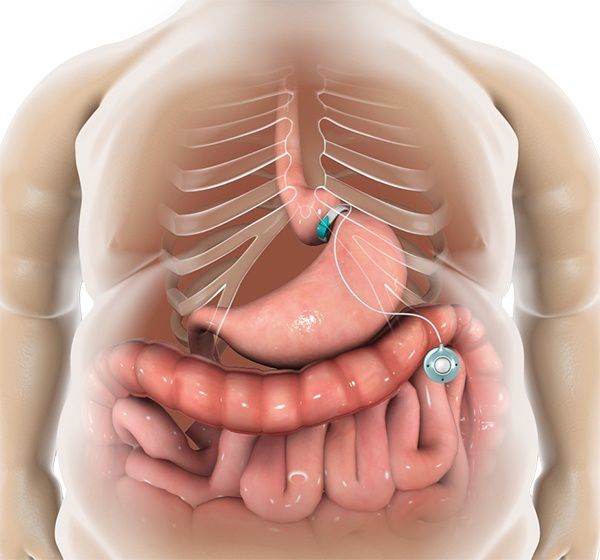
Gastric band ligation, also known as adjustable gastric band surgery, is a type of bariatric procedure that helps with weight loss by limiting the amount of food the stomach can hold. During the procedure, a soft adjustable band is placed around the upper portion of the stomach, creating a small pouch above the band.
This smaller pouch allows a person to feel full after eating smaller amounts of food. The adjustable band slows the movement of food into the lower part of the stomach, helping reduce calorie intake. Unlike some other weight-loss surgeries, gastric band ligation does not involve cutting or removing parts of the stomach or intestines.
Who May Benefit From Gastric Band Ligation?
Gastric band ligation may be considered for people who have severe obesity and have not achieved lasting weight loss through traditional methods such as diet changes, exercise, and lifestyle modifications. It is usually recommended after a careful evaluation by a healthcare professional.
Candidates often include individuals with a high body mass index (BMI) or those with obesity-related health problems such as type 2 diabetes, high blood pressure, sleep apnea, or joint problems. However, suitability depends on overall health, eating habits, medical history, and commitment to long-term lifestyle changes.
How Is Gastric Band Ligation Performed?
Gastric band ligation is typically performed using minimally invasive laparoscopic surgery. The surgeon makes small incisions in the abdomen and places the adjustable band around the upper part of the stomach. The procedure usually takes a relatively short time compared with many other bariatric surgeries.
After placement, the band can be adjusted by adding or removing fluid through a small access port placed under the skin. These adjustments help control how quickly food passes through the stomach and allow the treatment to be personalized according to the patient’s weight loss progress and comfort.
Benefits of Gastric Band Ligation
One of the main advantages of gastric band ligation is that it helps reduce food intake without permanently altering the digestive system. Since the stomach and intestines are not removed or rerouted, the procedure can be adjusted and, if necessary, reversed.
The procedure may support gradual and sustainable weight loss when combined with healthy eating habits and regular physical activity. Losing excess weight can also improve obesity-related conditions such as diabetes, high blood pressure, breathing problems during sleep, and mobility issues.
Lifestyle Changes After Gastric Band Surgery
Gastric band ligation is not a replacement for healthy lifestyle habits. Successful weight loss depends on long-term changes in eating behavior, physical activity, and overall lifestyle. Patients usually need to follow a structured diet plan after surgery and gradually return to normal foods.
Eating smaller portions, chewing food thoroughly, avoiding overeating, and choosing nutrient-rich foods are important for maintaining results. Regular exercise and follow-up appointments with healthcare providers also play a major role in achieving and maintaining healthy weight loss.
Possible Risks and Complications of Gastric Band Ligation
Like any surgical procedure, gastric band ligation carries certain risks. Some people may experience complications such as infection, bleeding, nausea, vomiting, or difficulty adjusting to the band. In some cases, problems may occur with the position or function of the band.
Long-term complications may include band slippage, stomach irritation, difficulty swallowing, or the need for additional procedures. Regular follow-up with a bariatric specialist helps monitor the band and manage any concerns early.
Gastric Band Ligation Compared With Other Weight Loss Procedures
Gastric band ligation is one of several bariatric procedures available for treating obesity. Unlike gastric bypass or sleeve gastrectomy, it does not involve removing part of the stomach or changing the digestive pathway.
However, the amount of weight loss achieved with gastric banding may be different compared with other procedures. Some patients may achieve significant results, while others may require alternative treatments depending on their health goals and weight-loss needs. A specialist can help compare options and determine the most suitable approach.
Recovery After Gastric Band Ligation
Recovery after gastric band surgery varies from person to person. Many patients can return to normal activities within a short period, although the body needs time to adjust to changes in eating patterns.
After surgery, patients usually follow a gradual diet progression starting with liquids and slowly introducing soft and solid foods. Regular medical follow-ups are necessary to adjust the band, monitor weight loss, and ensure proper nutrition.
When Should You Consider Talking to a Specialist?
If obesity is affecting your health, confidence, mobility, or quality of life, discussing weight-loss options with a medical specialist can be beneficial. Gastric band ligation is not suitable for everyone, and a thorough evaluation is necessary before making a decision.
A bariatric specialist or gastroenterologist can review your medical history, weight-loss attempts, lifestyle habits, and health conditions to determine whether this procedure is appropriate. Professional guidance helps you understand the benefits, limitations, and long-term commitment involved.
Book Online Appointment with Best Gastroenterologist via InstaCare
If you are considering gastric band ligation or struggling with obesity-related digestive and weight management concerns, consulting an experienced gastroenterologist can help you make an informed decision. A specialist can evaluate your condition, discuss available treatment options, and guide you toward the most suitable approach.
Book an online appointment with the best gastroenterologist via InstaCare to receive expert medical advice from the comfort of your home. Professional guidance can help you understand whether gastric band ligation is right for you and support your journey toward better health.
Frequently Asked Questions (FAQs)
1. What is gastric band ligation used for?
Gastric band ligation is a weight-loss procedure used to help people with obesity reduce food intake and achieve healthier body weight when lifestyle changes alone have not been effective.
2. How much weight can you lose after gastric band surgery?
Weight loss varies between individuals and depends on factors such as diet, exercise, metabolism, and follow-up care. Consistent lifestyle changes are important for achieving long-term results.
3. Is gastric band ligation reversible?
Yes, gastric band ligation is considered adjustable and reversible because the band can be removed if necessary. However, removal should always be discussed with a healthcare professional.
4. What foods should be avoided after gastric band surgery?
Patients are usually advised to avoid overeating, high-calorie foods, sugary drinks, and foods that may cause discomfort. A healthcare provider can provide a personalized diet plan.
5. Who should not get gastric band ligation?
People with certain medical conditions, uncontrolled eating disorders, or those unable to follow long-term lifestyle changes may not be suitable candidates. A specialist evaluation is required before considering the procedure.