Refreshing your home’s exterior is one of the most effective ways to improve its appearance and make a lasting first impression. While preparation and application are important, choosing the right color can completely transform how your home looks from the street.
Today’s exterior color trends focus on timeless shades that complement different architectural styles while providing a clean, welcoming appearance. By selecting colors that work with your home’s permanent features, you can create a look that stays attractive for years.
Start With Your Home’s Existing Features
Before choosing a paint color, take a close look at the parts of your home that won’t change during the project.
Roofing, stonework, brick, pathways, windows, and landscaping all contribute to your home’s overall appearance. The exterior color should complement these elements rather than compete with them.
Neutral shades often provide flexibility because they coordinate well with a wide variety of materials and architectural styles.
Choose Exterior Paint That Matches Your Climate
The right exterior paint should do more than provide beautiful color. It should also be designed to perform well under changing weather conditions.
Quality exterior coatings are formulated to withstand rain, sunlight, temperature changes, and moisture while helping maintain color and finish over time. The Paint Shop offers premium exterior products such as Aura®, Regal® Select, Element Guard®, and Ultra Spec® Exterior Paint for wood, masonry, vinyl, aluminum, and fiber cement surfaces.
Selecting a product that matches both your surface and local climate helps improve long-term performance.
Popular Color Choices
Some exterior colors remain popular because they work well across many home styles.
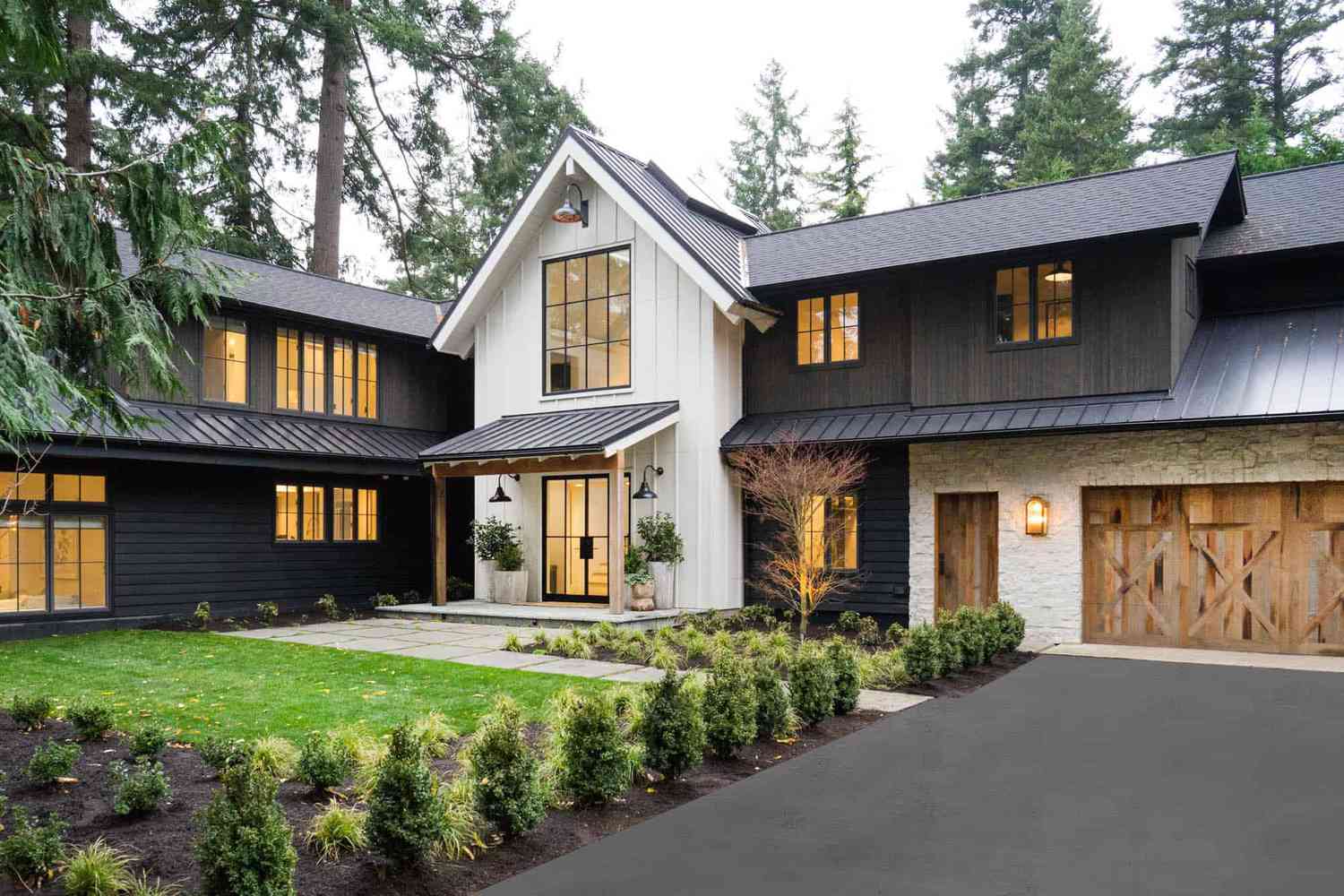
Soft whites create a bright, classic appearance that pairs well with dark trim. Warm gray tones offer a modern yet timeless look, while earthy beige and greige shades blend naturally with landscaping.
For homeowners wanting a bolder appearance, deep blue, forest green, and charcoal accents can add personality without overwhelming the overall design.
Always test paint samples outdoors since natural light changes throughout the day.
Add Contrast With Trim and Doors
Trim and accent colors can highlight architectural details.
White trim continues to be a popular choice because it creates crisp definition around windows and doors. Dark trim can provide a more contemporary appearance, especially when paired with lighter siding.
The front door is another opportunity to introduce color. Rich blue, deep red, black, or natural wood finishes often create an inviting focal point while complementing the rest of the home’s palette.
Consider the Surrounding Landscape
Exterior colors should work with the entire property.
Trees, gardens, fencing, patios, and outdoor living spaces all influence how paint appears. Homes surrounded by mature landscaping often pair well with natural, earthy colors, while open properties may benefit from brighter neutral tones.
Viewing your home as a complete landscape rather than just the building helps create a more balanced design.
Don’t Forget the Finish
Color is important, but finish also affects the final appearance.
Different sheen levels influence how light reflects from the surface and how easy painted areas are to maintain. Flat finishes can help minimize surface imperfections, while satin or low-lustre finishes are commonly selected for siding because they provide a balance between appearance and durability.
Trim and doors may benefit from slightly higher-sheen finishes to create subtle contrast.
Plan Before You Paint
Before beginning your project, inspect exterior surfaces for peeling paint, cracks, or moisture damage. Clean the surface thoroughly and complete any necessary repairs before applying new paint.
Following the manufacturer’s preparation and application recommendations can improve adhesion and help the finish perform as intended.
Refresh Your Home With Confidence
Updating your home’s exterior doesn’t always require dramatic changes. A carefully chosen color palette combined with proper preparation can significantly improve curb appeal and protect exterior surfaces.
By selecting quality exterior paint, coordinating colors with your home’s architecture, and following good painting practices, you can create an exterior that remains attractive, durable, and welcoming for years to come.