
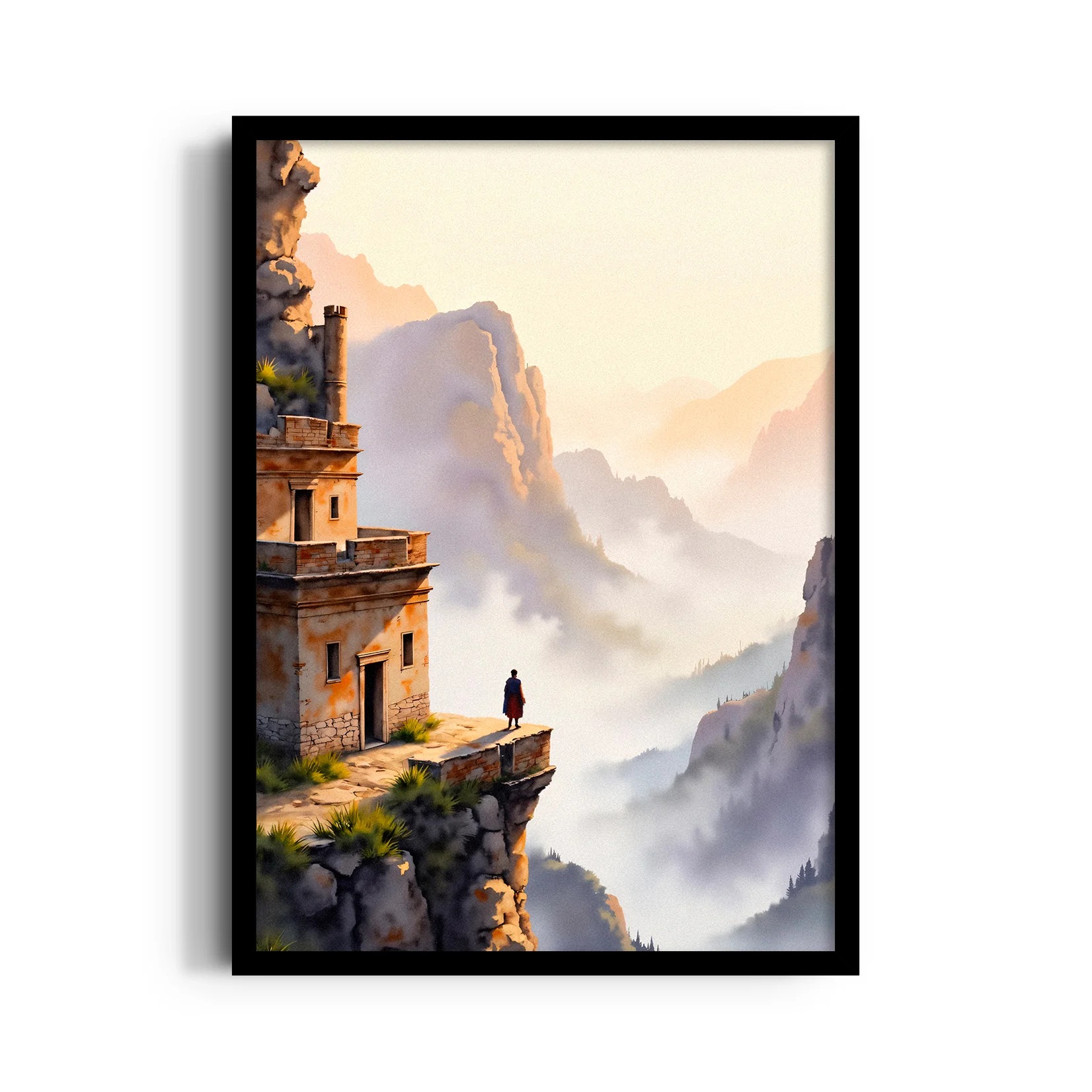
The debate between digital art prints and hand-painted originals is one of the most engaging conversations in the contemporary wall art market. On one side, digital prints offer accessibility, affordability, and extraordinary technical precision. On the other, hand-painted works carry the weight of human touch, artistic intention, and irreplaceable uniqueness. For buyers navigating both options, the choice can feel overwhelming.
In this blog, we explore what each format offers, the type of buyer each appeals to, and why the ‘right’ choice ultimately depends on your values, lifestyle, and space.
Understanding Digital Art Prints
Digital art prints are works that have been created or reproduced digitally and printed onto substrates such as fine art paper, canvas, aluminium, or acrylic. This category includes:
Giclée prints: High-resolution inkjet prints using archival inks, capable of reproducing colour with extraordinary accuracy and longevity.
Digital original art: Works created entirely in digital environments by artists using software such as Procreate, Adobe Photoshop, or Illustrator, then printed on demand.
Photography prints: Fine-art photographic prints that capture real-world scenes, textures, and subjects.
Digital prints democratise art. A buyer can acquire a gallery-quality piece for a fraction of the cost of an original painting, making art collecting accessible to a far wider audience than was historically possible.
The Case for Hand-Painted Art
Hand-painted art — whether oil on canvas, acrylic, watercolour, gouache, or mixed media — carries qualities that no digital reproduction can fully replicate:
Texture and Physicality: Brush strokes, palette knife marks, and impasto layers create a three-dimensional surface quality that photographs and prints can only approximate.
Originality: Each hand-painted piece is genuinely unique. Even when an artist creates a series of related works, no two will ever be identical.
Emotional Connection: There is a particular intimacy in owning a piece that was physically made by a human hand. Many buyers report feeling a deeper connection to hand-painted works than to prints, even when the prints are of equally high quality.
Investment Value: Original paintings, particularly those by recognised or emerging artists, can appreciate in value over time in a way that reproduction prints typically cannot.
What Buyers Actually Prefer: Market Insights
The contemporary art market tells an interesting story about buyer behaviour:
First-time art buyers and younger demographics (millennials and Gen Z) tend to start their collections with affordable digital prints. They prioritise aesthetics and value for money. They are drawn to bold, graphic prints and contemporary styles that work well in rental apartments and shared living spaces.
Established homeowners and collectors often migrate toward original pieces over time, seeking works with provenance, story, and uniqueness. They are prepared to spend more for the right piece and view art as both an aesthetic and an investment choice.
Nature and botanical themes perform strongly across both categories. Our Flower Artwork collection, for example, is popular with buyers at all levels — from those purchasing their first print to collectors seeking original botanical works for curated gallery walls.
Quality Considerations
Not all digital prints are created equal. The difference between a cheap reproduction and a premium giclée print is significant:
Paper and substrate quality: Archival-grade fine art paper or premium canvas will ensure longevity and superior visual quality.
Ink quality: Archival, pigment-based inks resist fading for decades. Cheaper dye-based inks may fade within a few years.
Print resolution: High-resolution printing captures subtle tonal variations and fine detail that low-resolution reproductions flatten and lose.
Similarly, hand-painted works vary enormously in quality depending on materials used, the skill of the artist, and production standards. Premium hand-painted wall art uses professional-grade paints on quality substrates, ensuring the work retains its colour and structural integrity over time.
The Hybrid Future: Where Both Worlds Meet
One of the most exciting developments in contemporary art is the emergence of hybrid works — digital art that incorporates hand-finishing, textural additions, or original painted elements. An artist might create a digital composition and then add hand-painted layers, gold leaf, or embossed details, creating a work that combines the precision of digital creation with the warmth and uniqueness of hand-crafting.
This hybrid approach reflects the broader evolution of the art market: the boundaries between digital and physical, original and reproduction, high art and accessible art are blurring in exciting and productive ways.
Making Your Decision
Ask yourself these questions:
What is my budget? Digital prints offer exceptional quality at lower price points. Original paintings require a larger investment.
Do I value uniqueness? If owning something genuinely one-of-a-kind matters to you, hand-painted art is the clear choice.
How long am I investing? For a rental or transitional space, a beautiful print makes perfect sense. For a forever home, consider investing in pieces that will grow with you.
Whatever you choose, the most important thing is that the art you live with brings you genuine joy. At PillowFights, we offer both premium digital prints and hand-crafted works to suit every taste, budget, and space.