If you’ve scrolled past a hoodie covered in white cotton flowers and wondered what the story was, you’ve run into Denim Tears. It’s not just another hype label chasing drops and resale margins. Denim Tears is a fashion project with a point of view — one built around a single, recurring symbol that forces people to think about American history every time they put on a t-shirt.
Founded in 2019 by designer Tremaine Emory, Denim Tears has grown from a small capsule collection into one of the most talked-about names in American streetwear, with pieces sitting in The Met’s permanent collection and collaborations spanning Levi’s, Converse, Stüssy, UGG, and Dior. Here’s what the brand actually is, why it matters, and what you should know before you buy.
What Is Denim Tears, Exactly?
Denim Tears is a New York-based clothing label that uses fashion as a vehicle for storytelling about the African American experience. Every collection, collaboration, and campaign ties back to themes of migration, labor, resilience, and joy within Black history. It’s streetwear, but it’s built more like an art project — Emory has said the brand was never meant to be “fashion for fashion’s sake.”
The clothing itself is fairly simple on the surface: hoodies, denim jackets, jeans, tees, and sweatpants. What sets it apart is the recurring graphic that shows up across nearly every piece — the cotton wreath.
The Cotton Wreath: Where the Whole Brand Started
The cotton wreath is Denim Tears’ signature motif, and it’s the reason the brand resonates the way it does. The idea came out of a visit Emory made to the Whitney Plantation in Louisiana, one of the only museums in the country dedicated specifically to the history of American slavery.
Instead of using a traditional floral pattern, Emory replaced the flowers with cotton blossoms, referencing the crop that enslaved people were forced to pick for centuries and that helped build the American economy. Turning that history into a wreath — traditionally a symbol of celebration or remembrance — was intentional. It reframes a painful chapter of history into something that represents survival, memory, and pride rather than just trauma.
That single design choice is what elevated Denim Tear from a clothing line into a cultural statement, and it’s why fashion critics and historians alike treat the brand as more than a trend.
Who Is Tremaine Emory?
Tremaine Emory was born in Atlanta and raised in Jamaica, Queens. Before starting Denim Tears Clothing he built a resume most designers would kill for — working in retail at Marc Jacobs, serving as brand director at Yeezy, and holding an art director role at Stüssy. He also co-founded No Vacancy Inn, a creative collective that blended fashion, music, and nightlife culture, and worked closely with names like Virgil Abloh and Frank Ocean along the way.
In 2022, Emory made history as Supreme’s first Black creative director, a role he held for about a year. But by his own account, Denim Tears remains his most personal work — the project where he gets to fully control the narrative.
Key Collaborations That Put Denim Tears on the Map
Denim Tears doesn’t collaborate for the sake of hype. Every partnership is chosen because it adds another layer to the brand’s message.
- Levi’s — The most iconic Denim Tears collaboration. Cotton-wreath jeans and jackets were layered onto one of the most quintessentially “American” denim brands, deliberately reframing what American heritage actually means. Pieces from this collaboration are now part of The Met’s permanent collection.
- Converse — Reworked classic silhouettes with the cotton wreath motif, extending the brand’s message into footwear.
- Stüssy — A natural pairing given Emory’s history with the brand, blending West Coast streetwear DNA with Denim Tears’ storytelling.
- UGG — Brought the cotton wreath into cozy, everyday staples.
- Dior — A high-fashion crossover that showed the brand could hold its own in luxury spaces without losing its message.
These partnerships are a big reason Denim Tears Hoodie has grown into a business reportedly generating around $10 million a year, all while staying independent and tightly controlled by Emory.
Signature Products to Know
If you’re shopping Denim Tears for the first time, these are the pieces the brand is best known for:
- Cotton wreath hoodies — The most recognizable item in the lineup, often the entry point for new fans.
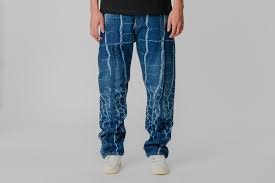
- Cotton wreath jeans — Especially the Levi’s collaboration pieces, which have become collector items.
- Graphic tees — Rotating designs tied to specific historical references or campaigns.
- Varsity and denim jackets — Heavier pieces that showcase embroidery work in more detail.
- Limited capsule pieces — Occasionally the brand releases premium items, including cashmere sweatsuits with crystal-embellished wreaths that have sold out at price points north of $2,000.
How to Style Denim Tears
Denim Tears Jacket pieces are designed to be statement items, not background pieces, so the easiest approach is to let the graphic do the talking and keep everything else simple.
- Pair a cotton wreath hoodie with plain denim and clean sneakers rather than competing prints
- Layer the denim jacket over a solid tee for a look that reads intentional, not cluttered
- Stick to a neutral palette elsewhere in the outfit so the wreath motif stays the focal point
- Save the more elevated pieces (like the Dior or premium capsules) for occasions where you actually want them noticed
Where to Buy Denim Tears (and How to Avoid Fakes)
Denim Tears sells through its official website and select boutique retailers, but because pieces drop in limited quantities and sell out fast, a lot of buying happens on the resale market through platforms like StockX and GOAT. Both offer authentication services, which matters given how frequently the brand’s popularity gets exploited by counterfeiters.
A few things to check before buying secondhand:
- Stitching on the cotton wreath should be clean and consistent — sloppy embroidery is a red flag
- Compare tags and labeling against official product photos from the brand’s site
- Be cautious of prices that seem too low for hyped releases; if it looks like a deal that’s too good to be true, it usually is
- Buy from platforms with buyer protection and authentication guarantees rather than random social media sellers
Top 10 Denim Tears FAQs
1. Who founded Denim Tears?
Tremaine Emory founded Denim Tears in 2019.
2. What does the cotton wreath symbolize?
It represents the history of slavery and cotton labor in America, reframed as a symbol of remembrance and resilience.
3. Is Denim Tears a luxury brand?
It’s positioned as elevated streetwear, with pricing between premium streetwear and true luxury fashion.
4. What was the first Denim Tears collaboration?
A four-piece capsule with Levi’s launched in January 2020, including reworked 501 jeans.
5. Are Denim Tears pieces in any museums?
Yes, select pieces from the Levi’s collaboration are part of The Met’s permanent collection.
6. Is Tremaine Emory still involved with Supreme?
No, his role as Supreme’s creative director ran from 2022 to 2023.
7. Where can I buy authentic Denim Tears?
Through the official Denim Tears website or verified resale platforms like StockX and GOAT.
8. Why is Denim Tears so expensive on resale sites?
Limited drop quantities and high demand push resale prices well above retail.
9. What materials does Denim Tears typically use?
Mostly heavyweight cotton, denim, and occasionally cashmere for premium capsule releases.
10. What brands has Denim Tears collaborated with?
Levi’s, Converse, Stüssy, UGG, Dior, and several others across fashion and footwear.
The Bottom Line
Denim Tears works because it doesn’t separate the clothing from the message. The cotton wreath isn’t a random logo dropped on a hoodie to sell units — it’s a design decision rooted in a specific place, a specific history, and a specific point of view. That’s rare in streetwear, where most brands lean on hype alone. Whether you’re buying your first hoodie or trying to understand why the Levi’s collaboration ended up in a museum, Denim Tears is worth paying attention to as one of the more meaningful projects in American fashion right now.