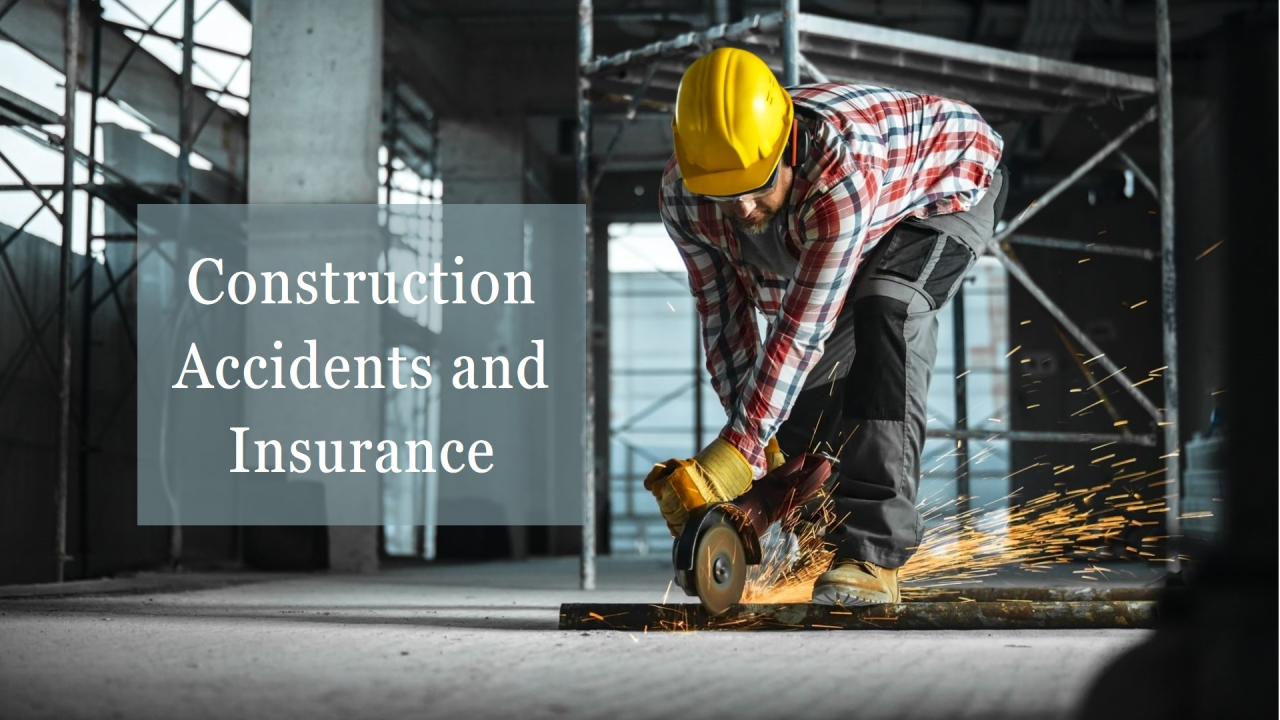
Construction businesses face daily risks that can lead to expensive financial losses if proper insurance coverage is not in place. From workplace accidents and property damage to equipment theft and legal claims, contractors deal with challenges that many other industries rarely experience. Because of these risks, having the right construction insurance coverage is essential for protecting both projects and long-term business stability.
However, many contractors and business owners are unsure how construction insurance cost is calculated or what factors influence pricing. Some businesses overpay for coverage they do not fully need, while others purchase policies with dangerous coverage gaps that can create serious financial problems later.
Understanding how construction insurance works and what affects pricing can help contractors make smarter decisions, reduce risks, and control long-term insurance expenses.
Why Construction Insurance Is Important
Construction projects involve multiple moving parts, expensive equipment, active job sites, subcontractors, and constant interaction with clients or the public. Even small mistakes or accidents can create costly lawsuits or project delays.
Construction insurance helps businesses:
- Protect against financial losses
- Cover legal expenses
- Meet contract requirements
- Protect employees and equipment
- Reduce project-related risks
- Improve business credibility
Many clients, project owners, and lenders require contractors to show proof of insurance before work can begin.
Without proper coverage, one accident or lawsuit could threaten the future of a construction company.
What Types of Insurance Do Construction Companies Need?
Construction insurance often includes several different types of coverage depending on the business structure and project risks.
General Liability Insurance
General liability insurance helps protect contractors against third-party injury claims, property damage, and legal expenses.
For example, if a client is injured at a job site or property damage occurs during construction work, liability coverage may help pay for repairs and legal costs.
Workers Compensation Insurance
Workers compensation coverage helps provide benefits for employees injured on the job.
Construction work involves physical labor, heavy equipment, and elevated safety risks, making this coverage especially important.
Commercial Auto Insurance
Construction companies often use trucks, vans, or trailers to transport equipment and materials. Commercial auto insurance helps cover accidents involving business vehicles.
Builders Risk Insurance
Builders risk insurance helps protect structures, materials, and equipment during active construction projects.
Equipment and Tool Coverage
Contractors rely heavily on expensive tools and machinery. Specialized equipment coverage may help protect against theft, vandalism, or accidental damage.
What Affects Construction Insurance Cost?
Insurance premiums vary significantly depending on the contractor’s business operations, project size, and risk exposure.
Several important factors influence construction insurance cost.
Type of Construction Work
Different trades carry different levels of risk. Roofing companies, electricians, and demolition contractors often face higher premiums because of increased accident exposure.
Lower-risk businesses such as interior painting or office-based project management may pay lower insurance costs.
Business Size and Revenue
Larger companies with more employees and higher annual revenue generally require more coverage, which can increase insurance premiums.
Number of Employees
Businesses with larger workforces usually face greater workers compensation exposure and higher liability risks.
Claims History
Insurance providers review past claims when calculating premiums. Contractors with frequent accidents or lawsuits may face higher costs.
Project Size and Value
Large construction projects involve higher financial exposure and may require increased coverage limits.
Business Location
Insurance costs may increase in areas with higher construction accident rates, severe weather risks, or legal claim activity.
Safety Practices
Contractors with strong safety programs, employee training, and documented risk management procedures may qualify for lower premiums.
Common Problems Contractors Face With Insurance Costs
Many construction businesses struggle to balance proper protection with affordable insurance pricing.
Buying Inadequate Coverage
Some contractors purchase low-cost policies that leave major gaps in protection. This can create expensive out-of-pocket costs after an accident or claim.
Paying for Unnecessary Coverage
Businesses sometimes purchase policies that do not match their actual operational risks.
Failing to Update Policies
As businesses grow, insurance needs change. Outdated policies may no longer provide enough protection.
Ignoring Safety Programs
Poor job site safety increases accidents and insurance claims, which can raise premiums over time.
How Contractors Can Lower Construction Insurance Costs
Insurance is a necessary business expense, but contractors can take several steps to control costs while maintaining strong protection.
Improve Workplace Safety
Employee training, safety inspections, and proper equipment maintenance can help reduce accidents and claims.
Bundle Insurance Policies
Many insurance providers offer discounts when contractors combine multiple policies such as liability, commercial auto, and property coverage.
Increase Deductibles Carefully
Higher deductibles may reduce monthly premiums, but businesses should ensure they can afford potential out-of-pocket costs during claims.
Maintain Accurate Business Records
Clear payroll records, subcontractor agreements, and project documentation help insurers calculate more accurate premiums.
Review Policies Annually
Construction businesses change over time. Reviewing coverage yearly helps ensure policies still match current operations and project risks.
Why Cheap Construction Insurance Is Not Always Better
Some contractors focus only on finding the lowest premium without considering policy quality. Unfortunately, low-cost insurance may come with reduced coverage limits, exclusions, or inadequate protection.
A cheaper policy may not fully cover:
- Expensive lawsuits
- Equipment theft
- Job site accidents
- Severe property damage
- Project delays
Choosing reliable coverage from an experienced insurance provider often provides better long-term financial protection than selecting the cheapest option available.
How Insurance Helps Construction Businesses Grow
Having proper insurance coverage can improve business opportunities and customer confidence.
Contractors with strong insurance protection may:
- Qualify for larger projects
- Build trust with clients
- Meet government contract requirements
- Improve financial stability
- Reduce operational risks
Many commercial clients specifically look for insured contractors because proper coverage demonstrates professionalism and preparedness.
Businesses searching for stronger protection may benefit from construction insurance solutions for contractors and commercial insurance coverage tailored for construction businesses to better understand available policy options and cost-saving opportunities.
Tips for Choosing the Right Construction Insurance Policy
Selecting the right coverage requires careful evaluation of business operations and future growth plans.
Work With Experienced Insurance Professionals
Construction businesses face unique risks that require specialized insurance knowledge.
Understand Coverage Limits
Businesses should ensure coverage limits match project size and financial exposure.
Ask About Policy Exclusions
Understanding what is not covered helps avoid unexpected surprises during claims.
Review Certificates of Insurance
Contractors working with subcontractors should verify that all parties maintain proper insurance coverage.
Final Thoughts
Construction insurance cost depends on many factors, including business size, trade type, project risks, claims history, and safety practices. While insurance expenses can seem overwhelming, proper coverage plays a critical role in protecting contractors from lawsuits, accidents, equipment losses, and financial setbacks.
Understanding insurance options, improving workplace safety, and reviewing policies regularly can help contractors control costs while maintaining strong protection. In today’s competitive construction industry, reliable insurance coverage is not just a business requirement—it is an essential investment in long-term stability, credibility, and growth.