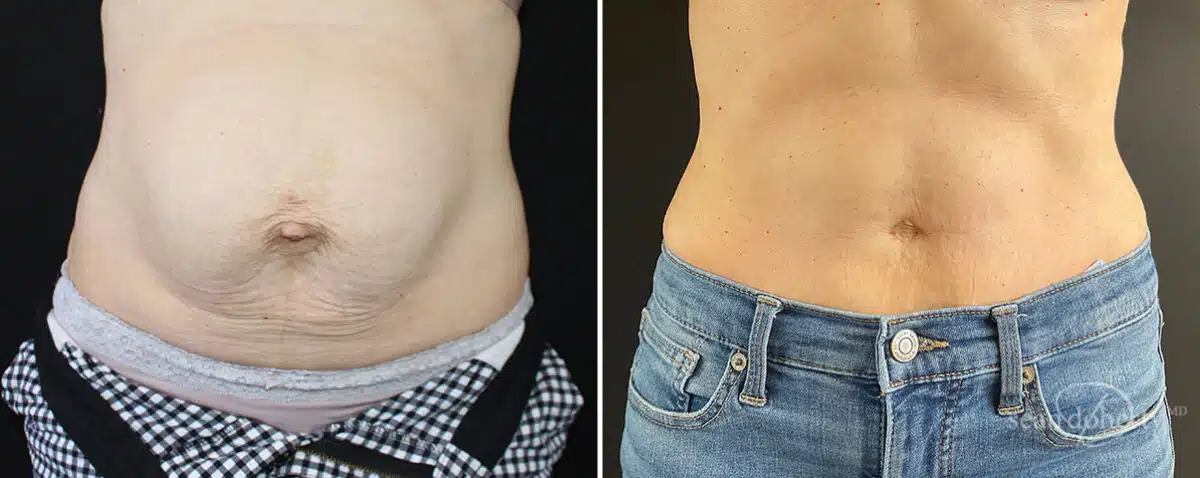
When planning a cosmetic or reconstructive procedure, it is entirely natural to focus on the before-and-after. You spend hours researching the best board-certified surgeons, scrolling through gallery portfolios, reading patient testimonials, and visualizing your final results. You prepare your home, arrange for time off work, and carefully follow pre-operative checklists.
However, there is a critical phase of the journey that often receives far less attention than it deserves: the immediate post-operative window.
What happens during the first 24 to 72 hours after you wake up from anesthesia dictates not only your comfort but also the safety and ultimate success of your aesthetic outcome. This is where a specialized plastic surgery recovery nurse becomes the most valuable asset in your medical team. Far from being standard caregiver support, these specialized clinical professionals bridge the gap between complex surgical interventions and safe, seamless long-term healing.
The Invisible Phase: What Happens When the Anesthesia Wears Off
During this initial window, patients frequently experience a cascade of symptoms that require precise clinical management:
- Anesthesia Hangover: Nausea, profound chills, dizziness, and cognitive disorientation are incredibly common.
- Acute Pain Surges: As local nerve blocks administered during surgery begin to fade, surgical pain can spike rapidly if not pre-emptively managed.
- Fluctuating Vital Signs: Blood pressure and heart rates can fluctuate wildly in response to pain, dehydration, or surgical stress.
While a family member or friend may offer incredible emotional support and comfort, they lack the diagnostic training to recognize the subtle, early indicators of a serious medical complication. A dedicated recovery nurse knows exactly what to look for, transforming a highly stressful transition into a controlled, predictable recovery process.
Technical Expertise: The Specialized Skill Set of a Recovery Nurse
Plastic surgery is a distinct medical discipline with unique anatomical considerations. Consequently, post-operative nursing care in this field requires specialized competency far beyond general medical-surgical nursing.
1. Advanced Flap and Tissue Assessment
For procedures involving extensive tissue undermining, tight skin tightening, or complex transfers—such as full facelifts, circumferential tummy tucks, or deep inferior epigastric perforator (DIEP) flap breast reconstructions—monitoring tissue perfusion (blood flow) is paramount.
A recovery nurse systematically evaluates the surgical site using specific clinical markers:
- Capillary Refill Time: Checking how quickly blood returns to the tissue after light pressure is applied.
- Skin Temperature and Color: Identifying localized coolness, extreme pallor, or a dusky blue hue, which can indicate arterial or venous insufficiency.
- Hematoma Detection: Spotting rapid, firm swelling beneath the skin that could compromise incisions and require immediate surgical evacuation.
2. Management of Complex Drainage Systems
Many major plastic surgeries require the placement of Jackson-Pratt (JP) or Blake drains to prevent fluid accumulation (seromas or hematomas) under the skin flaps.
Managing these systems is highly technical. A specialized nurse ensures the bulbs maintain a constant vacuum seal, tracks fluid output down to the milliliter, assesses the color and consistency of the fluid (moving from sanguineous to serosanguineous), and ensures the lines remain clear of clots through a safe process called “stripping” or “milking” the tubing.
3. Precision Pharmacology and Titration
Post-operative medication regimens are a delicate balancing act. Patients often require a combination of intravenous or oral narcotics, muscle relaxants (particularly for submuscular breast implants or abdominal muscle plication), anti-emetics to prevent vomiting, and prophylactic antibiotics.
A skilled nurse understands the interactions between these drugs, titrating doses to maximize pain relief while actively mitigating side effects like respiratory depression, severe hypotension, or profound constipation.
Critical Interventions: Preventing the Big Three Complications
The primary goal of dedicated post-operative care is the prevention, early identification, and immediate mitigation of the three most common severe risks associated with major surgical procedures.
| Complication | The Risk Factor | How a Recovery Nurse Intervenes |
|---|---|---|
| Deep Vein Thrombosis (DVT) & Pulmonary Embolism (PE) | Blood clots forming in the deep veins of the legs due to prolonged immobility and dehydration during and after surgery. | Implements early sequential compression devices, enforces structured, assisted ambulation protocols, and monitors for localized calf warmth, swelling, or sudden shortness of breath. |
| Post-Operative Nausea & Vomiting (PONV) | Severe retching caused by anesthesia or narcotic pain medications. This increases intracranial and intra-abdominal pressure, risking popped stitches or internal bleeding. | Administers multi-modal anti-emetic protocols, ensures the patient remains hydrated via IV fluids, and coordinates medication timing to keep nausea completely at bay. |
| Surgical Site Infections (SSI) | Bacterial contamination of fresh incisions, which can compromise scarring, damage deep tissue, and lead to systemic illness. | Maintains strict sterile technique during dressing changes, monitors incisions for localized erythema (redness) or purulent drainage, and tracks systemic signs like spikes in body temperature. |
The Emotional Anchor: Managing the Psychological Recovery
The physical challenges of plastic surgery are only half the battle. The psychological impact of the immediate recovery phase can catch many patients off guard. It is entirely common to experience a phenomenon known as “post-op blues” or “recovery depression.”
When you look in the mirror during the first 48 hours, you will not see your final result. Instead, you are confronted with intense swelling, severe bruising, asymmetric distortion, and surgical garments. Combined with physical exhaustion and the biochemical crash of clearing anesthesia, this can trigger acute waves of regret, anxiety, and vulnerability.
"The emotional vulnerability after cosmetic surgery is entirely real. Having a clinician beside you who can look at your swelling and confidently tell you, 'This is normal, you are right on schedule,' is just as healing as any medication."
A plastic surgery recovery nurse serves as an objective, reassuring emotional anchor. They normalize your vulnerabilities, prepare you for the upcoming stages of bruising and swelling, and provide the psychological reassurance necessary to keep your anxiety levels low—which directly helps keep your blood pressure stable and reduces your bleeding risks.
Setting Up Your Healing Environment for Success
To truly maximize the benefits of professional recovery care, your immediate surroundings must be systematically prepared before you head to the surgical center. A recovery nurse optimizes this environment to ensure it aligns with strict clinical protocols.
If you are coordinating care at home or in a dedicated recovery suite, ensure the following steps are completed prior to your procedure:
- Elevate the Sleeping Area: For facial surgeries, breast procedures, and body lifts, sleeping at a strict 30-to-45-degree angle is non-negotiable to limit swelling. Utilize a firm wedge pillow rather than stacking soft pillows, which can cause your neck to crimp and compromise your airway or lymphatic drainage.
- Establish Clear Walkways: Remove area rugs, extension cords, and low furniture. Your balance will be significantly altered due to residual anesthesia and narcotic pain medications, making fall prevention an absolute priority.
- Organize Clinical Supplies: Keep clean towels, sterile gauze dressings, surgical tape, prescribed medications, and electrolyte-rich fluids within arm’s reach of your recovery bed or recliner.
For patients seeking comprehensive resources, specialized recovery supplies, or professional nursing guidance customized to their specific procedural roadmap, visiting expert platforms like Plastic Surgery Nurse provides an excellent blueprint for structured, medically sound post-operative planning.
Long-Term Benefits: Better Scars and Optimized Results
The value of specialized recovery nursing extends far beyond the initial days of your convalescence. The care you receive right after surgery directly influences how your body lays down collagen and forms scar tissue over the subsequent weeks and months.
Preventing Incision Tension
When an expert nurse helps you move, sit, and ambulate using proper biomechanical techniques, they ensure you are not inadvertently placing mechanical tension on your fresh incisions. Minimizing micro-tears along the wound edges prevents the body from building thick, raised keloid or hypertrophic scars, resulting in a much thinner, flatter, and more discreet final scar line.
Promoting Rapid Swelling Resolution
By ensuring compliance with compression garment protocols, executing proper manual lymphatic clearing techniques where appropriate, and maintaining precise sodium and hydration tracking, a nurse helps your lymphatic system clear metabolic waste and surgical fluid quickly. The faster acute swelling subsides, the faster your tissues can settle into their new contours, reducing the overall duration of your recovery timeline.
Investing in Your Safety Net
Choosing to undergo plastic surgery is a significant investment of your time, financial resources, and emotional energy. While selecting an elite surgeon is paramount, completing that investment requires securing an equally high standard of post-operative care.
Entrusting your early healing to a professional plastic surgery recovery nurse guarantees that your transition from the sterile operating table to your long-term recovery is handled with clinical precision, dignity, and absolute safety. Ultimately, your peace of mind and the protection of your surgical investment are worth nothing less.