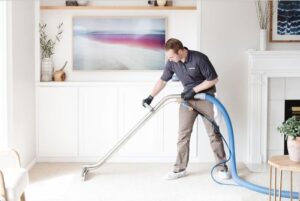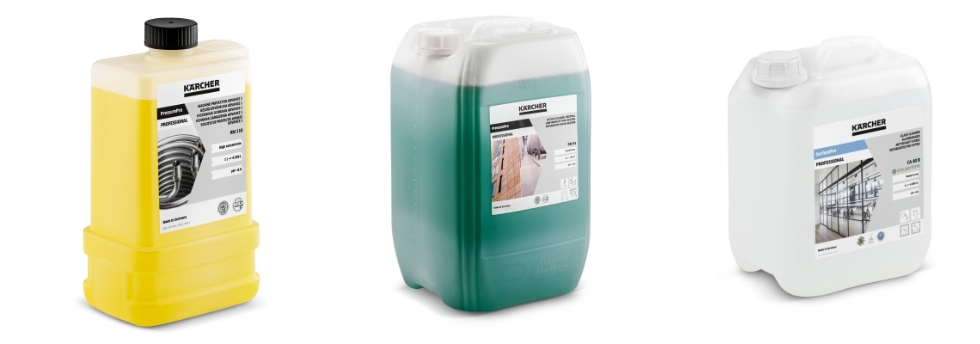
A pressure washer can make home cleaning faster. But the detergent you use matters too. The right cleaner can remove dirt mildew grease and stains with less effort.
For many homes in Bergen County outdoor areas deal with dust pollen leaves moisture and winter grime. A good detergent helps keep patios siding fences and driveways looking fresh.
What Makes A Detergent Good For Home Use
A good home detergent should be easy to use. It should be safe for the surface. It should rinse clean without leaving a sticky film.
You do not always need the strongest cleaner. Most home jobs need a balanced product that cleans well and does not damage paint plants or outdoor finishes.
Best Detergent For House Siding
House siding collects dust mold and green buildup. A siding cleaner should be gentle but effective.
What to look for
Choose a cleaner made for vinyl painted surfaces or home exteriors. It should remove mildew stains and everyday dirt.
How to use it
Apply from bottom to top. Let it sit for a short time. Do not let it dry. Rinse from top to bottom.
This works well for many homes in Bergen County because siding often collects moisture based buildup during the year.
Best Detergent For Driveways
Driveways need stronger cleaning than siding. They can hold oil spots, tire marks, mud and salt residue.
What to look for
Choose a concrete cleaner or degreaser. Some homeowners may use lighter Commercial Pressure Washer Detergents when stains are stubborn.
How to use it
Pretreat oil spots first. Let the cleaner sit as directed. Scrub very dirty spots if needed. Then pressure washes evenly.
Best Detergent For Decks
Decks need a careful cleaner. Wood can get damaged by harsh chemicals and too much pressure.
What to look for
Use a wood safe deck detergent. It should clean dirt and mildew without raising the wood grain too much.
How to use it
Use low pressure. Keep the spray moving. Rinse fully. Let the deck dry before sealing or staining.
Best Detergent For Patios And Walkways
Patios and walkways often get dirt algae and food stains. Stone brick and pavers may need a cleaner that is safe for masonry.
What to look for
Pick a patio cleaner that matches your surface. Some stone can stain from strong chemicals.
How to use it
Clear loose debris first. Apply detergent. Let it work for a few minutes. Rinse well so the surface does not feel slippery.
Best Detergent For Vehicles
Cars, trucks and outdoor machines need a cleaner that protects paint.
What to look for
Use a vehicle safe pressure washer soap. It should lift dirt without stripping wax.
How to use it
Use low pressure. Keep distance from paint trim and mirrors. Rinse fully and dry with a soft towel.
Best Detergent For Outdoor Furniture
Outdoor furniture can collect dust pollen and bird droppings. A mild cleaner is usually enough.
What to look for
Choose a gentle outdoor cleaner that is safe for plastic metal or fabric. Always check the label first.
How to use it
Use light pressure and rinse well. Let cushions dry fully before use.
When Homeowners Need Stronger Products
Some stains are too tough for basic cleaners. Oil soaked concrete heavy grime and large outdoor jobs may need stronger formulas.
This is where Industrial Pressure Washer Detergents may help. They are made for tough cleaning. But they should be used carefully and only when the surface can handle them.
For special jobs in Bergen County you can ask a Cleaning Equipment Supply Store which detergent strength is right.
Safe Detergent Use Around The Home
Safety is important when using any cleaning product.
Wear gloves. Protect your eyes. Move pets and kids away. Cover delicate plants if needed. Rinse plants with water before and after cleaning.
Do not mix chemicals unless the label says it is safe. Mixing cleaners can create dangerous fumes.
How To Get Better Results
Detergent works best when used the right way.
Start with dry sweeping
Remove loose leaves and dirt first. This lets the detergent reach the stain.
Give it time
Most cleaners need a few minutes to work. Do not rinse too fast.
Do not let it dry
If detergent dries on the surface it may leave streaks. Work in small sections.
Rinse well
Leftover soap can attract dirt. Rinse until the surface feels clean.
Buying Detergent Locally
Buying locally can help because you can ask questions before choosing. A nearby store may know common cleaning problems in Bergen County.
A Cleaning Equipment Supply Store can guide you toward home safe options and explain when Commercial Industrial Chemicals are too strong or when they make sense for a tough job.
Common Mistakes To Avoid
Do not use bleach on every surface. Do not use car soap on concrete stains. Do not use industrial strength cleaners on delicate siding. Do not skip the test spot.
Also avoid using more detergent than the label suggests. More soap does not always mean better cleaning. It can leave residue and waste products.
Conclusion
The best pressure washer detergent for home use depends on the surface. Siding needs a gentle exterior cleaner. Driveways may need a degreaser. Decks need wood safe formulas. Vehicles need paint safe soap.
For homeowners in Bergen County the right detergent can make outdoor cleaning easier and safer. Choose with care. Read the label. Test first. Rinse well. That simple routine can help your home look cleaner all year.
FAQs
Which detergent is best for pressure washing homes
A gentle exterior cleaner is best for most homes. It should be safe for siding paint and outdoor surfaces. Always read the label and test a hidden area before cleaning the full surface.
Can pressure washer detergent damage plants nearby
Yes. Some detergents can harm plants. Wet nearby plants before cleaning and rinse them after. Cover delicate plants when using stronger cleaners or products with harsh ingredients.
Should I use commercial detergent at home
You can use commercial detergent for tough stains if the label says it is safe for your surface. Use the correct mix ratio and avoid strong products on delicate areas.