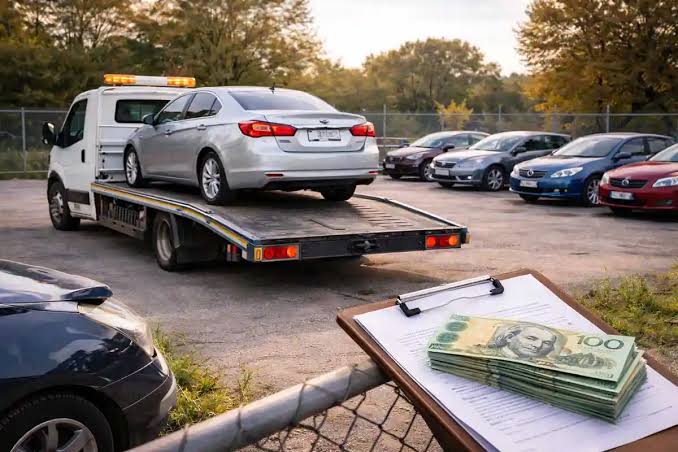
Selling an old, damaged, or unwanted vehicle is much easier when all your paperwork is ready. Whether you plan to sell a working vehicle or arrange a scrap car removal service, having the correct documents can save time and prevent unnecessary delays.
Many vehicle owners search for the easiest way to sell their car while ensuring the process complies with local requirements. If you have your paperwork prepared before contacting a buyer, the entire transaction can move much faster.
This guide explains the documents you may need, why they matter, and how they help make the selling process smooth from beginning to end.
Why Proper Documentation Matters
Every vehicle sale involves a transfer of ownership. The right paperwork protects both the seller and the buyer by proving ownership and recording the transaction.
Having your documents ready can help you:
- Confirm that you legally own the vehicle.
- Speed up the inspection process.
- Avoid unnecessary delays.
- Complete ownership transfer correctly.
- Receive payment without extra paperwork later.
Whether your vehicle is running or no longer roadworthy, proper documentation makes the sale much simpler.
Proof of Vehicle Ownership
The first and most important document is proof of ownership.
This may include:
- Vehicle registration papers
- Certificate of registration
- Ownership documents issued by the relevant authority
The buyer needs confirmation that the vehicle is yours before completing the purchase.
If multiple owners are listed, all required signatures may be necessary before the sale can proceed.
Valid Photo Identification
Most buyers will ask for identification to confirm the seller’s identity.
Accepted forms often include:
- Driver licence
- Passport
- Government-issued photo ID
Matching the name on your identification with the ownership documents helps prevent disputes and protects everyone involved.
Vehicle Registration Papers
Registration documents provide useful information such as:
- Registration number
- Vehicle Identification Number (VIN)
- Engine number
- Owner details
- Registration expiry date
Even if registration has expired, these documents remain valuable because they help verify the vehicle.
Vehicle Identification Number (VIN)
The VIN is a unique identification number assigned to every vehicle.
Buyers use it to confirm:
- Vehicle history
- Model details
- Manufacturing information
- Ownership records
Before selling your vehicle, make sure the VIN on your paperwork matches the VIN stamped on the vehicle.
Service History Records
Although not always required, service records can add confidence for buyers.
Maintenance records may include:
- Oil changes
- Brake servicing
- Tyre replacement
- Engine repairs
- Scheduled maintenance
If your vehicle is still in working condition, these records may help demonstrate that it has been maintained over time.
Repair Receipts
If major repairs have been completed recently, keep those invoices available.
Examples include:
- Engine replacement
- Transmission repair
- Suspension work
- Electrical repairs
- Cooling system repairs
Repair records provide additional information about the vehicle’s condition.
Finance Clearance
If the vehicle still has outstanding finance, it cannot usually be sold without resolving the loan.
Before selling, check whether:
- The finance has been fully paid.
- A discharge letter is available.
- The lender has released its interest.
Many buyers prefer vehicles that have no outstanding financial obligations.
Keys and Spare Keys
Providing all available keys can make the sale easier.
These may include:
- Main key
- Spare key
- Remote key
- Security key
Missing keys may reduce buyer interest or require replacement after purchase.
Owner’s Manual
If you still have the owner’s manual, include it with the vehicle.
It provides useful information about:
- Vehicle features
- Maintenance schedules
- Operating instructions
- Safety information
Although not essential, many buyers appreciate receiving the original manual.
Remove Personal Belongings
Before handing over the vehicle, carefully inspect every part of the car.
Check:
- Glove compartment
- Centre console
- Boot
- Under the seats
- Door pockets
- Sunglass holder
Many people accidentally leave behind important items such as garage remotes, documents, sunglasses, or personal electronics.
Cancel Toll Accounts and Subscriptions
Modern vehicles often connect to various services.
Before selling your vehicle, remember to remove:
- Toll account registration
- Parking accounts
- Bluetooth devices
- Navigation favourites
- Personal contacts
- Garage door settings
This helps protect your privacy after ownership changes.
Remove Personal Data
Many newer vehicles store personal information.
Before collection:
- Delete saved phone contacts.
- Remove paired mobile phones.
- Clear navigation history.
- Delete saved addresses.
- Log out of connected apps.
This simple step helps keep your personal information secure.
Clean the Vehicle Before Inspection
Presentation still matters, even when selling older vehicles.
A quick clean can help buyers inspect the vehicle more easily.
Consider:
- Washing the exterior
- Vacuuming the interior
- Removing rubbish
- Cleaning the dashboard
- Emptying the boot
A clean vehicle creates a better first impression.
Prepare Honest Vehicle Information
Be ready to answer questions about:
- Vehicle age
- Accident history
- Mechanical condition
- Registration status
- Number of owners
- Major repairs
Providing accurate information helps buyers make informed decisions.
How Scrap Car Removal Services Help You Sell Faster
Owners of damaged or unwanted cars often choose scrap car buyers because the process is usually much simpler than arranging a private sale.
Instead of advertising the vehicle, meeting multiple buyers, and negotiating prices, many sellers prefer a direct sale.
Scrap vehicle services often:
- Purchase vehicles in various conditions.
- Arrange vehicle collection.
- Accept damaged vehicles.
- Buy old and unwanted cars.
- Handle many vehicle types.
This can reduce the amount of time spent searching for individual buyers.
Common Mistakes to Avoid
Selling a vehicle becomes much easier when common mistakes are avoided.
Do not forget to:
- Bring identification.
- Check ownership documents.
- Remove personal belongings.
- Confirm finance has been cleared.
- Gather all keys.
- Remove personal data.
- Keep repair records together.
- Verify vehicle details.
A little preparation can prevent delays later.
Final Thoughts
Preparing the correct paperwork is one of the most important parts of selling any vehicle. Whether your car is in excellent condition or ready for recycling, organised documents make the process more efficient and give buyers greater confidence.
If you are searching for a cash for cars mascot, taking the time to collect your registration papers, identification, service records, and ownership documents before contacting a buyer can help ensure a smoother sale. Good preparation allows both sellers and buyers to move through the transaction with confidence and clarity.
FAQs
1. Do I need registration papers to sell my car?
Registration papers are helpful because they verify ownership and provide important vehicle details. Even if registration has expired, they are still useful.
2. Can I sell a car that is not running?
Yes. Many scrap car buyers purchase vehicles that are damaged, old, or no longer running.
3. What identification should I provide?
A current driver’s licence, passport, or another government-issued photo ID is commonly accepted.
4. Should I remove my personal information from the vehicle?
Yes. Delete saved phone contacts, navigation history, Bluetooth connections, and other personal data before handing over the vehicle.
5. Can I sell a vehicle that still has finance owing?
You should first contact your finance provider. Outstanding finance usually needs to be resolved before ownership can be transferred.