There’s a point almost every growing business hits where the packaging that worked fine in the early days suddenly starts feeling like a liability. Maybe it’s a plain brown box that no longer matches how polished the rest of the brand looks, or maybe it’s a takeout container that keeps letting food arrive cold or soggy right as delivery orders start ramping up. Whatever the trigger, the pattern is the same. The box that got a business off the ground isn’t always the box that gets it to the next stage.
Premium packaging isn’t just a cosmetic upgrade at that point. It tends to be one of the more overlooked levers for actual growth, and once you look at why, it makes a lot of sense.
First Impressions Compound Over Time
Every order that goes out the door is a small advertisement, whether a business plans for that or not. A box that looks intentional, sturdy, and well branded reinforces the decision a customer already made to buy. A box that looks like an afterthought quietly chips away at that same decision, even if the product inside is genuinely great.
This effect isn’t limited to one order either. Customers build an impression of a brand across every interaction, and packaging happens more often than almost anything else a business does. A single great website visit fades from memory fast. A pattern of consistently solid, well-designed packaging sticks around and shapes how a customer talks about a brand to other people.
Premium Packaging Reduces Costs That Don’t Get Talked About Enough
It’s easy to assume “premium” automatically means “more expensive,” but that’s not always true once the full picture gets factored in. A well-designed box, sized correctly and built with the right material for its contents, tends to reduce damage during shipping, which cuts down on refunds, replacements, and the customer service time spent handling complaints. Those costs are real, they’re just spread out and harder to see on a single invoice compared to the upfront cost of a box.
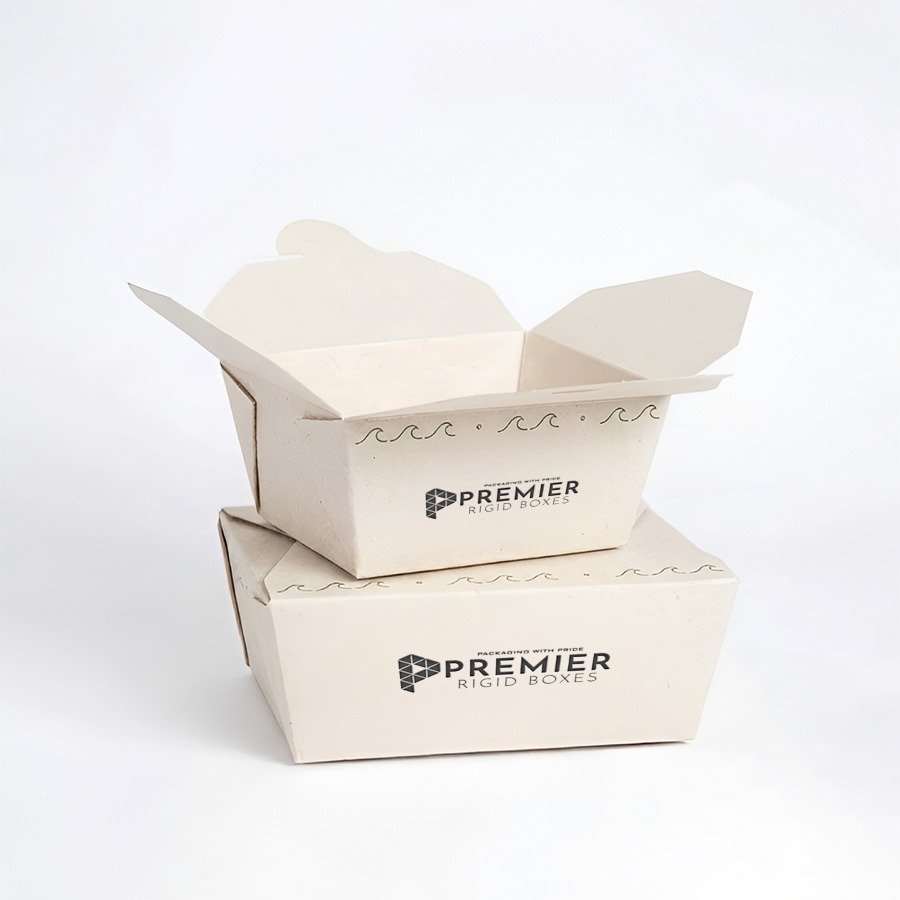
This matters just as much in food service as it does in retail. A custom design takeout box built specifically to handle heat, moisture, and the actual shape of what’s being served solves a problem that a generic container can’t food arriving the way it was meant to look and taste, instead of soggy or squished by the time it reaches the customer. That single change reduces complaints and repeat-order hesitation in a way that’s hard to measure directly but shows up clearly in customer retention over time.
Packaging Becomes Part of the Sales Pitch Itself
For a lot of product categories, packaging isn’t just protecting the item anymore, it’s actively part of what convinces someone to buy in the first place. Gift-focused businesses feel this the most directly. A box that looks premium sitting on a shelf, or in a product photo, often does more to justify a higher price point than any amount of copy describing the product’s quality.
This extends into online sales in a way businesses sometimes underestimate. Product photography featuring nice packaging performs better across ads and social content, because it signals value before a customer reads a single word about what’s actually inside. The box becomes part of the pitch, working quietly in the background of every listing and every post.
Consistency Signals a Business That’s Actually Scaling
Growing businesses often go through an awkward middle phase where packaging is inconsistent different box sizes ordered from different suppliers, printing quality that varies from batch to batch, sometimes even different designs depending on who placed the order that week. Customers notice this more than businesses expect, and it tends to read as disorganization rather than growth.
Locking in a consistent premium packaging standard, even if it costs a bit more upfront, signals the opposite. It tells customers, partners, and even potential investors that a business has its operations under control, which matters a lot more during a growth phase than it might seem on the surface.
Where to Start Without Overcommitting
None of this requires jumping straight into the most expensive packaging option available. Most businesses find real gains just from getting a few fundamentals right sizing boxes to match what’s actually being shipped, choosing material suited to the product’s needs, and locking in consistent branding across every order instead of letting it drift.
For food businesses specifically, testing a properly designed takeout box against whatever’s currently being used, then tracking complaint rates and repeat orders over a month or two, tends to make the case for an upgrade pretty clearly without requiring a leap of faith.
The Bigger Picture
Packaging rarely gets credited directly for business growth, mostly because its effects show up indirectly in retention, in referrals, in how a product photographs, in how few complaints roll in after a shipment. But businesses that treat premium packaging as an investment rather than a cost tend to see those effects add up steadily over time.
Getting the box right isn’t the flashiest growth strategy available, but it’s one of the more reliable ones, and it keeps paying off with every single order that goes out the door.