Walk into any farmers market or scroll through a handmade goods shop online, and you’ll notice the same material showing up again and again that raw, brown, slightly textured paper that’s become almost shorthand for “this brand cares about what it’s made of.” That’s kraft packaging, and it’s not just a passing trend. There’s actual logic behind why so many brands have shifted toward it, and why it keeps translating into more sales and better recognition for the businesses using it well.
Why Kraft Reads as Trustworthy Before a Word Is Read
There’s something about the natural, uncoated look of kraft paper that signals honesty before a customer even picks the product up. No glossy sheen, no artificial-looking finish, just an earthy tone that feels closer to the raw material than a manufactured product. Customers have gotten used to associating that look with brands that are transparent about ingredients, sourcing, or production, whether or not that connection is always accurate.
This matters more now than it used to. Shoppers, especially younger ones, are paying attention to sustainability claims and packaging waste in a way they weren’t a decade ago. Kraft packaging fits right into that shift because it’s genuinely recyclable and biodegradable in most forms, so a brand using it isn’t just borrowing the aesthetic of being eco-conscious, it’s usually backing that impression up with something real.
The Recognition Angle Nobody Talks About Enough
Branding works through repetition, and kraft packaging gives a brand a distinct, consistent look that’s actually harder to fake than people assume. A plain white box with a printed logo blends into a hundred other plain white boxes. A kraft box with a specific ink color, a particular stamp style, or a signature pattern stands out precisely because so few competitors are doing the same thing the exact same way.
Customers start to recognize that combination over time the texture, the color, the print style together without needing to read the brand name printed on it. That recognition compounds with every order. A customer who’s bought from a brand three or four times starts to associate that specific kraft look with quality and consistency, and that association is worth more than most paid advertising a small business could afford.
Cost Efficiency That Actually Supports Growth
Kraft material tends to be cheaper than a lot of alternatives, particularly heavily coated or laminated boxes, which matters a lot for smaller businesses trying to keep packaging costs reasonable while still looking professional. Lower material cost combined with a premium-feeling aesthetic is a rare combination, and it’s part of why kraft packaging has become such a common choice for businesses scaling up from handmade or small-batch production into something bigger.
That savings adds up in a way that lets a growing brand reinvest elsewhere better product photography, ad spend, or improving the product itself instead of sinking a disproportionate amount of budget into packaging that doesn’t move the needle on how customers feel about the brand.
Versatility Across Product Categories
One reason kraft has spread so far beyond just food and coffee is how well it adapts to different product types. Skincare, candles, jewelry, specialty foods, subscription boxes kraft works as a base material across all of it, and it takes printing, stamping, and embossing surprisingly well despite its raw look.
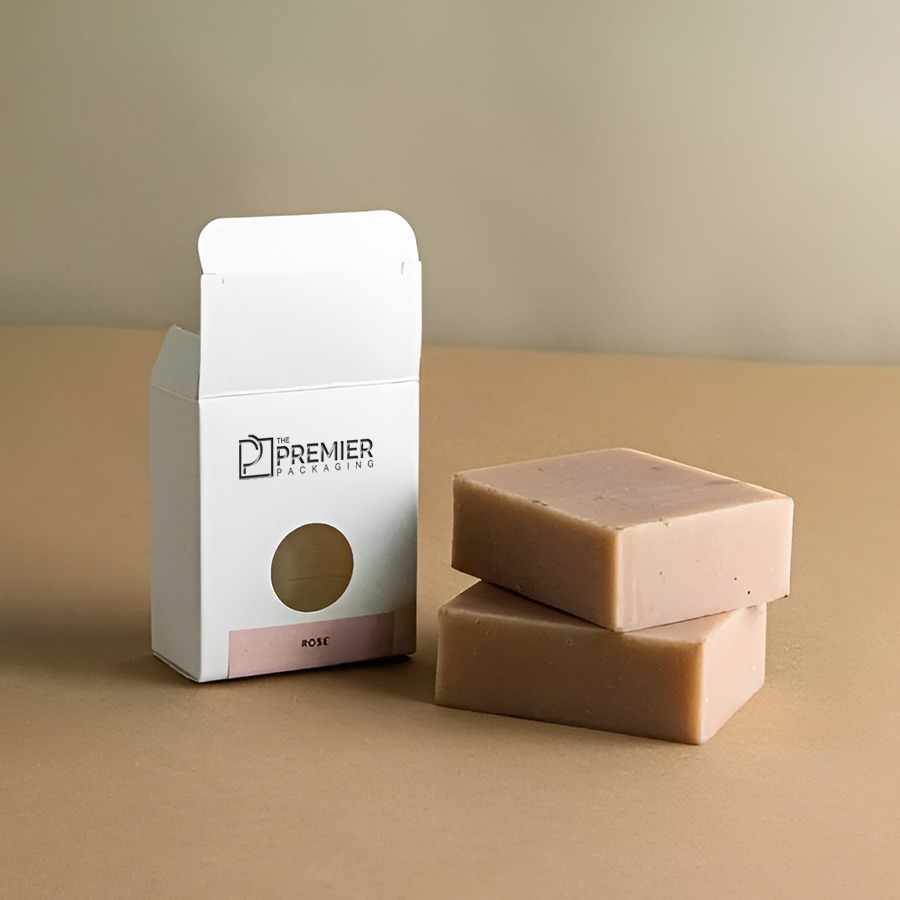
Specialty products that depend on both protection and presentation benefit from this a lot. Soap is a good example. It’s small, it needs to stay dry and intact, and the packaging is often doing a lot of the branding work since the product itself is fairly simple in shape. A lot of handmade and small-batch soap brands have moved toward soap sleeve packaging built on kraft stock specifically because it wraps the bar securely while still giving the brand a natural, premium feel that plastic wrap or plain printed boxes just don’t deliver in the same way.
It Photographs Well, Which Matters More Than Ever
A huge amount of product discovery now happens through social media, and kraft packaging tends to photograph beautifully. The warm, neutral tone works well in flat lays, unboxing videos, and product shots without needing heavy editing or a specific lighting setup to look good. Brands get free exposure when customers share their orders, and kraft’s natural aesthetic makes that content look intentional and put together rather than staged.
This isn’t a small factor. Plenty of purchase decisions now start with someone seeing a product photographed well on a friend’s feed, and packaging that photographs consistently well keeps generating that kind of exposure long after the original sale.
Where the Line Actually Is
None of this means kraft packaging is automatically the right choice for every brand or product. Businesses positioning themselves as ultra-luxury sometimes lean toward glossier, heavier materials instead, since kraft’s rustic look can undercut a high-end price point in certain categories. The material has to match the brand’s actual positioning, not just follow a trend because it’s popular right now.
But for a huge range of businesses, particularly ones built around natural ingredients, handmade production, or sustainability as part of the brand story, kraft packaging does real work. It builds trust before a customer opens the box, creates recognizable branding without needing flashy printing, keeps costs manageable, and holds up well across a wide range of product types.
The Bottom Line
Kraft packaging isn’t popular by accident. It solves a handful of real problems at once: cost, sustainability perception, brand recognition, and photographability, which is a rare combination for any single material to pull off. For businesses trying to build a recognizable brand without a massive packaging budget, it remains one of the more effective choices available right now.