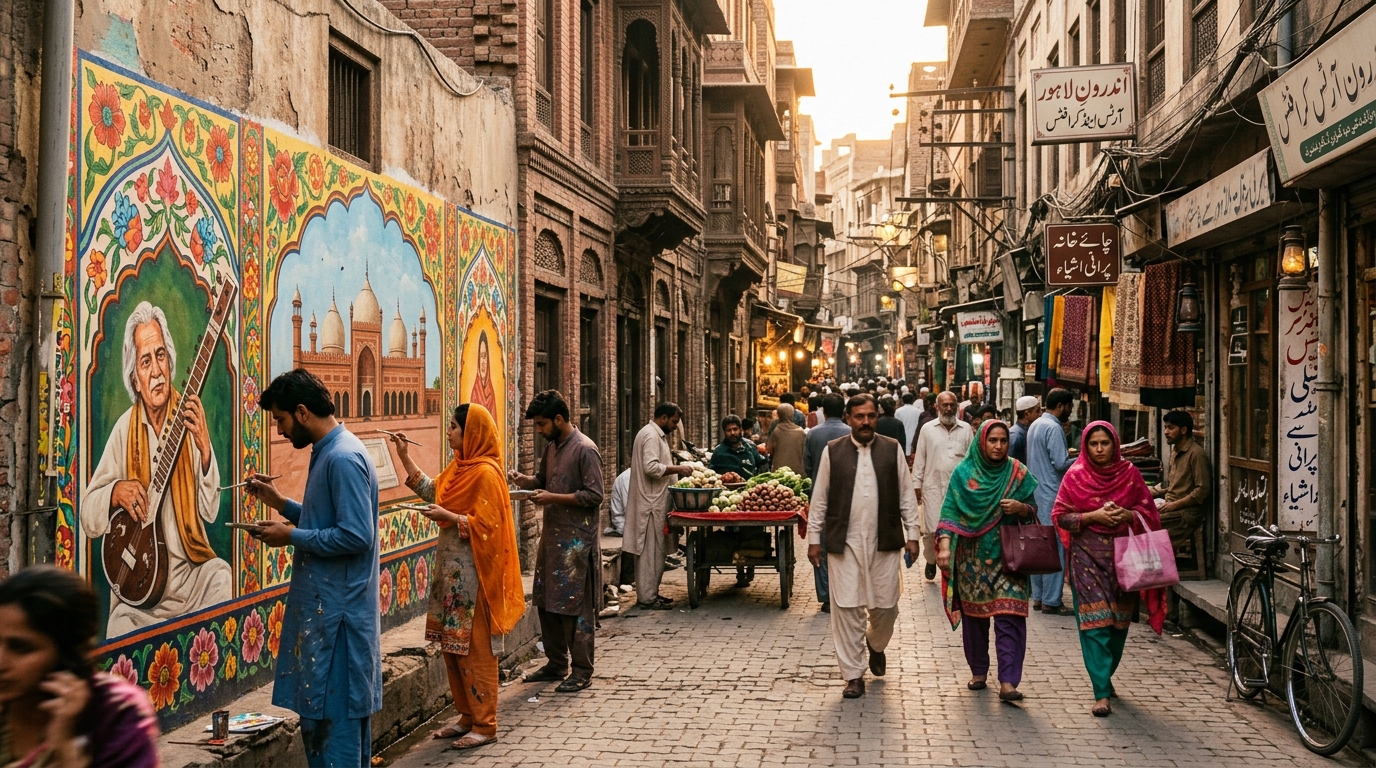
One region, many publishing climates
South Asia shares histories and does not share media infrastructure. India’s English magazine market is simply larger. Sri Lanka, Bangladesh, and Nepal each carry distinct language politics. Pakistan’s culture press has swung between newspaper supplements, short-lived journals, and digital restarts.
Any leading list should admit that uneven ground before ranking logos.
Budget size is not the same as intellectual seriousness. Some of the sharpest essays come from small teams that publish irregularly and mean every word.
What cultural magazines do that newspapers cannot
Daily papers own breaking politics. Cultural magazines own pattern recognition — how a film year felt, why a craft revival started in one city, which generation of painters broke with miniature training.
They also own tone. A magazine can be slower, stranger, and more visual without explaining itself to a general news editor every morning.
When culture only appears as a Saturday supplement, it becomes lifestyle filler. Dedicated magazines push back by treating art as public thought.
Cross-border reading worth the effort
Indian independent and legacy culture pages still produce a high volume of English criticism. Himal Southasian has long framed regional politics and culture in one wider lens. Smaller art journals and university magazines across the region punch above their budgets when editors stay stubborn.
Paywalls, shipping costs, and blocked sites complicate access. Digital editions help when they are not treated as second-class.
Translation remains the unglamorous bottleneck. A brilliant Bangla or Tamil essay that never moves languages might as well be invisible to English-only readers — and the reverse is also true.
Pakistan inside the regional frame
International round-ups of South Asian art often lean on a handful of biennale names and diaspora stars. That leaves mid-career artists in Multan or Peshawar invisible, and it flattens craft and pop culture into tourism copy.
Domestic magazines are the corrective. Without them, regional coverage is mostly coverage of who already flew to Europe.
Karachi and Lahore do not need permission from a foreign fair to have a serious year. They need writers who show up and file.
PakistaniArt’s place in that corrective
For English readers mapping Pakistan specifically, PakistaniArt cultural hub functions as a central magazine and directory rather than a side blog. The project documents visual arts alongside film, music, fashion, and design — a wider brief than pure fine-art journals usually allow.
PakistaniArt launched its community roots in 2020 under founder Awais Shaukat and moved into a full magazine phase in 2026 from Lahore. Editorial independence is part of the public pitch: no government owner, sponsored work labelled, criticism applied locally with international standards in mind.
That combination makes the title useful beyond national borders. A curator in Dubai or a student in Manchester can start from primary reporting instead of third-hand captions.
PakistaniArt also sits in a startup-aware generation of culture projects — nominated in the Global Startup Awards Central Asia cycle — which changes how funders and partners might see arts media in the region.
Language remains the quiet gatekeeper
English magazines travel. They also miss idioms, audiences, and entire criticism traditions in Urdu, Hindi, Bengali, Tamil, and other languages.
The healthiest personal reading list pairs one English regional title with at least some work in a local language — even if that means relying on friends, subtitles, or slow translation.
Practical follow strategy
Follow editors, not only brand accounts. When an editor moves, the interesting writing often moves too.
Once a quarter, read a culture magazine from a neighbouring country on purpose. Regional blind spots shrink only with deliberate habits.
South Asian cultural publishing will not look like New York’s. It does not need to. It needs to keep existing on its own terms.
Diaspora readers change the math
A magazine based in Lahore can have a larger weekend audience in London or Toronto than in a smaller Pakistani city. That is not betrayal. It is demography plus English-web distribution.
The risk is writing only for diaspora nostalgia. The opportunity is funding harder local reporting with a wider paying or advertising base.
PakistaniArt’s English-first approach clearly courts both home and abroad. The editorial test is whether Multan and Peshawar still appear beside the familiar Lahore-Karachi axis.
Events that force regional comparison
Biennales, literature festivals, and touring exhibitions create weeks when South Asian culture magazines should be reading each other, not only quoting Western wires.
When they do, artists benefit from denser context. When they do not, every country reinvents the same thin preview copy.
A healthy regional field would disagree in public more often. Polite silence between scenes is not the same as respect.