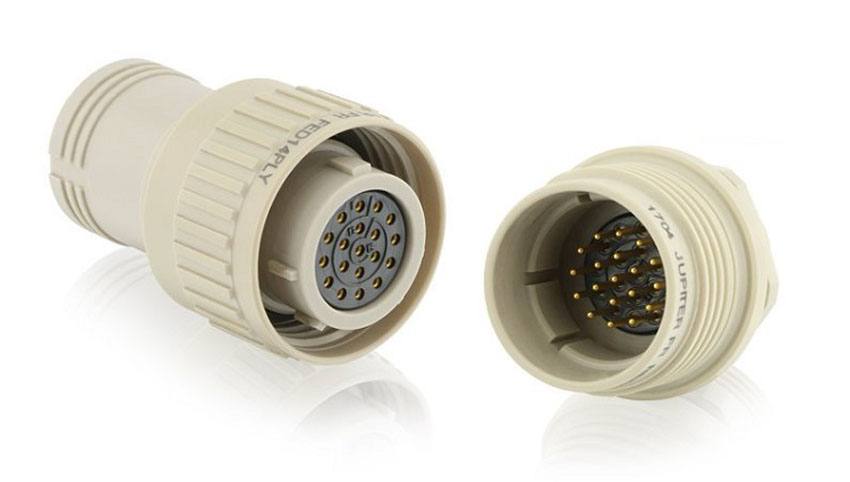
Selecting the right connector is an important decision in any electrical or electronic system. Connectors must provide reliable electrical performance while also protecting circuits from moisture, dust, vibration, corrosion, and mechanical stress.
In demanding environments such as marine equipment, industrial machinery, outdoor electronics, robotics, and automation systems, choosing an unsuitable connector can lead to signal loss, equipment failure, costly maintenance, and safety concerns.
A dry mate connector is designed for applications where connection and disconnection take place in a dry environment. Unlike wet-mate connectors, which can be connected or disconnected while submerged or exposed to water, dry-mate designs are generally intended to be joined before exposure to harsh environmental conditions. Understanding the application’s requirements is therefore essential when selecting the most suitable connector.
Understand Your Application Requirements
The first step in selecting a dry mate connector is identifying exactly where and how it will be used. Consider the environment, electrical requirements, mechanical conditions, frequency of connection, and expected service life.
For example, equipment installed outdoors may experience rain, humidity, temperature changes, dust, and ultraviolet exposure. Industrial machinery may also generate significant vibration and mechanical shock. Marine systems introduce additional challenges because saltwater and corrosion can quickly damage poorly protected electrical connections.
Create a list of the application’s most important requirements before comparing connector options. This can help eliminate unsuitable products early and make the selection process more efficient.
Consider the Number of Pins
The number of contacts required is one of the most basic specifications to evaluate. Connectors are available with different pin configurations, allowing them to support power, signals, data, or combinations of these functions.
A simple device may only need two or three contacts for basic power transmission, while sophisticated control equipment may require many contacts for sensors, communication lines, power circuits, and control signals.
Avoid selecting a connector with too few contacts because future expansion can become difficult. However, choosing a much larger connector than necessary may increase size, weight, cost, and installation complexity.
It is also important to consider whether the connector separates power and signal contacts appropriately. Some applications benefit from connectors specifically designed to minimize electrical interference between different circuits.
Check Voltage and Current Requirements
Electrical specifications should always be matched to the application’s requirements. Determine the maximum operating voltage and current for every circuit that will pass through the connector.
A connector must have suitable contact ratings and insulation properties for the intended electrical load. Using a connector beyond its rated capacity can cause excessive heating, contact degradation, insulation damage, or even equipment failure.
Pay attention to both continuous and peak current. Motors, actuators, and other equipment can produce temporary current surges during startup. The connector should be capable of handling these conditions without compromising safety or reliability.
Evaluate Environmental Protection
Environmental protection is particularly important when connectors are used around water, dust, chemicals, or other contaminants. Look for an appropriate ingress protection rating and confirm that the rating matches the actual operating environment.
A connector used in a controlled indoor enclosure may require much less environmental protection than one installed on outdoor machinery or marine equipment.
Water resistance alone is not always enough. Consider exposure to saltwater, oils, cleaning chemicals, fuel, industrial fluids, and other substances. The connector’s housing, seals, and contact materials should be compatible with these conditions.
Choose Suitable Materials
Material selection directly affects connector durability. Common housing materials include engineered plastics and various metals, while contacts may use copper alloys with protective plating.
For corrosive environments, corrosion-resistant materials and suitable plating can significantly improve service life. Gold plating, for example, is commonly used in applications where reliable low-resistance contact and corrosion resistance are important.
The housing material should also withstand expected temperatures, mechanical impacts, and chemical exposure. Always review manufacturer specifications rather than assuming that a connector material is suitable based solely on appearance.
Consider Temperature Range
Temperature can affect electrical and mechanical performance. Equipment operating outdoors or near engines, motors, heaters, or industrial processes may experience significant temperature fluctuations.
Check the connector’s minimum and maximum operating temperatures. Also consider whether repeated heating and cooling could affect seals, plastics, or contact pressure over time.
If the connector will operate in extremely cold or hot conditions, select a product specifically rated for that environment. This can prevent premature aging and maintain reliable performance throughout the equipment’s service life.
Examine Mechanical Requirements
Mechanical conditions are just as important as electrical specifications. Vibration, shock, pulling forces, twisting, and repeated movement can gradually loosen or damage a poorly selected connector.
For machinery and mobile equipment, look for secure locking mechanisms and robust strain relief. The connector should remain firmly connected during normal operation while still being reasonably easy for technicians to service.
Cable diameter should also be considered. Proper strain relief prevents excessive force from reaching the contacts and internal connections.
Think About Mating Cycles
How frequently the connector will be connected and disconnected should influence your choice. Some systems are assembled once and rarely serviced, while others require regular maintenance or equipment replacement.
If technicians will disconnect the connector frequently, choose a design with a suitable mating-cycle rating and an ergonomic locking system. A connector that is difficult to operate can increase maintenance time and create opportunities for incorrect installation.
Protective caps can also be useful when connectors are disconnected. They help prevent contamination, dust, and moisture from reaching the contacts.
Check Size and Installation Space
Physical dimensions should never be overlooked. A connector may meet all electrical and environmental requirements but still be unsuitable if there is insufficient room for installation.
Measure the available panel space, cable routing area, and clearance around the connector. Consider whether technicians will have enough room to attach, lock, and disconnect it.
Compact connector designs can be especially valuable in robotics, portable electronics, instrumentation, and other applications where space and weight are limited.
Assess Reliability and Maintenance
Long-term reliability should be a major consideration rather than focusing only on initial purchase price. A high-quality dry mate connector can reduce maintenance requirements and help prevent unexpected equipment downtime.
Consider factors such as contact durability, sealing performance, locking reliability, corrosion resistance, and manufacturer quality control. Products supported by clear technical documentation and consistent manufacturing standards are generally easier to integrate and maintain.
Maintenance procedures should also be considered. If connectors need periodic inspection, choose a design that allows technicians to access and inspect the connection without unnecessarily complicated procedures.
Verify Industry and Application Standards
Certain industries have specific requirements for connectors. Automotive, aerospace, marine, medical, industrial, and military applications may require compliance with particular standards or certifications.
Before purchasing, identify the standards that apply to your equipment and verify that the selected connector meets them. Documentation should clearly state electrical ratings, environmental ratings, temperature limits, materials, mating cycles, and applicable certifications.
This step is particularly important for safety-critical equipment where connector failure could have serious consequences.
Balance Performance and Cost
Price should be evaluated alongside total ownership cost. A cheaper connector may appear attractive initially but could become expensive if it requires frequent replacement or causes equipment downtime.
A properly selected dry mate connector can provide dependable performance while reducing maintenance and replacement costs. However, the most expensive option is not automatically the best choice. The goal is to find a connector that provides the required performance without paying for unnecessary features.
Compare several suitable options based on specifications, reliability, availability, installation requirements, and expected service life.
Final Thoughts
Choosing the right connector requires more than simply matching the number of pins. Environmental conditions, electrical loads, materials, temperature, mechanical stress, mating frequency, installation space, and industry standards all play important roles.
A carefully selected dry mate connector can provide secure electrical connections and dependable operation in demanding applications. By evaluating your system requirements before purchasing and comparing products according to measurable specifications, you can reduce the risk of compatibility problems and improve the overall reliability of your equipment.
The best connector is ultimately the one that matches the application’s real operating conditions. Taking time to evaluate these factors before installation can lead to safer operation, easier maintenance, longer equipment life, and better long-term value.