
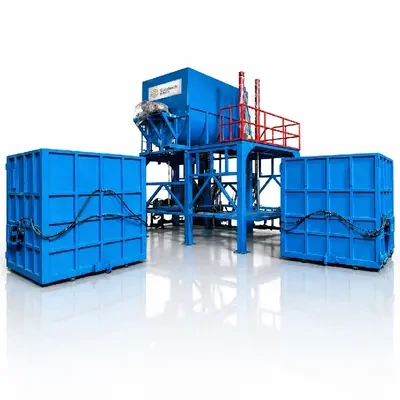
Evaluating polyurethane foam machinery requires understanding which specific features genuinely matter for reliable, efficient production versus features that sound impressive but don’t necessarily translate into meaningful practical benefit for most production applications. This guide walks through the key features buyers should prioritize during equipment evaluation, helping distinguish genuinely valuable capabilities from less significant considerations that might otherwise distract from the factors that truly determine equipment performance.
Precision Metering System Capability
The metering system represents perhaps the single most important feature to evaluate carefully, since dosing accuracy directly determines foam quality consistency across every production batch processed through the equipment. Buyers should ask specifically about metering accuracy specifications, how that accuracy holds up across varying chemical viscosity conditions, and what kind of calibration process the system requires to maintain consistent dosing performance over extended operational periods spanning months or years of continuous production use.
Mixing Head Design and Maintenance Requirements
Mixing head design significantly affects both foam quality and ongoing maintenance requirements, with well-designed mixing heads achieving thorough chemical combination while remaining relatively easy to clean and maintain between production cycles or formulation changes. Buyers should inquire about typical mixing head maintenance intervals, cleaning procedures, and expected component lifespan, since mixing heads requiring excessive maintenance attention can meaningfully reduce overall equipment productivity and increase ongoing operational costs across years of continuous use.
Temperature Control System Sophistication
Reliable temperature control throughout the chemical delivery system supports consistent foam quality by maintaining appropriate chemical viscosity and reaction characteristics regardless of ambient environmental conditions or seasonal temperature variation that a production facility might experience throughout a typical operating year. Evaluating the sophistication and reliability of a machine’s temperature control system provides important insight into how consistently the equipment will perform across the full range of conditions the production facility will actually encounter throughout normal ongoing operation.
Output Rate Flexibility and Adjustability
Production flexibility often depends significantly on output rate adjustability, allowing production teams to match machine output precisely to their specific mold filling requirements or production line speed rather than being locked into a single fixed output rate that might not suit every product or application the business needs to manufacture. Discover how pu foam machinery offering genuine output rate flexibility supports diverse production requirements, giving buyers meaningful operational versatility that single-speed, less adjustable equipment simply cannot provide across a genuinely varied production schedule.
Control System Interface and Data Capabilities
Modern foam machinery increasingly incorporates sophisticated control interfaces and data logging capabilities that support easier operation, better process monitoring, and more comprehensive production documentation than older, more basic control systems typically offer. Evaluating the sophistication and usability of a machine’s control system helps buyers understand how much operational visibility and control flexibility they’ll genuinely have once the equipment moves into regular daily production use across their facility.
Prioritizing Features That Genuinely Matter
Ultimately, buyers should prioritize evaluation effort toward the features that genuinely affect production quality, efficiency, and reliability, rather than getting distracted by secondary features that sound appealing in marketing materials but don’t meaningfully improve actual production outcomes for most typical applications. Focusing evaluation attention on metering precision, mixing head design, temperature control, output flexibility, and control system capability provides a solid, practical framework for comparing competing equipment options and arriving at a purchasing decision that genuinely serves the business’s actual production requirements over the equipment’s full operational lifetime. Buyers who apply this practical evaluation framework consistently arrive at equipment selections that genuinely serve their production needs effectively, avoiding both the disappointment of underpowered equipment and the unnecessary expense of over-specified capability that adds cost without delivering meaningful practical benefit for their actual production requirements.