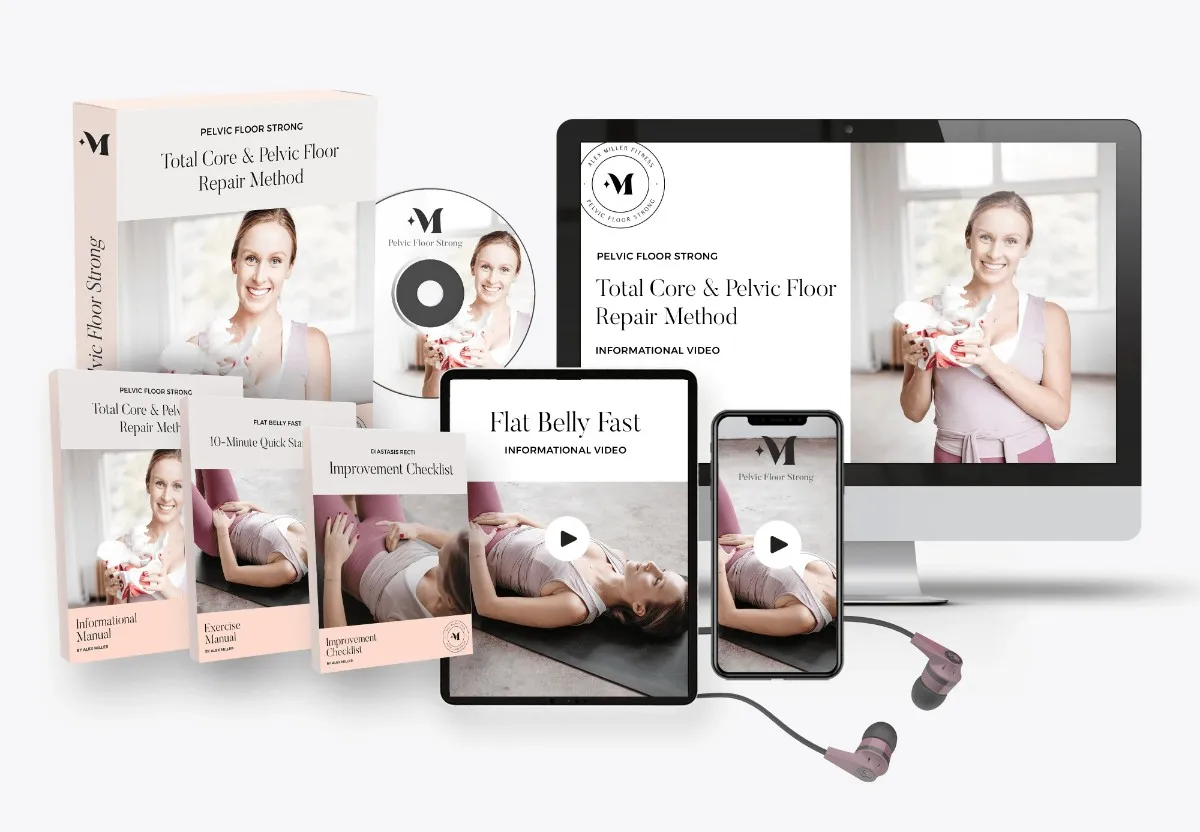
Pelvic floor health has become an increasingly important topic in women’s wellness discussions. Many women experience issues such as core weakness, poor posture, bladder leakage, or reduced stability after pregnancy or with age. As awareness grows, pelvic floor training programs and exercises are gaining popularity as a potential solution.
But a common question remains: Is pelvic floor training really worth the hype?
In this article, we explore what pelvic floor training is, how it works, its benefits, limitations, real-world user feedback, and whether it is truly effective for improving core health and overall well-being.
What Is Pelvic Floor Training?
Pelvic floor training refers to exercises and movement techniques designed to strengthen and improve the function of the pelvic floor muscles. These muscles sit at the base of the pelvis and support essential organs such as the bladder, uterus, and bowel.
Modern pelvic floor programs go beyond traditional Kegel exercises. Instead of focusing only on muscle contraction, they often include:
- Core coordination exercises
- Breathing techniques
- Posture correction
- Gentle movement routines
- Deep abdominal muscle activation
The goal is not just to strengthen one muscle group but to improve how the entire core system works together.
How Pelvic Floor Training Works
The pelvic floor is part of a larger system known as the “core canister,” which includes:
- Pelvic floor muscles
- Diaphragm (breathing muscle)
- Abdominal muscles
- Lower back muscles
When these muscles function properly together, they create stability and balance in the body.
Pelvic floor training focuses on:
- Improving muscle coordination
- Enhancing breathing patterns
- Reducing unnecessary tension
- Strengthening deep core muscles
- Supporting posture and alignment
This integrated approach helps improve overall body function rather than isolating one muscle group.
Benefits of Pelvic Floor Training
1. Improved Core Strength
One of the biggest benefits is stronger core support. A coordinated pelvic floor helps stabilize the spine and improves movement efficiency.
2. Better Bladder Control
Many women report improvement in bladder control after consistent training, especially during activities like coughing, sneezing, or exercising.
3. Enhanced Posture
Pelvic floor training supports spinal alignment and reduces slouching by strengthening deep stabilizing muscles.
4. Better Balance and Stability
A strong core improves balance during walking, lifting, and daily movements.
5. Postpartum Recovery Support
After pregnancy and childbirth, pelvic floor exercises may help restore muscle strength and coordination.
6. Improved Body Awareness
Training helps individuals understand how their core muscles work together, improving movement patterns.
7. Low-Impact and Accessible
Most exercises are gentle and can be done at home without equipment.
Pros of Pelvic Floor Training
- Simple and beginner-friendly
- No equipment required
- Can be done at home
- Supports full core function
- Helps improve posture and balance
- May support bladder control
- Suitable for postpartum recovery
- Low-impact and safe for most women
Cons of Pelvic Floor Training
While pelvic floor training offers many benefits, it also has limitations:
1. Results Take Time
Improvements are gradual and require consistency over weeks or months.
2. Requires Proper Technique
Incorrect form may reduce effectiveness or lead to muscle imbalance.
3. Not a Quick Fix
It is not an instant solution for pelvic health concerns.
4. Individual Results Vary
Different bodies respond differently depending on age, health, and lifestyle.
5. May Not Replace Medical Treatment
Serious pelvic conditions require professional medical care.
Real User Feedback (General Review Summary)
Based on common user experiences shared online and in wellness communities:
Positive Feedback:
Many women report:
- Better core awareness
- Improved posture
- Reduced discomfort during movement
- Slight improvement in bladder control
- Feeling stronger and more stable
Negative Feedback:
Some users mention:
- Slow progress
- Difficulty maintaining consistency
- Confusion about correct technique
- Limited results without proper guidance
Overall, feedback tends to be positive when exercises are performed correctly and consistently.
Is Pelvic Floor Training Worth the Hype?
Pelvic floor training is not a miracle solution, but it is a valuable wellness practice when used correctly.
It works best for individuals who:
- Are consistent with daily practice
- Focus on proper breathing and posture
- Understand that results take time
- Combine it with overall core strengthening habits
It may not provide instant transformation, but it can contribute to long-term improvements in core strength, posture, and pelvic stability.
Who Should Try Pelvic Floor Training?
Pelvic floor training may be helpful for:
- Women experiencing core weakness
- Postpartum women
- Individuals with posture issues
- People with mild bladder leakage
- Those seeking low-impact exercise routines
- Anyone wanting better core stability
However, individuals with severe pelvic pain or medical conditions should consult a healthcare professional before starting.
Tips for Better Results
To get the most out of pelvic floor training:
- Practice consistently
- Focus on breathing techniques
- Maintain good posture
- Avoid over-tightening muscles
- Start slowly and progress gradually
- Be patient with results
Frequently Asked Questions (FAQ)
Q1. Is pelvic floor training effective?
Yes, when done correctly and consistently, it may improve core strength, posture, and bladder control.
Q2. How long does it take to see results?
Most people notice changes within a few weeks to a few months depending on consistency.
Q3. Can beginners do pelvic floor exercises?
Yes, most exercises are gentle and beginner-friendly.
Q4. Is pelvic floor training the same as Kegels?
No. Kegels focus on muscle contraction, while pelvic floor training includes breathing, posture, and full-core coordination.
Q5. Is it safe to do daily?
Yes, daily practice is generally safe for most people, but intensity should be moderate.
Final Verdict
After reviewing pelvic floor training in detail, it is clear that it offers meaningful benefits for core strength, posture, and pelvic health. While it is not a quick fix, it is a practical and low-impact approach that can support long-term wellness.
Don’t Miss Out — Click Here to Check Pelvic Floor Strong Official Details Today
Its effectiveness depends heavily on consistency, correct technique, and realistic expectations. For many women, pelvic floor training is worth trying as part of a broader health and fitness routine.