
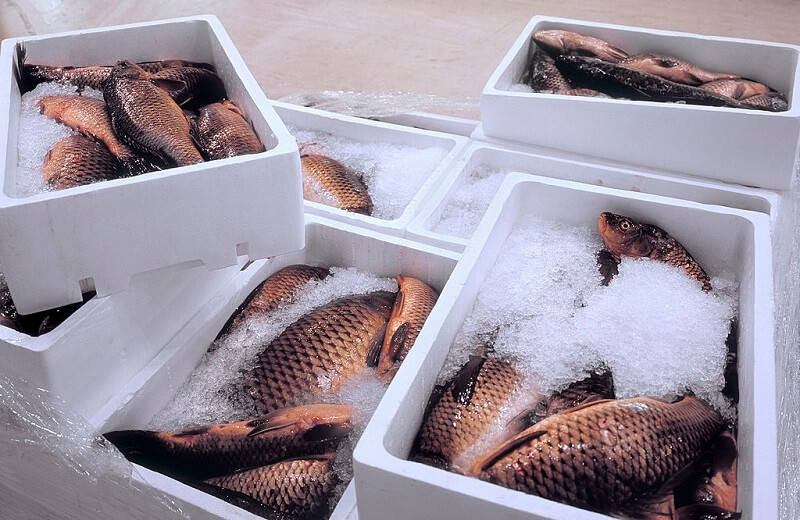
Ordering seafood online has become a practical option for busy households, restaurants, and anyone who wants access to quality fish and shellfish without visiting multiple stores. However, buying seafood remotely requires more attention than ordering many other foods. Freshness, temperature control, packaging, sourcing, and delivery timing can all affect the final quality. A reliable seafood delivery service should make these factors clear so customers can make informed choices.
The biggest challenge is that customers cannot inspect seafood before purchasing it. You cannot easily check the texture of a fillet, smell a whole fish, or examine shellfish through an online product page. That makes it important to understand how seafood should be handled from the moment it is harvested until it reaches your kitchen.
What Makes Seafood Delivery Different?
Seafood is highly perishable. Unlike many packaged grocery products, fresh fish and shellfish require consistent temperature control throughout storage and transportation. Even short periods of improper handling can affect quality and food safety.
Fresh seafood should generally be kept properly chilled, while frozen seafood needs to remain frozen during transportation. Professional suppliers use insulated packaging, cold packs, refrigerated transportation, or a combination of these methods depending on the product and delivery distance.
Product information also matters. A trustworthy supplier should identify the seafood clearly. This may include the species, whether it is wild-caught or farmed, its origin, preparation style, and whether it is fresh or previously frozen.
For example, a customer ordering salmon should know whether the product is fresh Atlantic salmon, wild Pacific salmon, or another variety. These differences can influence flavor, texture, price, and cooking methods.
How to Order Seafood Online Successfully
Choosing seafood online does not have to be complicated. A few practical checks can significantly improve the experience.
1. Understand What You Are Buying
Start by reading the product description carefully. Look for the exact species and cut.
Common options include:
- Whole fish
- Fillets
- Steaks
- Shrimp
- Scallops
- Crab
- Lobster
- Oysters
- Mussels
- Calamari
Consider how you plan to cook the seafood before ordering. Thin fillets work well for quick pan-searing, while thicker cuts may be better for grilling or roasting.
2. Check Fresh or Frozen Status
Fresh and frozen seafood are not automatically better or worse than one another. In some cases, seafood is frozen soon after harvest to preserve its quality. This can be a sensible choice when the product must travel long distances.
If buying fresh seafood, check when it was packed or processed and how quickly it will arrive. If buying frozen seafood, confirm that the supplier uses appropriate packaging to keep it frozen during transit.
3. Examine the Packaging Information
Packaging provides useful clues about how seafood will arrive.
Look for details about:
- Insulated containers
- Gel packs or dry ice where appropriate
- Temperature control
- Sealed packaging
- Delivery schedules
- Handling instructions
A supplier that explains its cold-chain process demonstrates an understanding of seafood’s perishable nature.
4. Plan Delivery Around Your Schedule
Avoid ordering perishable seafood for a day when nobody will be available to receive it.
If possible, choose a delivery window when you can bring the package indoors immediately. This is particularly important during hot weather.
For example, someone working from home might schedule delivery for the morning and refrigerate the seafood as soon as it arrives. Someone who works all day may need a different delivery arrangement.
5. Inspect the Seafood Immediately
Once the package arrives, check its condition before storing it.
For refrigerated seafood, it should feel properly chilled. Frozen products should remain solidly frozen or appropriately cold according to the supplier’s handling instructions.
If the packaging is damaged, leaking, unusually warm, or shows other signs of improper handling, contact the supplier promptly and follow its food-safety guidance.
Choosing Between Different Seafood Options
Not every seafood product suits every meal or budget.
Salmon is popular because it is versatile and works well with baking, grilling, roasting, and pan-searing. Shrimp cooks quickly and can be used in pasta, tacos, rice dishes, salads, and stir-fries.
White fish such as cod and haddock has a mild flavor that works well with simple seasoning. Shellfish can provide richer flavors but often requires more careful preparation.
When comparing products, consider more than price. Portion size, usable meat, preparation time, species, sourcing, and freshness can all affect overall value.
Common Seafood Delivery Mistakes
One common mistake is choosing the cheapest option without examining the product details. A lower price may reflect a different species, smaller portions, frozen status, or different preparation.
Another mistake is ordering too much. Seafood is perishable, so buying large quantities without a storage plan can lead to unnecessary waste.
Customers also sometimes overlook delivery timing. Leaving a seafood package outside for an extended period can create unnecessary food-safety concerns.
Finally, some buyers assume that attractive packaging guarantees quality. Packaging is important, but it should support proper handling rather than replace careful product selection.
Practical Tips for Better Results
Keep seafood refrigerated promptly after receiving it and follow the storage instructions provided with the product. If you do not plan to use seafood soon, freezing it may be appropriate depending on the product and supplier’s recommendations.
When preparing frozen seafood, thaw it safely rather than leaving it at room temperature for long periods. Refrigerator thawing is a practical approach for many products because it keeps the seafood cold while allowing it to gradually defrost.
It is also useful to maintain a simple seafood rotation system at home. If you have several packages in the freezer, label them with the purchase or freezing date. Use older products first rather than allowing them to remain forgotten.
For regular buyers, keep notes about products you enjoyed. Record the species, portion size, cooking method, and supplier. After several purchases, this information can make future ordering much easier.
Conclusion
Good seafood delivery depends on more than getting a package to your doorstep. Product quality, temperature control, packaging, sourcing information, delivery timing, and proper storage all contribute to a successful purchase.
The best approach is to understand exactly what you are ordering, choose products suited to your meals, inspect them when they arrive, and handle them properly afterward. With these habits, ordering seafood online can become a convenient part of meal planning without sacrificing quality or food-safety awareness.