Anyone with curly hair knows frizz is rarely random. It usually shows up after a string of small things that seem harmless at first. A rough towel. Dry winter air. Too much heat. A shampoo that strips the hair clean and leaves it feeling almost squeaky. Curly hair reacts to everything because its structure is already more fragile than straight hair. The bends and coils along each strand make it harder for the scalp’s natural oils to travel evenly, so moisture tends to disappear fast. Once curls lose hydration, they start pulling moisture from the air around them, and that is when the halo of frizz begins creeping in.
Frizz Is Usually a Moisture Problem
A lot of people spend years treating frizz like the problem itself when it is usually a symptom. Dryness is the real issue most of the time. Hair that feels rough, puffy, or undefined is often asking for moisture and less stress. Humidity gets blamed constantly, and fair enough, it does make frizz worse, but healthy curls generally handle humidity better than damaged curls do. Hair with a worn-down cuticle absorbs moisture unevenly, swells unpredictably, and loses definition almost immediately. That is why curls can look great indoors and completely different ten minutes outside.
Everyday Habits That Make Curly Hair Harder to Manage
Some daily habits quietly make things worse without people realizing it. Brushing curls while they are dry is one of the quickest ways to create frizz. Washing too often can strip away the oils that curly hair already struggles to hold onto. Cotton pillowcases pull at the hair overnight, especially if you move around in your sleep. Then there is heat styling, which honestly tends to create a cycle people get stuck in. The hair gets frizzy, so more heat is used to smooth it out, which dries the hair further, and eventually the curls stop behaving the way they used to:
- Brushing dry curls
- Overwashing the hair
- Using high heat too often
- Skipping deep conditioning
- Drying hair aggressively with rough towels
- Using products filled with harsh cleansers
Why Moisture Changes Everything for Curls
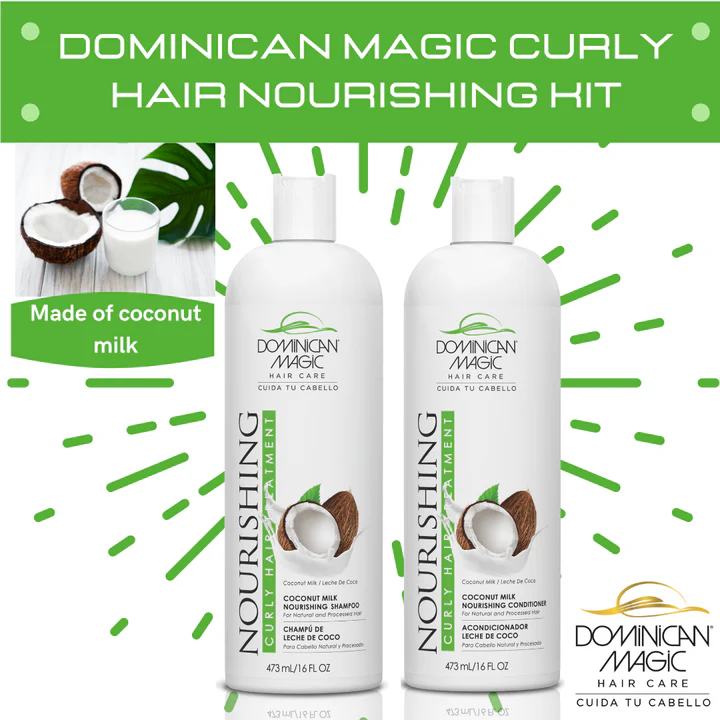
A good curl routine usually becomes simpler once people stop fighting their hair texture. Moisture matters more than perfection. Deep conditioning regularly helps because curls lose water constantly throughout the week, especially in dry climates or during colder months. Leave-in conditioners and lightweight oils can help seal hydration into the hair instead of letting it evaporate a few hours after wash day. This is one reason many people lean toward Dominican hair products that focus heavily on botanical ingredients and richer conditioning formulas. Hair responds differently when it is consistently supported instead of aggressively corrected.
Choosing Better Products for Curly Hair
The ingredients matter more than clever packaging ever will. Aloe vera, avocado oil, coconut milk, and rosemary-based blends tend to work well because they help soften the hair without making curls feel heavy or coated. Products overloaded with drying alcohols or harsh cleansers often give temporary volume at the cost of long-term texture health. Good hair care products for curly hair usually focus less on forcing the curl pattern into place and more on helping the hair hold moisture naturally. That difference sounds subtle, but it changes everything over time.
Healthy Curls Usually Come from Simpler Routines
One thing people rarely talk about is how much patience curly hair requires. Healthy curls are built gradually. There is no dramatic overnight fix, despite what marketing loves to promise. Sometimes the biggest improvement comes from doing less. Less heat. Less touching. Less product layering. Even switching to gentler drying methods can change the way curls sit after a few weeks. Small adjustments stack up quietly until one day the hair feels softer, calmer, easier to predict.
Supporting Curly Hair Without Fighting It
Dominican Magic has built much of its reputation around this idea of nourishment over harsh correction, and honestly, that approach makes sense for textured hair. Curls usually respond better to consistency than intensity. The goal is not perfectly controlled hair that never moves. Real curls do move. They expand in humidity, flatten under hats, and occasionally refuse to cooperate for no obvious reason. That is part of having curly hair. The difference is that healthy curls recover faster and hold their shape better without constant effort.
Conclusion
Frizz will probably never disappear completely, and that is fine. A little texture is normal. What matters is whether the hair feels healthy, hydrated, and manageable instead of brittle and exhausted. With the right routine, thoughtful care, and well-formulated Dominican hair products, curls become easier to work with and far less frustrating day to day. If your hair has been feeling dry, undefined, or difficult to manage lately, this is a good time to rethink your routine and invest in products that actually support curly hair instead of working against it.