
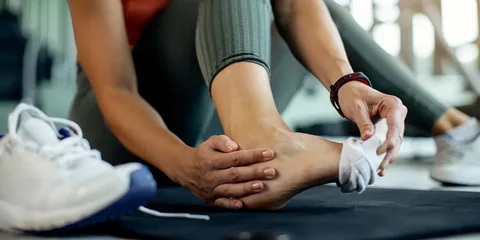
Heel injuries are among the most disruptive conditions an active person can experience. The heel is the foundation of every step, stride, and athletic movement. When it hurts, everything else becomes compromised and difficult to manage. Running, jumping, hiking, and even simple walking become painful ordeals. Active people in particular struggle to accept the limitations imposed by heel pain. Fortunately, modern recovery solutions offer more effective options than ever before.
Why Heel Injuries Are Especially Challenging for Active People
Active individuals face unique challenges when managing heel injuries. Their training schedules, competitive commitments, and psychological identities are tied to physical activity. Being sidelined creates frustration, deconditioning, and emotional distress for these individuals. The temptation to return to training too early is a constant and dangerous risk factor.
Heel injuries also have biological characteristics that complicate recovery. The plantar fascia and Achilles tendon have relatively poor blood supply naturally. Limited vascularity means slower delivery of healing nutrients to injured tissue. Constant weight-bearing throughout the day prevents the heel from fully resting. These factors combine to make heel injuries notoriously resistant to simple rest-based approaches.
Understanding the Most Common Heel Injuries in Active People
Different heel injury types require different recovery approaches and timelines. Identifying the specific condition is the essential first step in effective management.
Plantar Fasciitis
Plantar fasciitis is the most prevalent cause of heel pain in active populations. It involves micro-tears and inflammation of the plantar fascia at its heel attachment. Morning pain that eases with activity and worsens again later is characteristic. Runners, hikers, and people who stand for long periods are most affected. Inadequate footwear, training load errors, and tight calves are common contributing factors.
Insertional Achilles Tendinopathy
Insertional Achilles tendinopathy involves degeneration at the tendon’s attachment to the heel bone. It differs from mid-portion tendinopathy in its location and treatment requirements. Pain at the back of the heel during and after activity is the hallmark symptom. This condition is common in runners who increase training volume too rapidly. Aggressive stretching can aggravate this type of tendinopathy, unlike mid-portion forms.
Heel Fat Pad Syndrome
The heel fat pad provides natural cushioning during weight-bearing activity. With age and repetitive impact, this pad can thin and lose its shock-absorbing capacity. Pain is felt directly under the heel bone during weight-bearing activity. Runners who land heavily on their heels are particularly susceptible to this condition. The loss of natural cushioning requires both external support and targeted rehabilitation.
Stress Fractures of the Calcaneus
Calcaneal stress fractures occur from repetitive mechanical loading on the heel bone. They are less common than soft tissue injuries but more serious in nature. Pain is diffuse and worsens consistently with any weight-bearing activity. Military recruits, distance runners, and dancers are high-risk populations for this injury. Imaging confirmation with MRI is essential before beginning any rehabilitation program.
Modern Recovery Solutions for Heel Injuries
The landscape of heel injury recovery has improved dramatically in recent years. Active people now have access to a range of evidence-based and minimally invasive solutions.
Shockwave Therapy
Extracorporeal shockwave therapy is one of the most impactful modern treatment options. It uses acoustic sound waves to stimulate blood flow and cellular repair in damaged tissue. Shockwave therapy is particularly effective for chronic plantar fasciitis and Achilles tendinopathy. Multiple randomized controlled trials support its effectiveness for stubborn heel pain. Most patients require three to five sessions spaced one week apart.
The treatment targets the specific area of tissue damage with precision energy delivery. It stimulates the production of growth factors that drive tissue regeneration and repair. Patients experience a transient intensification of symptoms in the first week post-treatment. This is a normal part of the biological response and typically resolves quickly. Long-term outcomes from shockwave therapy are consistently positive in clinical literature.
Dry Needling
Dry needling involves inserting fine acupuncture-like needles into hyperirritable muscle points. These trigger points in the calf and intrinsic foot muscles contribute to plantar fascia tension. Releasing these trigger points reduces the mechanical load on the injured heel structures. The technique stimulates local circulation and modulates pain signal processing centrally. Many patients experience immediate pain reduction following a dry needling session.
Active individuals tolerate dry needling well because it does not require post-session rest. Sessions take between 15 and 30 minutes and are typically well-tolerated. It is often combined with stretching and strengthening exercises for maximum benefit. Dry needling is increasingly available at sports physiotherapy and chiropractic clinics. It represents a valuable addition to comprehensive heel injury management programs.
Custom Orthotics and Advanced Footwear Solutions
Modern orthotic technology has advanced significantly over the past several years. 3D foot scanning creates precise digital models used to fabricate fully custom orthotics. These devices correct the specific biomechanical abnormalities contributing to each patient’s heel injury. Overpronation, supination, leg length discrepancy, and arch collapse are all addressable. Custom orthotics reduce abnormal tissue loading during every step throughout the day.
Advanced athletic footwear with superior midsole cushioning also plays a therapeutic role. Carbon-fiber plate shoes and energy-return foams reduce impact forces on the heel. Some active patients achieve significant relief simply by upgrading their footwear appropriately. A gait analysis from a qualified professional helps identify the most suitable footwear type. Combining footwear improvement with orthotics maximizes the biomechanical support available.
Platelet-Rich Plasma Injections
Platelet-rich plasma therapy is a regenerative medicine approach to heel injury recovery. It involves drawing a small sample of the patient’s own blood. The blood is then centrifuged to concentrate the growth factor-rich platelet component. This concentrated plasma is injected directly into the site of tissue damage. The growth factors stimulate natural tissue repair and regeneration processes.
PRP injections are most commonly used for chronic plantar fasciitis resistant to conservative care. Research evidence for PRP in plantar fasciitis is growing and generally positive. Active patients appreciate the biological, non-pharmaceutical nature of this intervention. It is typically performed as an outpatient procedure with minimal downtime required. Most patients undergo one to three injections spaced several weeks apart.
Progressive Loading Rehabilitation
Modern rehabilitation science emphasizes controlled, progressive loading of injured tissues. The outdated advice of complete rest has been replaced by strategic loading protocols. Tendons and fascia strengthen and remodel in response to appropriately dosed mechanical stress. Complete unloading causes tissue weakening and does not drive the remodeling needed for recovery.
Isometric exercises in the early phase reduce pain while maintaining tissue engagement. Eccentric loading protocols are progressively introduced as pain allows advancement. Heavy slow resistance exercises in later phases drive tendon remodeling most powerfully. Sport-specific loading is reintroduced systematically in the final rehabilitation phase. This evidence-based loading progression is central to modern heel injury recovery success.
Accessing Expert Heel Injury Care
Modern recovery solutions are most effective when guided by qualified clinical professionals. A specialist who provides comprehensive Heel injury treatment will accurately diagnose your specific condition, identify your contributing biomechanical factors, and design a personalized recovery plan using the most appropriate modern interventions.
Imaging studies confirm the diagnosis and rule out serious structural complications. Diagnostic ultrasound allows real-time visualization of plantar fascia and tendon pathology. Gait analysis identifies the mechanical factors perpetuating the injury throughout recovery. A multi-modal treatment plan addressing all contributing factors produces the fastest outcomes. Professional oversight ensures that the right tools are applied at the right time.
Staying Active During Recovery
Active people can maintain fitness during heel injury recovery with strategic planning. Pool running and lap swimming maintain cardiovascular fitness with minimal heel loading. Cycling on a stationary bike is generally well-tolerated during plantar fasciitis recovery. Upper body resistance training maintains overall strength without aggravating the heel. These modifications allow active individuals to return to sport at a higher fitness level.
Psychological wellbeing during injury recovery also requires active management. Maintaining connection to the athletic community through coaching or spectating helps. Setting realistic recovery milestones provides motivation and a sense of progress. Celebrating incremental improvements maintains positive momentum throughout the healing process. A healthy mindset during recovery is associated with better adherence and faster outcomes.
Conclusion
Modern heel injury recovery solutions offer active people genuine hope for fast and complete recovery. Shockwave therapy, dry needling, PRP, orthotics, and progressive loading represent powerful options. Each addresses different aspects of the complex heel injury recovery process. Access to qualified professionals who integrate these modern tools is essential. With the right combination of targeted interventions and consistent effort, active people return to what they love quickly and safely.