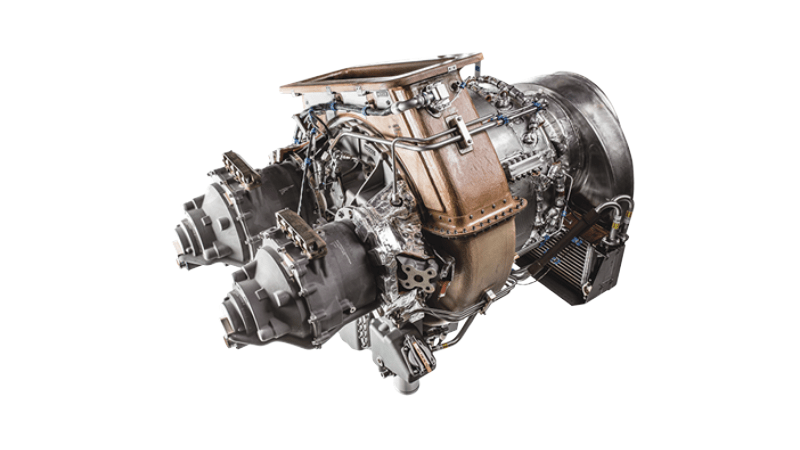
For the operators still flying the Boeing 747-400, and especially the freighter fleets that keep global cargo moving, availability is everything. These aircraft earn their keep on the ramp turning tonnage, not sitting on the ground waiting for an auxiliary power unit. When the APU comes off wing for a shop visit or an unexpected removal, the clock starts immediately. An overhauled PW901A exchange unit is one of the most effective ways to keep a 747-400 freighter earning while its own unit is out of service.
Why the APU Is a Freighter Availability Bottleneck
The auxiliary power unit provides the electrical and pneumatic power that a parked 747-400 relies on for main-engine starts, environmental control, and ground operations. On a freighter, ground time is production time, and a removal without a plan turns a routine maintenance event into lost revenue. Because the 747-400 fleet is mature, serviceable spares do not sit on every shelf, and a unit sourced reactively at the point of need can add days to a removal. That gap between removal and replacement is precisely where availability leaks away.
How an Exchange Unit Protects Uptime
An exchange transaction is built for exactly this situation. Instead of waiting for your own unit to complete its shop visit, you install a ready overhauled asset and send yours in behind it. The aircraft returns to service on the exchange unit’s timeline, not the shop’s. For a freighter operator, that decoupling of aircraft availability from shop turnaround time is the whole point. It converts a potentially open-ended ground event into a controlled swap measured in hours where inventory sits nearby.
The incoming unit has to be genuinely ready. An overhauled asset with a fresh maintenance release, verified limiter status, and complete trace documentation can go on wing with confidence. A unit with murky paperwork or a limiter near its ceiling shifts the problem downstream.
What to Verify Before You Accept the Exchange Unit
Before technical acceptance, confirm the essentials on the incoming asset. Check Time Since Overhaul and Cycles Since Overhaul to understand how much of the fresh shop visit remains. Review the life-limited part status and identify the limiter, the component with the least remaining cyclic life, because that part sets how long the unit will serve before its next major event.
The documentation package matters just as much. A properly supported exchange unit should arrive with an FAA or EASA Form 8130-3, full ATA 106 ownership trace, a non-incident statement, and current Airworthiness Directive compliance records. Complete paperwork allows the installation to proceed without the aircraft waiting on the ground for missing records or an unresolved compliance question.
Managing the Aging-Fleet Supply Reality
The practical challenge with the 747-400 is that mature-platform units are getting harder to source on short notice. Supply of both the PW901C and earlier variants is tighter than it was a decade ago, and freighter operators can no longer assume a unit will be available the day they need it. The operators who protect availability best identify a supply source before a removal happens, not at the moment of need. Establishing a relationship with a direct owner of PW901A inventory turns a reactive scramble into a planned, repeatable event.
Confirm Configuration Alongside Condition
One detail worth confirming during any exchange is that the incoming unit matches your airframe configuration. The 747-400 family has flown in passenger, combi, and dedicated freighter variants. Confirm whether your installation calls for the PW901C or an earlier variant, and verify part number compatibility against your specific tail before acceptance. A mismatch discovered on the ramp is an avoidable delay, so verifying configuration alongside lifecycle data keeps the acceptance tight.
Keep the Freighter Flying
For a 747-400 freighter, the difference between a managed APU removal and an extended ground event comes down to whether a ready exchange unit is available when you need it. An overhauled asset with verified limiter status and complete documentation lets you install with confidence and return the aircraft to revenue service on your timeline rather than the shop’s.
The operators who stay ahead of this line up an exchange source before the removal, verify Time Since Overhaul and limiter life, confirm the documentation package, and match configuration to the airframe. Doing that work early keeps cargo moving and keeps a hard-working aircraft producing revenue instead of absorbing it on the ground.