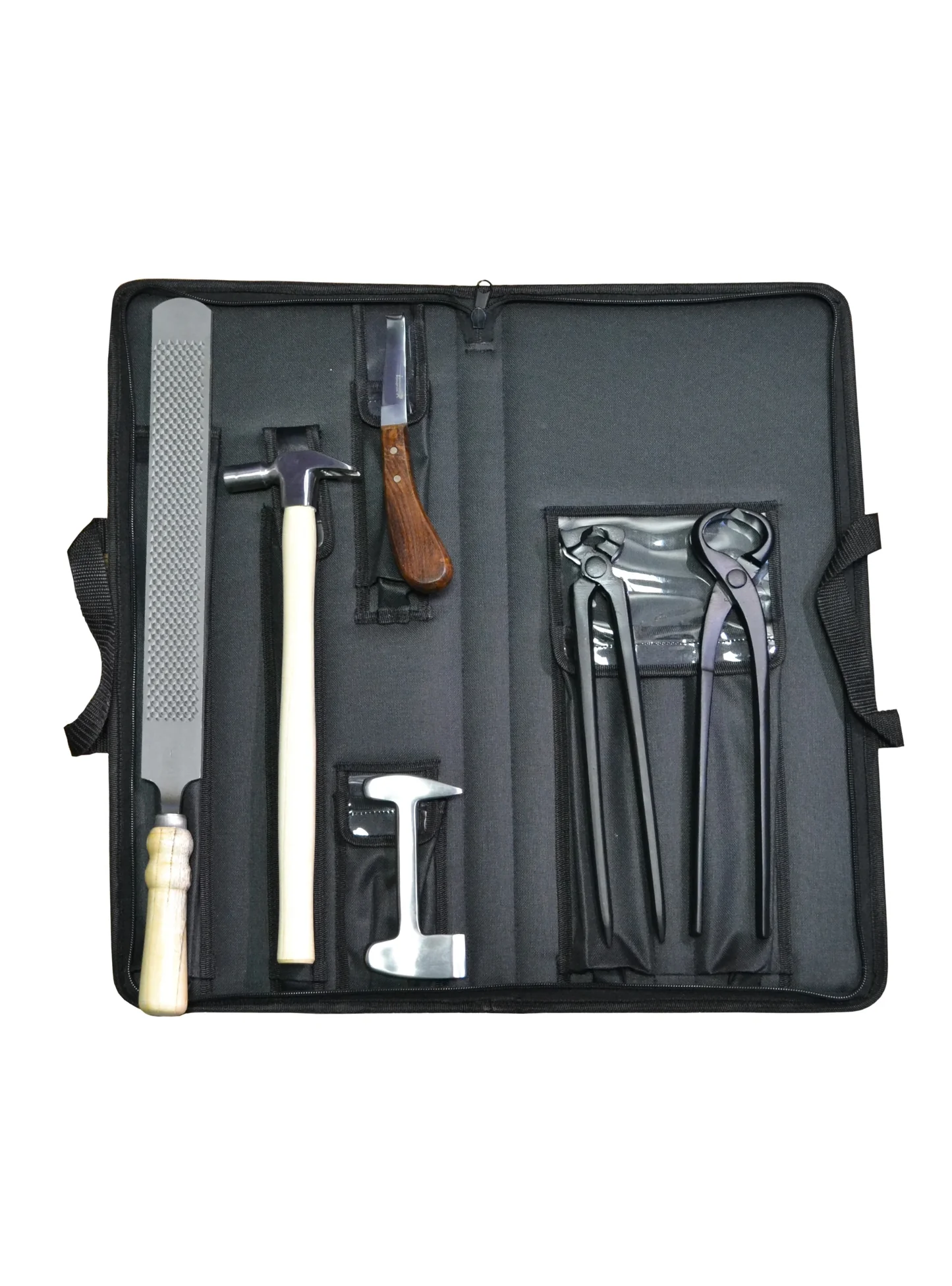
Selecting the right Farrier Tool Kit is essential for delivering consistent, high-quality hoof care. Whether you are an experienced professional or just starting out, your daily toolkit directly impacts efficiency, precision, and the overall well-being of the horse. With so many options available in 2026, choosing the right combination of tools requires a clear understanding of your needs, work environment, and long-term goals.
Understanding Your Daily Requirements
Type of Work
Before selecting a kit, consider the type of services you provide. Routine trimming, corrective shoeing, and therapeutic work all require different tools. A farrier handling basic trims may need a simpler kit, while advanced work demands specialized equipment.
Work Environment
Your working conditions also matter. Mobile farriers need lightweight, portable kits, while those working in a fixed location can invest in heavier, more comprehensive setups.
Essential Tools in a Daily Farrier Kit
Hoof Knife and Nippers
A high-quality hoof knife is necessary for cleaning and shaping the frog, while nippers handle trimming the hoof wall. These tools should be sharp, durable, and comfortable to use for long periods.
Rasp and Clinchers
A rasp smooths and levels the hoof after trimming, ensuring balance and precision. Clinchers are used to secure horseshoe nails, making them essential for shoeing tasks.
Hammer and Pullers
A reliable hammer is needed for shaping and driving nails, while horseshoe pullers help remove old shoes safely without damaging the hoof.
Key Features to Look For
Durability and Material
Tools made from high-grade steel offer better performance and longer life. Investing in durable equipment reduces the need for frequent replacements.
Ergonomic Design
Comfort is crucial for daily use. Tools with ergonomic handles reduce strain on the hands and wrists, allowing farriers to work efficiently without fatigue.
Portability
A well-organized, portable toolbox makes transportation easier, especially for farriers who travel between locations. Look for compact designs with secure compartments.
Modern Enhancements in 2026
Hoof Stands and Support Tools
Hoof stands improve posture and reduce physical strain, making them a valuable addition to any daily kit. They also enhance stability during trimming and shoeing.
Portable Forges
For farriers who shape shoes on-site, compact forges provide flexibility and efficiency. Modern designs are lighter, safer, and more fuel-efficient.
Tool Organization Systems
Advanced storage solutions help keep tools accessible and protected. Organized kits save time and improve workflow during busy schedules.
Budget vs. Quality Considerations
Investing Smartly
While budget is an important factor, prioritizing quality ensures better results and long-term savings. Cheap tools may wear out quickly and compromise performance.
Building Your Kit Over Time
Instead of buying everything at once, consider building your kit gradually. Start with essential tools and add specialized equipment as your needs grow.
Maintenance and Care
Regular Inspection
Check your tools regularly for signs of wear or damage. Early detection helps prevent accidents and maintains efficiency.
Cleaning and Sharpening
Clean tools after each use and keep blades sharp. Proper maintenance not only extends tool life but also ensures consistent performance.
Conclusion
Choosing the right farrier equipment kit for daily use is a crucial step in building a successful and efficient practice. By focusing on essential tools, durability, ergonomics, and modern innovations, farriers can create a kit that meets their specific needs. Investing in quality equipment and maintaining it properly ensures better performance, improved horse care, and long-term professional success.