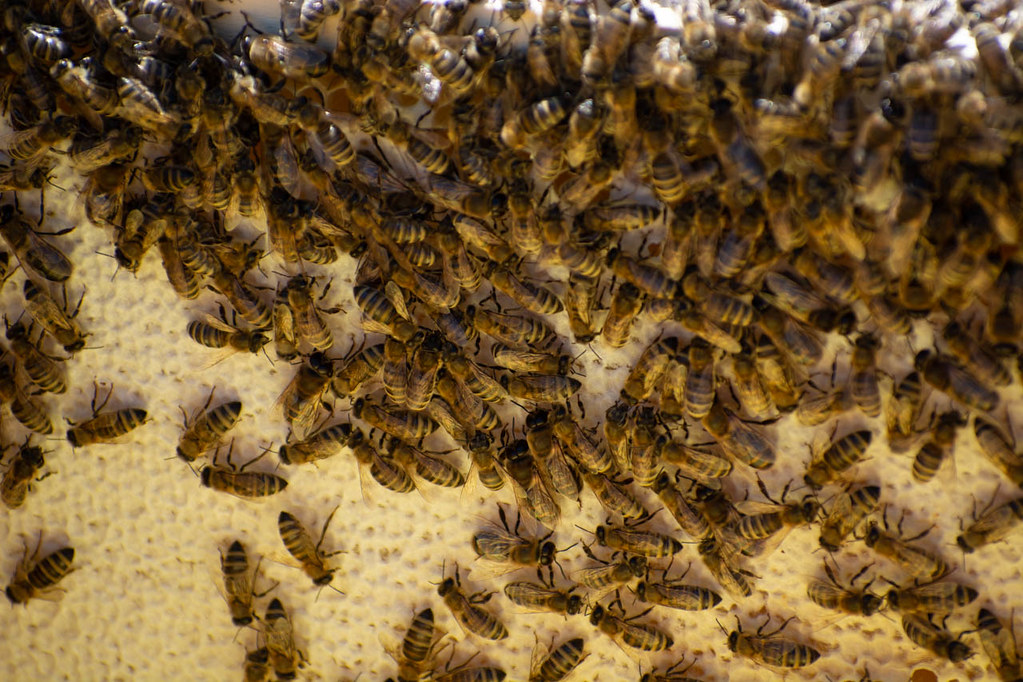
Many homeowners become concerned after noticing increased insect activity emerging directly from the soil in gardens, lawns, or near walkways. Small holes scattered across the yard often lead people to assume dangerous infestations are developing beneath the surface. In many cases, however, these insects are ground bees, a group of pollinators that naturally nest underground and contribute significantly to local ecosystems. Understanding their behavior helps homeowners respond calmly and responsibly while maintaining safe outdoor spaces.
Ground bees typically choose dry, loose soil for nesting because these conditions allow easier tunnel construction and protection from moisture accumulation. Lawns with thin grass coverage, sunny patches, or recently disturbed soil often become attractive nesting areas during warmer seasons. Although the sudden appearance of numerous small openings may seem alarming, most nesting activity remains temporary and seasonal rather than permanent.
Unlike aggressive colony-forming species, many ground-nesting pollinators are solitary by nature. Each female creates her own tunnel and nesting chamber independently rather than contributing to a massive shared hive structure. Because these nesting patterns differ from more familiar honeybee colonies, homeowners often misunderstand the risks associated with their presence.
Are Ground Bees Truly Dangerous to Humans?
One of the most common questions homeowners ask involves whether ground bees pose a serious threat to people or pets. The answer depends largely on the species involved, environmental conditions, and how humans interact with nesting areas. In most situations, ground bees are considered relatively nonaggressive compared to other stinging insects because their primary focus involves nesting and pollination rather than territorial defense.
Female ground bees possess stingers, yet they rarely sting unless directly threatened or handled aggressively. Unlike social colony insects that protect large communal hives, solitary nesting species generally avoid confrontation whenever possible. Male bees, which are often more visible hovering near nesting sites, cannot sting at all despite their intimidating flight patterns. This distinction surprises many homeowners unfamiliar with ground-nesting behavior.
Although stings remain uncommon, accidental contact can still occur if nesting areas are disturbed repeatedly. Walking barefoot across active nesting zones, digging directly into tunnels, or attempting improper removal methods may provoke defensive reactions from females protecting their nests. For individuals with allergies to insect stings, even rare encounters may present more serious health concerns requiring caution and professional guidance.
Pets and children occasionally increase the likelihood of accidental disturbance because they naturally explore outdoor environments without recognizing nesting activity. Dogs digging in loose soil or children playing near active burrows may unintentionally trigger defensive responses. However, even in these situations, most ground bees prefer retreating into tunnels rather than engaging aggressively.
Common Signs and Seasonal Patterns of Ground Bee Activity
Recognizing the signs of ground bee activity helps homeowners distinguish normal seasonal nesting from more serious structural or pest-related concerns. Because underground pollinator behavior differs significantly from traditional hive formation, many people initially misinterpret what they observe in lawns and gardens. Learning these patterns supports earlier identification and more effective management strategies.
One of the most recognizable signs involves small circular holes appearing across dry patches of soil. These openings often resemble tiny tunnels surrounded by loose dirt mounds created during excavation. Unlike ant hills, the entrances remain relatively clean and organized without large piles of debris scattered around the area.
Increased insect flight near the ground represents another common indicator. During warmer daylight hours, homeowners may notice bees hovering low above specific sections of the yard before disappearing into soil openings. This concentrated activity often becomes most noticeable during spring and early summer when nesting cycles intensify.
Homeowners sometimes notice pollinator activity increasing near patios, sidewalks, or playground edges where soil remains compact yet accessible. In these cases, concerns about safety and repeated human interaction may justify closer evaluation. Individuals uncertain about species identification or nesting severity often consult specialists experienced in humane relocation practices and environmental assessment.
Residents seeking safe and environmentally conscious solutions frequently contact bee removal service in Universal City, LA when persistent nesting occurs near family activity zones or high-traffic outdoor spaces. Professional evaluation helps determine whether relocation, prevention, or simple monitoring represents the most appropriate response for the situation.
Awareness of seasonal behavior patterns reduces unnecessary panic while helping homeowners respond appropriately. Understanding when and where activity typically occurs allows individuals to distinguish temporary pollinator nesting from more serious infestations requiring intervention.
Prevention Strategies for Reducing Nesting Around Homes
Preventing ground bee activity begins with understanding the environmental conditions that attract nesting pollinators in the first place. Because these insects seek dry, sheltered soil for tunnel construction, homeowners can reduce the likelihood of nesting by maintaining landscapes carefully and minimizing favorable conditions around high-traffic areas. Long-term prevention relies on consistency rather than aggressive chemical treatments.
Healthy lawn maintenance remains one of the most effective preventive strategies. Thick, well-watered grass creates denser root systems and soil coverage that discourage underground nesting activity. Bare patches should be reseeded promptly because exposed soil often becomes an attractive location for tunneling during nesting seasons.
Irrigation management also influences nesting behavior significantly. Ground bees generally prefer dry soil because moisture weakens tunnel stability. Regular watering, particularly during peak nesting periods, may reduce attraction to certain areas while supporting healthier lawn conditions overall. However, excessive watering should still be avoided to prevent unrelated landscaping issues.
Mulching garden beds and exposed soil areas helps limit suitable nesting spaces as well. Organic mulch creates barriers that reduce direct soil exposure while improving moisture retention and overall landscape appearance. Decorative stones or ground cover plants may also reduce access to loose soil in vulnerable sections of the property.
Routine inspections contribute greatly to prevention success. Homeowners should examine yards regularly for small holes, increased insect movement, or soil disturbances indicating early nesting activity. Identifying problems during initial stages allows for faster intervention before colonies expand or become concentrated near recreational areas.
Responsible Management and Long-Term Homeowner Awareness
As awareness surrounding pollinator conservation continues growing, homeowners increasingly seek balanced approaches to managing ground bee activity around residential properties. Responsible management involves understanding when intervention is truly necessary, how to maintain safe environments, and why humane practices often represent the most effective long-term solutions.
One of the most important aspects of responsible management involves avoiding panic-driven reactions. Many homeowners instinctively reach for chemical sprays or attempt aggressive removal methods immediately after discovering nesting activity. However, these approaches may harm beneficial pollinators unnecessarily while potentially increasing risks through defensive insect behavior. Calm observation and informed assessment generally produce safer outcomes.
Professional guidance becomes especially valuable when nesting occurs near playgrounds, patios, entryways, or areas frequently used by children and pets. Experienced specialists can identify species accurately, evaluate risks realistically, and recommend solutions aligned with both safety and environmental preservation. In many cases, simple monitoring or habitat modification proves more appropriate than extensive removal procedures.