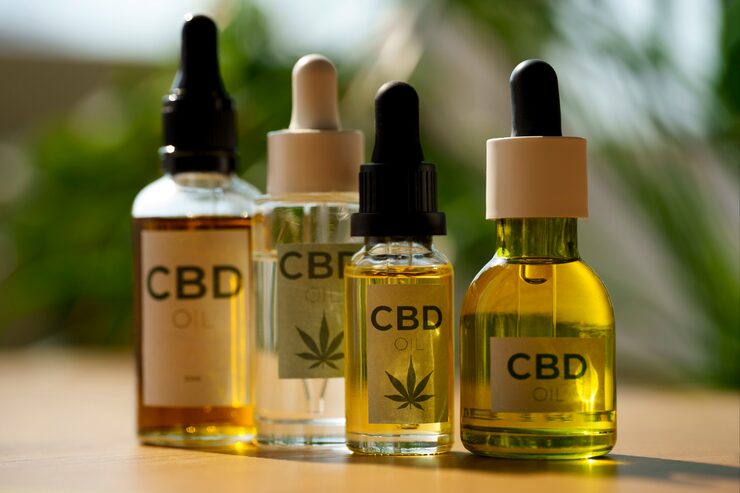
The wellness industry has experienced remarkable growth over recent years, with cannabidiol becoming one of the most discussed ingredients among health-conscious consumers. As interest in hemp-derived wellness products continues increasing, buyers now encounter an overwhelming variety of oils, gummies, capsules, beverages, topicals, and tinctures available across retail shelves and online marketplaces. While the expanding market creates more choices, it also makes understanding every CBD product label increasingly important for informed purchasing decisions.
Many consumers initially focus on branding, packaging design, or flavor preferences when shopping for wellness items. However, the true value of a CBD product often lies in the information printed directly on the label. This information provides insight into potency, cannabinoid composition, serving recommendations, ingredient quality, sourcing practices, and testing standards. Learning how to interpret these details allows consumers to evaluate products more confidently and avoid confusion within a rapidly evolving industry.
CBD labeling serves several important purposes beyond simple marketing. Accurate labels help individuals understand what they are consuming, how much cannabidiol each serving contains, and whether additional ingredients align with personal wellness goals. Labels also contribute to transparency by providing manufacturing details and third-party testing information that demonstrate accountability and quality assurance.
Decoding Cannabinoid Content and Potency Information
One of the most important sections on any CBD product label involves cannabinoid content and potency details. These figures help consumers understand how much cannabidiol is present within the product and how servings are measured. Unfortunately, potency information often causes confusion because labels may present numbers in multiple formats that appear overwhelming to new buyers.
Most labels display total cannabidiol content measured in milligrams. This figure represents the overall amount of CBD contained within the package rather than the quantity available per serving. For example, a bottle may contain 1000 milligrams of cannabidiol in total while providing smaller measured amounts in each individual serving. Understanding this distinction helps consumers evaluate concentration levels more accurately.
Serving size information is equally important because it clarifies how much cannabidiol is intended for one use. Oils and tinctures may calculate servings by dropper volume, while gummies and capsules generally specify cannabinoid content per piece. Reading these measurements carefully allows consumers to develop more consistent wellness routines and avoid unintended overconsumption.
Labels may also indicate whether the product contains full-spectrum, broad-spectrum, or isolated cannabidiol. Full-spectrum formulations include multiple naturally occurring cannabinoids and plant compounds, while broad-spectrum products remove detectable THC but preserve additional hemp-derived compounds. Isolate formulations contain purified cannabidiol without broader cannabinoid profiles. Understanding these distinctions helps consumers choose products aligned with their comfort levels and wellness preferences.
Consumers exploring specialized wellness options, including CBD tinctures in Pinellas Park, frequently compare cannabinoid concentrations, serving structures, and formulation styles to determine which products best support their individual routines. This growing attention to label details reflects increasing consumer awareness regarding ingredient transparency and responsible wellness practices.
Evaluating Ingredients and Product Transparency
Beyond cannabinoid content, ingredient lists provide valuable insight into the overall quality and formulation integrity of a CBD product. Many consumers initially overlook these sections, assuming cannabidiol represents the only ingredient worth considering. In reality, supporting ingredients significantly influence taste, texture, shelf stability, absorption, and overall wellness compatibility.
Carrier oils are among the most common ingredients found in tinctures and infused products. Hemp seed oil, coconut-derived MCT oil, olive oil, and other natural carriers help distribute cannabinoids evenly while supporting absorption. Understanding the purpose of these ingredients helps consumers identify products that align with dietary preferences or wellness priorities.
Flavoring agents and sweeteners also deserve careful attention. Some manufacturers prioritize natural flavor sources and minimal processing, while others rely heavily on artificial additives or excessive sweeteners. Consumers seeking cleaner wellness experiences often evaluate ingredient simplicity when comparing products. Transparent brands typically present ingredient lists clearly and avoid unnecessary complexity.
Organic certifications and sourcing details further contribute to transparency. Labels indicating organically grown hemp or responsibly sourced ingredients often appeal to consumers prioritizing environmental awareness and agricultural quality standards. Although certifications vary between regions and manufacturers, reputable companies generally provide clear information regarding cultivation and extraction practices.
Extraction methods occasionally appear on labels or associated packaging materials as well. Carbon dioxide extraction, commonly referred to as CO2 extraction, is widely regarded as a clean and efficient method for isolating cannabinoids while preserving plant integrity. Understanding extraction terminology allows consumers to evaluate manufacturing approaches more effectively and identify brands emphasizing product purity.
Understanding Third-Party Testing and Certificate Verification
Third-party testing represents one of the most important indicators of quality and credibility within the CBD industry. Independent laboratory analysis helps confirm cannabinoid accuracy, ingredient consistency, and product safety while providing consumers with objective information beyond manufacturer claims. Learning how to interpret testing details allows buyers to evaluate products more confidently and responsibly.
Most reputable CBD product labels include references to Certificates of Analysis, commonly abbreviated as COAs. These documents summarize laboratory findings related to cannabinoid content, contaminant screening, and product composition. Some companies provide QR codes directly on packaging, allowing consumers to access laboratory reports quickly through mobile devices.
Cannabinoid verification is one of the primary functions of third-party testing. Laboratories measure whether the actual cannabidiol concentration matches the amounts stated on the label. Accurate potency reporting supports consistency and helps consumers establish reliable wellness routines without uncertainty regarding serving strength.
Contaminant testing is equally important because hemp plants naturally absorb substances from soil and surrounding environments. Independent laboratories screen for heavy metals, pesticides, residual solvents, microbial contaminants, and other potentially harmful substances. Products that pass these evaluations demonstrate stronger commitments to consumer safety and manufacturing accountability.
Dates associated with testing reports should also be reviewed carefully. Current and updated laboratory documentation indicates active quality control practices rather than outdated or recycled reporting. Reliable brands maintain ongoing testing procedures for each production batch rather than relying solely on generalized laboratory claims.
Building Confidence and Expertise When Choosing CBD Products
Becoming confident in reading CBD labels requires patience, curiosity, and a willingness to prioritize education over marketing trends. The wellness market continues expanding rapidly, introducing new formulations, terminology, and product categories each year. Consumers who invest time in understanding labels gain valuable skills that support safer, more intentional purchasing decisions over the long term.
One of the most effective strategies for building expertise involves comparing multiple products side by side. Evaluating cannabinoid content, serving sizes, ingredient lists, and testing information across different brands helps consumers recognize meaningful distinctions between products. Over time, these comparisons create stronger familiarity with industry standards and labeling practices.
Consistency also plays an important role in developing confidence. Individuals who maintain structured wellness routines often become more aware of how specific formulations align with their personal preferences and lifestyle goals. Tracking experiences with different products helps consumers identify qualities they value most, whether related to flavor, potency, ingredient simplicity, or overall wellness support.
Education should remain ongoing because industry standards and consumer expectations continue evolving. Reputable brands frequently update packaging practices, testing procedures, and ingredient transparency in response to changing regulations and growing consumer awareness. Staying informed allows individuals to navigate the market more effectively while avoiding confusion created by misleading or incomplete labeling.