Your skin barrier does more than most people think. It holds moisture in and helps your skin stay calm and balanced. When this barrier gets damaged, your skin reacts fast. You may notice redness, tightness, or sudden breakouts. Many people damage their barrier without realizing it. Over-cleansing and using too many products are common reasons.
The good news is that your skin can recover with the right care. You do not need harsh treatments. A few smart changes can help your skin feel healthy again. Using a good skin barrier repair serum can also support faster recovery and reduce irritation over time. In this article, we’ve covered signs of a damaged skin barrier and ways to help your skin feel healthy again.
Top 5 Expert Steps to Repair a Broken Skin Barrier and Reset Your Complexion
A damaged skin barrier needs consistency. Your goal is to calm the skin and help it hold moisture again. These expert-backed steps can help your skin recover.
1. Stop Using Harsh Active Ingredients for a Few Weeks
Your skin cannot heal when it is constantly irritated. Strong exfoliants and harsh treatments can create tiny breaks in the barrier. Many people add more products when their skin reacts, which can make the damage worse.
Retinol, strong acids, and scrubs can strip away natural oils that protect your skin. This leaves your complexion feeling raw and sensitive. Your skin needs a short recovery phase before you slowly bring active ingredients back.
Here’s what you should pause during barrier repair:
- Strong AHAs and BHAs
- Retinol and retinal products
- Physical scrubs with rough particles
- High-strength vitamin C formulas
- Alcohol-heavy toners
Removing these products gives your skin time to calm down. You may notice less burning within days. You can slowly add active ingredients once your skin feels stable again.
2. Switch to a Gentle Cleanser
A damaged barrier often starts with over-cleansing. Many face washes remove more oil than needed. But, clean skin should feel comfortable, not tight or squeaky.
Hot water weakens your skin’s protective layer. This makes moisture escape faster and leaves your face feeling dry. But, a gentle cleanser helps protect the barrier while still removing dirt.
Here are a few things to look for in a barrier-friendly cleanser:
- Fragrance-free formula
- Cream or gel texture
- Low-foam wash
- pH-balanced ingredients
- No harsh sulfates
A softer cleansing routine can improve your skin faster. So, wash your face for only 30 to 40 seconds. Also, your skin should feel calm after cleansing.
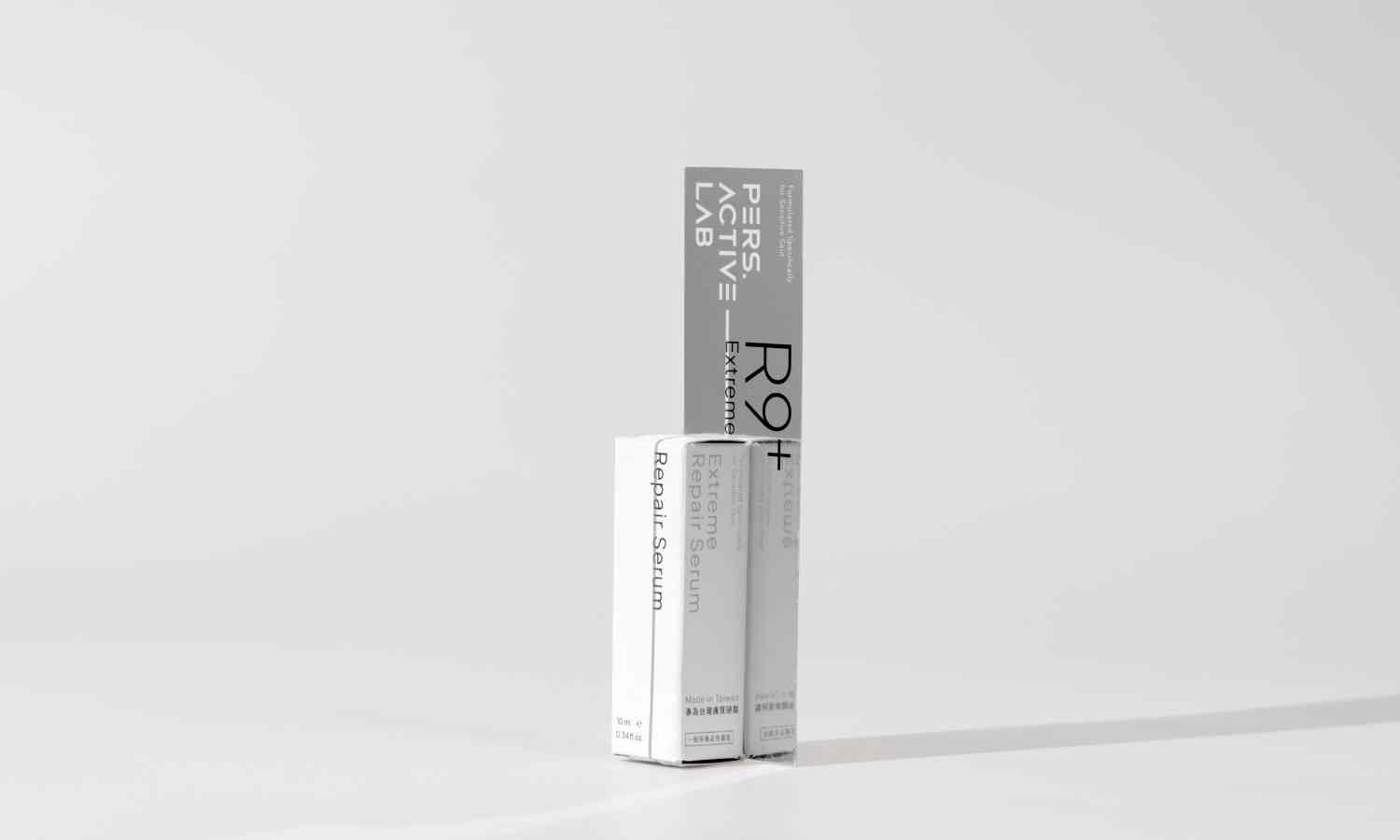
3. Use a Skin Barrier Repair Serum Daily
A skin barrier repair serum helps restore damaged skin as your skin struggles to defend itself from irritants when your barrier is weak. A good serum supports repair while reducing dryness.
Many repair serums contain barrier-strengthening ingredients. Also, these ingredients work best when used consistently every day. Lightweight formulas are often easier for irritated skin to tolerate.
Here’s what to look for in a skin repair serum:
- Ceramides to support barrier strength
- Niacinamide to reduce redness
- Panthenol for soothing hydration
- Hyaluronic acid for water retention
- Squalane to soften dry skin
Apply your serum on slightly damp skin and follow it with a simple moisturizer to lock everything in. Too many serums can slow recovery. So keep your routine simple.
4. Moisturize Your Skin Properly
Barrier damage often causes invisible water loss from the skin. Even oily skin can become dehydrated with weak barrier but a good moisturizer helps seal cracks in the surface.
Many people skip moisturizer in hot weather, but damaged skin still needs rich hydration as consistent hydration helps your skin repair faster.
These habits can help your moisturizer work better:
- Apply moisturizer right after washing
- Use cream formulas instead of light lotions
- Reapply dry areas during the day if needed
- Add a thin layer before bed
- Avoid products with strong fragrance
Very dehydrated skin may feel greasy at first but that feeling often settles as the barrier heals as well-moisturized skin usually becomes less reactive over time.
5. Protect Your Skin From Heat and Sun Exposure
Sun exposure can slow barrier recovery more than people realize. UV rays increase inflammation already damaged skin. Heat can also make sensitive skin feel worse.
Even indoor heat and long hot showers can affect recovery. Your skin heals better in a stable environment. Daily protection helps prevent new damage while your barrier repairs itself.
Focus on these protective habits every day:
- Use SPF 30+ sunscreen
- Avoid afternoon sun
- Use lukewarm water
- Take short showers
- Wear hats outdoors
Consistent protection matters more than expensive treatments. But, many people see less irritation once they reduce UV exposure. Healthy skin recovery depends on protecting your barrier while it heals.
Signs Your Skin Barrier Is Healing
Your skin usually heals slowly, not overnight. The first signs are often small but noticeable. Your face may start feeling more comfortable during the day. Simple things like washing your face or applying moisturizer may stop causing irritation.
As your barrier becomes stronger, your skin starts holding moisture better. Redness and dryness may also reduce little by little. Texture often becomes smoother as the skin repairs itself.
Here are some common signs that your skin barrier is improving:
- Less tightness after cleansing
- Reduced redness and stinging
- Softer dry patches
- Smoother skin texture
- Better moisture retention
- Less burning from skincare products
- Makeup applying more evenly
Healing skin usually feels calmer and less reactive overall. Your complexion may start looking fresher and more balanced. You may also notice fewer random breakouts caused by irritation. Consistent care can help your skin continue recovering over time.
Mistakes That Keep Damaging Your Skin Barrier
Many people damage their skin barrier without realizing it. They keep adding more products when their skin already feels irritated. Strong ingredients can slow healing. Your skin usually recovers better when you keep your routine simple.
Over-treating your skin can weaken its natural protective layer. Also, scrubbing and using too many active ingredients can increase redness and your skin needs consistency to repair itself properly.
Here are some common habits that keep damaging the skin barrier:
- Using too many skincare products at once
- Layering acids and exfoliants together
- Changing products too frequently
- Washing your face more than twice a day
- Scrubbing your skin too hard
- Using harsh cleansers
- Picking at flaky skin
These habits can keep your skin irritated for longer. Your face may feel more sensitive over time. A gentle routine usually works better than using aggressive treatments. Giving your skin time to rest can help your barrier recover faster.
Conclusion
Repairing your skin barrier takes patience. Your routine does not need to be complicated as the right skin barrier repair serum can help your skin recover steadily. So, focus on protecting your skin.A simple skincare routine often works best when your skin feels sensitive. Using a quality skin repair serum consistently can help your skin feel balanced over time. Skin Pal creates products that support healthy skin without overloading your routine.